
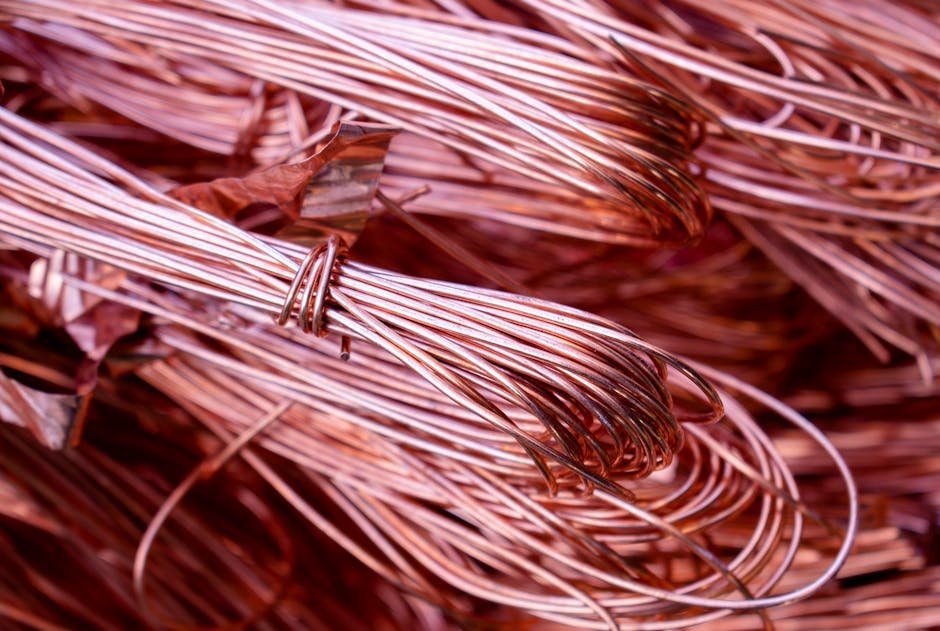

Understanding the copper price in uae per kg requires a deep dive into the global commodities market, as the United Arab Emirates serves as a critical nexus for the international scrap trade. Because the UAE Dirham is pegged to the US Dollar, local prices mirror the volatility of the London Metal Exchange (LME) almost perfectly, minus the local logistical and processing spreads. For traders, construction firms, and individual recyclers, staying updated on metal prices today is not just about checking a ticker; it is about understanding the underlying factors of supply chain logistics, purity assessments, and regional demand from heavy industries in Asia and Europe.
The Fundamental Drivers of the Copper Price in UAE Per Kg
The valuation of copper in the Emirates is primarily dictated by the LME “Cash Seller” price. However, the copper price per kg that a seller receives at a yard in Al Quoz or Sharjah Industrial Area will involve several deductions. These include the cost of smelting, refining, and the profit margin of the scrap yard. In the UAE, the market is highly efficient, meaning spreads are often tighter than in other regions due to the high volume of material moving through Jebel Ali Port. When you look at current scrap prices, you are seeing a reflection of global manufacturing health. If industrial output in China or India increases, the demand for UAE-exported scrap rises, pushing the local price per kg upward.
Another critical factor is the local construction cycle. The UAE is known for its massive infrastructure projects, which generate significant amounts of copper pipe and electrical copper wire scrap. During peak construction phases, the local supply might surge, occasionally causing a temporary decoupling from global prices if local processing facilities reach capacity. Conversely, during periods of high global demand and low local supply, the copper price in uae per kg can command a premium. To get the most accurate valuation, one must look at the Copper Price Per Kg UAE: Comprehensive Market Guide & Valuation which details these micro-economic shifts.
Categorizing Copper Grades: From Bare Bright to Number 2
Not all copper is created equal, and the price you are quoted will depend entirely on the grade of the material. The most coveted category is bare bright copper. This consists of uncoated, unalloyed wire that is at least 16 gauge in thickness. Because it is essentially pure copper, it requires the least amount of processing, allowing yards to offer a price very close to the spot market rate. If you are stripping copper wire from high-voltage cables, ensuring it remains clean and free of oxidation is the fastest way to secure the top-tier copper price in uae per kg.
Following bare bright is No. 1 copper, which includes clean copper pipe and tubing that is free of solder, paint, or brass fittings. If your scrap has some oxidation or light coatings, it falls into the number 2 copper category. While still valuable, No. 2 copper typically trades at a 5% to 10% discount compared to No. 1 because it must undergo a more intensive refining process to remove impurities. Understanding these distinctions is vital for anyone looking to Scrap Copper for profit. Mixing these grades is a common mistake that leads to the entire load being valued at the lowest grade present, significantly reducing your overall return.
The Impact of Global Logistics and UAE Export Policy
The UAE is a major re-export hub. A significant portion of the copper collected in the country is destined for smelters in India, Pakistan, or Southeast Asia. Therefore, the cost of shipping containers and the availability of vessel space directly influence metal prices today. If freight rates from Jebel Ali to Mundra or Shanghai spike, scrap yards in the UAE will lower their buying price to offset the increased export costs. This logistical overhead is a hidden variable that many sellers overlook when comparing the local price to the LME spot price.
Furthermore, the UAE government has implemented various regulations regarding the export of raw materials to encourage local value-added processing. These policies can influence the price per kg by incentivizing local sales over international exports. For those operating in this space, it is useful to compare these dynamics with other markets. For instance, looking at the 1 Kg Brass Price In Australia provides a benchmark for how different regulatory and logistical environments affect non-ferrous metal valuations. While copper remains the leader, the interplay between different metals often dictates the operational strategy of a scrap yard.
How to Maximize Your Returns When Selling Copper Scrap
To secure the best copper price per kg, preparation is key. The most successful sellers are those who treat their scrap as a commodity rather than waste. This means meticulously sorting your materials. For example, if you have a large quantity of insulated copper wire, it is often worth the labor to strip the insulation. While insulated wire has its own market price, the “recovered copper” value is always higher once the plastic weight is removed. However, you must calculate the labor cost versus the price jump to ensure it is economically viable.
Another tip is to monitor the market for volume-based incentives. Many yards in the UAE will offer a higher price per kg for loads exceeding 500kg or 1,000kg. If you have the storage space, it is often better to stockpile your copper pipe and wire until you reach a volume that allows for negotiation. For those wondering where to take their material, searching for Scrap Copper Near Me Where To Sell Copper Scrap For The Best Price can help identify the yards with the best reputation and most transparent weighing practices. Transparency in weighing is the most critical factor in the UAE market, as even a small discrepancy in a high-value metal like copper can lead to significant financial loss.
The Role of Technology and Sustainability in UAE Copper Trading
The UAE is rapidly moving toward a circular economy, and copper recycling is at the forefront of this transition. Advanced sorting technologies, such as X-ray fluorescence (XRF) analyzers, are becoming standard in major Dubai scrap yards. These devices allow for instant, precise verification of metal purity, ensuring that a seller of bare bright copper gets paid exactly what the material is worth without the guesswork. This technological shift has increased market efficiency and trust between sellers and buyers.
Sustainability also plays a role in pricing. Many global manufacturers now have “green copper” requirements, where they prefer recycled material over virgin ore to meet ESG (Environmental, Social, and Governance) targets. This has created a secondary premium for high-quality scrap. By participating in the scrap trade, UAE businesses are not just disposing of waste; they are providing a critical raw material that requires 85% less energy to process than mining new copper. This environmental benefit is increasingly being reflected in the current scrap prices as demand for sustainable supply chains grows globally.
Comparing the UAE Market to the Australian Scrap Landscape
For international traders, comparing the UAE market to the Australian market offers valuable insights. Australia, being a major producer of virgin copper, has a different scrap dynamic. In Australia, the domestic supply of scrap often competes with the primary mining industry, whereas the UAE is almost entirely dependent on the secondary (scrap) market for its copper exports. This makes the UAE market more sensitive to immediate global shifts in metal prices today.
In Australia, companies like Scrap Trade Australia provide a localized view of how these global trends manifest in a primary-producer economy. While the copper price in uae per kg is heavily influenced by its role as a transit hub, the Australian price is often influenced by domestic industrial demand and mining royalties. Understanding these differences helps global traders hedge their positions and choose the right market for their material based on current arbitrage opportunities. Whether you are dealing with number 2 copper in Sydney or Dubai, the core principles of purity and LME-tracking remain the same.
Future Outlook: What to Expect for Copper Prices
The long-term outlook for copper is exceptionally bullish, primarily driven by the global transition to electric vehicles (EVs) and renewable energy. An EV requires roughly four times as much copper as an internal combustion engine vehicle. As the UAE and the wider Middle East invest heavily in solar parks and EV infrastructure, the local demand for high-quality copper wire and busbars will likely increase. This structural shift suggests that while the price per kg will always have short-term volatility, the floor price for copper is likely to rise over the next decade.
Investors and scrap collectors should keep a close eye on the “electrification of everything.” This trend ensures that copper remains the “red gold” of the recycling industry. Whether you are holding copper pipe from a renovation or industrial bare bright copper, your assets are part of a critical global resource. Staying informed through authoritative guides and maintaining relationships with reputable scrap yards will ensure you are positioned to capitalize on the next market upswing. The copper price in uae per kg is more than just a number; it is a barometer for the future of global energy and infrastructure.
Conclusion: Navigating the UAE Copper Market with Confidence
Navigating the copper market in the UAE requires a blend of global market awareness and local operational knowledge. By understanding the different grades—from the premium bare bright copper to the more common number 2 copper—and keeping a close watch on the LME, sellers can ensure they are receiving a fair copper price per kg. The UAE’s unique position as a global trading hub offers both opportunities and challenges, from logistical shifts at Jebel Ali to the influence of regional industrial demand. To maximize your returns, focus on sorting, cleaning, and volume, and always partner with transparent, technologically advanced scrap yards. As the world moves toward a greener, more electrified future, the value of copper will only continue to grow, making it one of the most resilient and profitable materials in the recycling sector today.
Frequently Asked Questions
What is the difference between No. 1 and No. 2 copper in the UAE?
No. 1 copper consists of clean, unalloyed, and uncoated scrap like copper pipes or wires thicker than 1/16th of an inch, while No. 2 copper includes scrap with oxidation, solder, or light coatings. No. 1 copper commands a higher price per kg because it requires less refining than No. 2 copper.
How often do copper prices change in Dubai and Sharjah?
Copper prices in the UAE change daily, following the London Metal Exchange (LME) spot prices. Most reputable scrap yards update their buying rates every morning to reflect global market shifts and currency fluctuations.
Is it worth stripping insulated copper wire before selling it?
Generally, yes, stripping insulated copper wire is worth the effort if you have a significant volume, as bare bright copper fetches a much higher price than insulated wire. However, you must factor in the time and labor cost; for small amounts, selling it as-is might be more practical.
Why is the copper price in the UAE linked to the US Dollar?
The UAE Dirham is pegged to the US Dollar, and since copper is a globally traded commodity priced in USD on the LME, the local price in the UAE directly mirrors international trends without the added complexity of currency volatility found in other markets.