
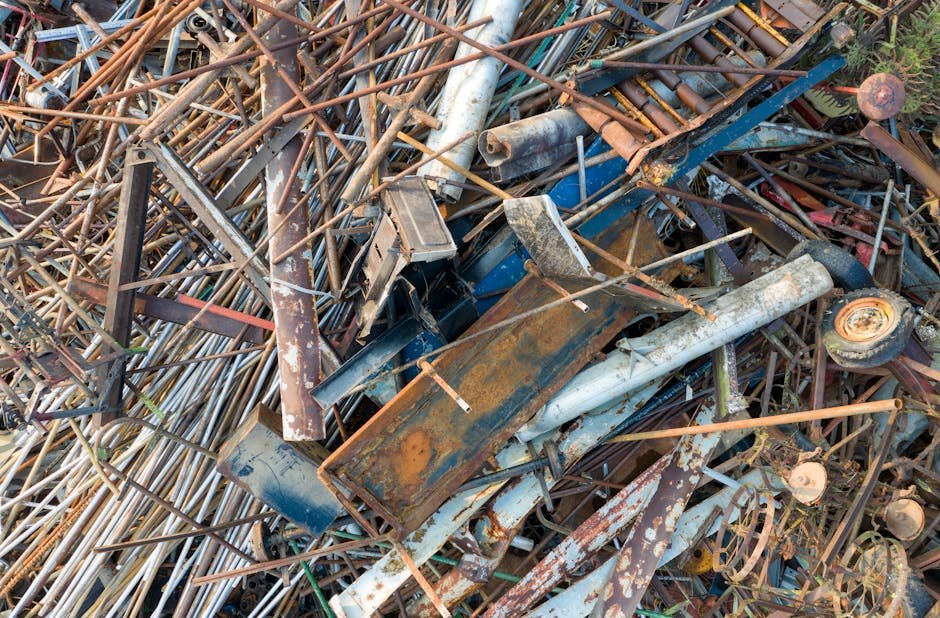

Navigating the landscape of scrap metal Dubbo requires a deep understanding of commodity markets, material identification, and local logistics. Whether you are a trade contractor, a demolition specialist, or a primary producer in the Orana region, the ability to effectively manage your metal waste stream is a critical component of operational profitability. As the regional hub for Western New South Wales, Dubbo serves as a vital artery for the collection and processing of industrial and domestic metallic waste. By engaging with professional recycling services, businesses can transform what was once a disposal cost into a reliable revenue stream. This Dubbo Scrap Metal Guide: Grades, Recycling & Prices 2024 provides the authoritative framework you need to navigate these complexities with confidence.
Understanding Metal Grades: The Foundation of Value
The first step in any successful recycling operation is the accurate identification and segregation of material grades. Metals are broadly categorized into two primary groups: ferrous and non-ferrous. Ferrous metals, which contain iron, are generally magnetic and include steel, cast iron, and wrought iron. While these are abundant, their value is lower per kilogram compared to non-ferrous metals. Non-ferrous metals, such as copper, aluminum, brass, and lead, are non-magnetic and highly sought after due to their infinite recyclability and high market value. When you look at current Scrap Metal Prices, you will notice that non-ferrous metals like bright shiny copper or high-grade aluminum command a premium. Proper segregation is the single most effective way to increase your payout. Mixing grades—such as tossing brass fittings into a bin of steel—will almost always result in the entire load being downgraded to the lowest common denominator price. To ensure you receive the best return, establish a dedicated sorting area on your site. Use bins labeled for specific grades: Copper (Bright, Burnt, or Insulated), Aluminum (Extruded, Cast, or Sheet), Brass, and Stainless Steel. By treating your scrap as a refined product rather than waste, you align your operations with the standards required by professional facilities like Crg Scrap Metal.
The Recycling Process: From Site to Smelter
The journey of a piece of scrap metal from a Dubbo construction site to a finished product is a sophisticated logistical operation. Once collected, the metal is transported to a processing facility where it undergoes rigorous testing. Advanced technology, such as X-ray fluorescence (XRF) analyzers, allows operators to determine the exact chemical composition of a metal alloy within seconds. This level of precision is essential for maintaining the integrity of the recycling loop. After identification, the material is processed through heavy-duty shearing, shredding, or baling equipment. Shredding is particularly important for ferrous metals, as it breaks down complex assemblies like vehicles or appliances into smaller, manageable pieces, allowing for the magnetic separation of steel from contaminants like plastic, rubber, and glass. Once cleaned and baled, the scrap is shipped to domestic or international smelters. These smelters melt the scrap down, casting it into ingots or billets that serve as the raw material for new manufacturing. This circular economy model is the cornerstone of modern industrial sustainability. For those searching for a reliable Metal Scrap Yard Near Me, choosing a facility that utilizes modern processing equipment ensures that your material is being handled efficiently and ethically. You can learn more about these processes through industry leaders at Scrap Trade or by visiting Scrap Trade Australia to view regional recycling standards.
Environmental Benefits and Sustainability
The environmental case for recycling scrap metal in Dubbo is overwhelming. Mining virgin ore is an energy-intensive process that involves significant land disturbance, water usage, and carbon emissions. In contrast, recycling aluminum, for instance, requires approximately 95% less energy than producing it from bauxite ore. Similarly, recycling steel saves about 75% of the energy required for virgin production. By choosing to recycle, you are directly contributing to the reduction of global greenhouse gas emissions and the preservation of natural resources. Beyond the carbon footprint, recycling keeps hazardous materials out of local landfills. Metals that end up in landfills can leach heavy metals into the soil and groundwater, posing long-term risks to the local ecosystem. By diverting these materials into a professional recycling stream, you are protecting the natural beauty and agricultural health of the Orana region. Furthermore, the demand for recycled metal is growing as manufacturers strive to meet corporate social responsibility (CSR) targets and reduce their reliance on virgin materials. This shift in market demand is creating a more stable and lucrative environment for scrap metal providers.
Logistics and Site Management in Dubbo
Effective scrap management is as much about logistics as it is about the metal itself. For large-scale projects in Dubbo, the cost of transport can quickly erode profits if not managed correctly. Many professional recyclers offer bin services and scheduled pickups, which can significantly reduce the overheads associated with moving heavy materials. When planning your site layout, consider the flow of scrap generation. Place collection points as close to the source of waste as possible to prevent cross-contamination and reduce labor time spent moving materials. If you are handling large volumes, consider investing in a bailer or a hydraulic shear to consolidate materials on-site. This reduces the number of truck movements required, saving you money and reducing your site’s carbon footprint. Always maintain clear documentation of your scrap loads, including weight tickets and grade reports. This data is invaluable for tracking your waste management performance and identifying areas where you can improve your recycling efficiency. If your business produces consistent streams of scrap, negotiate a long-term contract with a local yard to secure stable pricing and priority service. This proactive approach turns your scrap management from a reactive chore into a strategic asset.
Market Trends and Future Outlook
The global demand for scrap metal is intrinsically linked to the health of the construction and automotive industries. As infrastructure projects continue to expand across New South Wales, the demand for recycled steel and copper remains robust. However, the market is also influenced by global trade policies and commodity price volatility. Staying informed about these trends is essential for maximizing your returns. For example, the increasing transition toward electric vehicles (EVs) is driving a surge in the demand for recycled copper and aluminum, as these metals are critical components in EV batteries and motor assemblies. Similarly, the push for green building certifications is incentivizing developers to use recycled structural steel. By understanding these broader market drivers, you can time your sales to coincide with periods of high demand. Keep a close eye on the Scrap Metal Prices to understand when to hold your stock and when to move it. The future of the industry is clearly moving toward greater transparency and traceability, with digital platforms playing an increasingly important role in connecting producers with processors. Embracing these technologies will position your business to take full advantage of the evolving scrap metal landscape in Dubbo.
Best Practices for Safety and Compliance
Safety is the non-negotiable priority in any scrap metal operation. Handling heavy, sharp, and potentially hazardous materials requires strict adherence to workplace health and safety (WHS) protocols. Always ensure that your team is equipped with appropriate personal protective equipment (PPE), including cut-resistant gloves, steel-capped boots, and high-visibility clothing. When dealing with specialized scrap, such as pressurized cylinders, lead-acid batteries, or electronic waste, follow specific handling instructions to prevent accidents and environmental contamination. Compliance with local environmental regulations is equally important. Ensure that your chosen recycling partner is licensed and operates in accordance with EPA standards. Illegal dumping or improper disposal of scrap can lead to severe fines and reputational damage. By partnering with reputable recyclers, you ensure that your waste is processed in a compliant and environmentally responsible manner. Regular training for your staff on correct segregation techniques and safety procedures will not only prevent injuries but also improve the quality of your scrap loads, leading to higher payouts at the yard. Remember, a clean, organized, and safe site is a productive one.
Maximizing Your Returns: A Strategic Approach
To truly maximize the value of your scrap metal Dubbo operations, you must move beyond simply dropping off whatever you have. Develop a strategy that prioritizes high-value metals. For instance, if you are a demolition contractor, prioritize the extraction of copper wiring, brass valves, and aluminum frames before the heavy steel demolition begins. These high-value items often represent a small percentage of the total weight but can account for a significant portion of the total revenue. Build a relationship with your local yard manager. They are a wealth of information regarding current market trends and can provide tips on how to better prepare your scrap for processing. Ask them what they need, what they are currently paying a premium for, and how you can make their job easier. When you provide clean, well-sorted material, you become a preferred supplier, which can lead to better pricing and more reliable service. Finally, keep track of your scrap sales data over time. By analyzing your revenue streams, you can identify which projects or operations are generating the most valuable scrap and adjust your processes accordingly. This level of professional oversight is what separates successful businesses from those that treat scrap as an afterthought. Use the Dubbo Scrap Metal Guide: Grades, Recycling & Prices 2024 as your reference point for continuous improvement. By integrating these practices into your daily operations, you ensure that your business remains competitive, sustainable, and profitable in the long term. The scrap metal industry is a vital part of the Australian economy, and by participating in it effectively, you contribute to a more efficient and environmentally friendly future for Dubbo and beyond.
Related: Dubbo Scrap Metal Guide: Grades, Recycling & Prices 2024
Frequently Asked Questions
What is the difference between ferrous and non-ferrous scrap metal?
Ferrous metals contain iron and are magnetic, such as steel and iron, generally commanding lower prices. Non-ferrous metals do not contain iron, are non-magnetic, and include high-value materials like copper, aluminum, and brass.
How can I get the best price for my scrap metal in Dubbo?
To maximize returns, always segregate your metals by grade and ensure they are free from contaminants like plastic, rubber, or dirt. Building a relationship with a reputable local yard and monitoring market trends will also help you time your sales for peak pricing.
Why is it important to recycle metal instead of sending it to a landfill?
Recycling metal significantly reduces the energy required to produce new products compared to extracting virgin ore, while also lowering greenhouse gas emissions. It also prevents heavy metals from leaching into the soil, protecting the local environment.
What should I look for when choosing a scrap metal recycler?
Look for a facility that is fully licensed, adheres to EPA environmental standards, and uses accurate, calibrated weighing equipment. A good recycler will provide transparent pricing, professional service, and efficient logistics options for your business.