
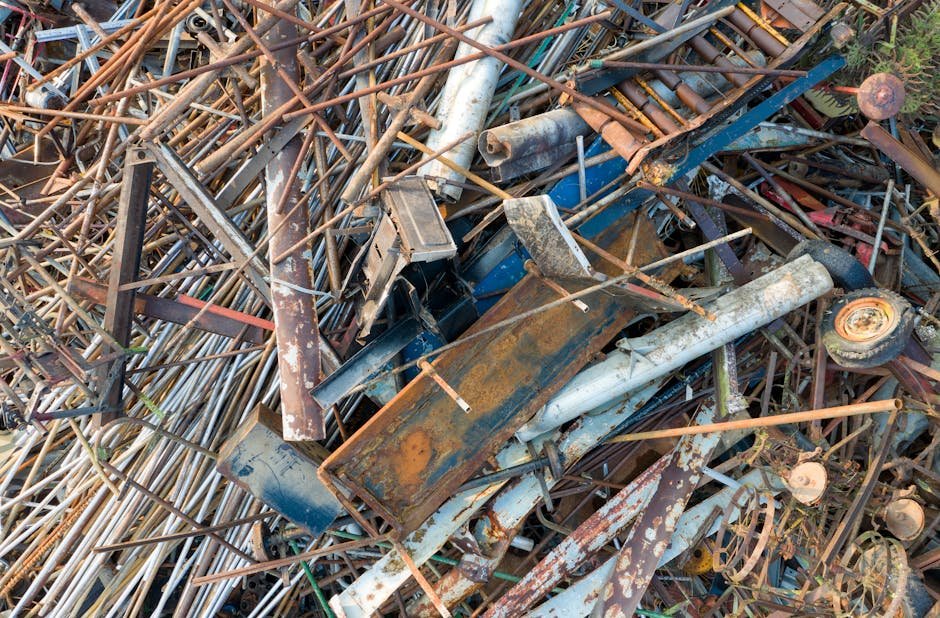

If you are asking yourself, where do i sell scrap metal, you are likely sitting on a valuable resource that can be converted into immediate cash. In the Australian market, the scrap metal industry is a sophisticated ecosystem that rewards those who understand metal grades, market fluctuations, and the logistical requirements of professional yards. Whether you are a tradesperson clearing a site, a homeowner with excess copper piping, or a business manager looking to dispose of industrial offcuts, navigating the process correctly is the difference between a small handful of change and a significant financial return. For those looking to Sell Scrap Metal Near Me In 2026, the landscape has shifted toward digital transparency, making it easier than ever to verify yard legitimacy and current commodity rates. Understanding the foundational principles of Sell Scrap operations is essential for anyone aiming to maximize their revenue.
Understanding Metal Grades and Value
The first step in the scrap metal process is accurate identification. Scrap yards operate on a strict grading system based on purity, alloy composition, and contamination levels. Copper is the gold standard of the scrap world, typically divided into Bright and Shiny (Grade 1), Burnt, and Mixed. Understanding these distinctions is critical because a minor amount of insulation or solder can downgrade your material from high-value copper to a lower-tier plumbing grade, costing you money. Aluminum is similarly graded, with cast aluminum, clean extrusion, and painted siding fetching different prices. Ferrous metals, such as steel and iron, are generally sold in bulk. To get the Scrap Metal Prices you deserve, you must separate your metals before arriving at the yard. Mixing copper with steel or leaving brass fittings on aluminum components creates ‘contaminated’ loads, which yards will either reject or purchase at a significantly reduced rate. Professional traders use magnets to identify ferrous metals and visual inspection for non-ferrous, but for specific alloys like stainless steel or lead, professional testing kits are often required. Always aim for ‘clean’ scrap, which means free of plastic, wood, rubber, or other non-metallic debris.
Where Do I Sell Scrap Metal: Choosing the Right Yard
When determining where do i sell scrap metal, location is only one factor. You must prioritize yards that are licensed, transparent, and equipped with calibrated, certified weighbridges. A reputable scrap metal recycling specialist will provide a clear receipt detailing the weight, grade, and current price per kilogram for every item you bring in. Avoid yards that operate in cash-only environments without documentation, as these are often unregulated and may not provide fair market value. Look for facilities that utilize digital scales visible to the customer, ensuring you can verify the weight of your load in real-time. Furthermore, assess the yard’s logistics; some yards specialize in high-volume industrial pickups, while others are better suited for smaller, residential loads. By researching local yards through industry portals, you can compare their service levels and reputations. Remember, the best price is not always the highest advertised rate if the yard is located three hours away or requires you to pay for heavy-duty transport. Calculate the net profit after factoring in fuel and time to ensure your scrap trip is economically viable.
Preparing Your Scrap for Maximum Profit
Maximizing returns requires preparation. The most common mistake beginners make is bringing in ‘dirty’ scrap. Cleaning your metal—removing plastic insulation from copper wire, taking the steel screws out of aluminum frames, and separating brass from copper—can increase your payout by 20% to 50%. Most yards have a ‘deduction’ policy for contamination; if your load is 10% plastic, they will often deduct 10% from the weight of the entire load. Invest in basic tools like a wire stripper, a hacksaw, and a drill to dismantle complex items. If you are dealing with large quantities, consider the cost of labor versus the increase in scrap value. For industrial scrap, such as factory offcuts or demolition waste, keep materials segregated at the source. Using color-coded bins or designated zones prevents cross-contamination, which is the primary enemy of high-value scrap. When you finally arrive at the yard, be prepared to present identification. Under Australian law, many states require scrap dealers to record the details of sellers to prevent the trade of stolen goods. Having your driver’s license and, if applicable, your business ABN ready will streamline the transaction and build trust with the yard manager.
The Environmental and Economic Impact of Recycling
Selling scrap metal is more than just a financial transaction; it is a vital component of the circular economy. Recycling metal requires significantly less energy than mining and refining virgin ore. For example, recycling aluminum saves approximately 95% of the energy required to produce the same amount of aluminum from bauxite ore. By choosing to recycle, you are actively reducing the carbon footprint of the manufacturing sector. Furthermore, the scrap industry provides essential raw materials to Australian foundries, supporting domestic production and reducing reliance on expensive imports. When you ask where do i sell scrap metal, you are effectively participating in a global supply chain that keeps valuable resources out of landfills. Modern recycling facilities are now equipped with advanced sensor-based sorting technologies, including X-ray fluorescence (XRF) and eddy current separators, which allow them to recover even the smallest fragments of non-ferrous metals from complex waste streams. This technological advancement means that almost every piece of metal you bring to a yard has the potential to be reborn as a new product, from construction beams to consumer electronics. By supporting professional recycling, you ensure that these materials are processed according to strict environmental standards, preventing hazardous substances like lead or mercury from entering the ecosystem.
Navigating Market Trends and Price Volatility
Scrap metal markets are inherently volatile, influenced by global demand, currency exchange rates, and geopolitical stability. Copper, for instance, is often referred to as ‘Dr. Copper’ because its price is considered a leading indicator of global economic health. When the economy is booming, demand for copper in construction and electronics drives prices up. Conversely, during downturns, prices may soften. To secure the best price, keep an eye on the London Metal Exchange (LME) or local industry reports. While you cannot control global market forces, you can time your sales to avoid selling during a temporary price dip. If you have the storage space, stockpile your non-ferrous scrap during periods of low prices and sell when the market recovers. However, be mindful of safe storage practices; keep metals dry to prevent oxidation, which can diminish the value of certain grades. Building a relationship with a local dealer can also provide you with insider insights. A good scrap dealer wants your repeat business and may offer you ‘preferred’ pricing if you are a consistent, reliable supplier who delivers clean, well-sorted material. Always ask your dealer about their current buy-back rates and whether they offer volume bonuses for larger loads.
Logistics and Safety Protocols for Scrap Handling
Safety is paramount when handling scrap metal. Sharp edges, heavy loads, and industrial machinery pose significant risks. Always wear heavy-duty gloves, steel-capped boots, and high-visibility clothing when handling scrap. If you are transporting large quantities, ensure your vehicle is rated for the weight and that the load is properly secured with tie-downs. Many accidents occur during the loading and unloading process, so never attempt to lift heavy items alone. If you are dealing with large-scale industrial waste, consider hiring a skip bin service that specializes in scrap recovery. These services often provide free or discounted bin hire if you agree to sell the scrap back to them. Furthermore, be aware of hazardous materials. Items like old fire extinguishers, pressurized canisters, or sealed containers can be explosive if crushed in a baler. Always check that tanks are empty and vented before bringing them to the yard. By operating safely and professionally, you not only protect yourself but also ensure that the recycling process remains efficient and hazard-free for the yard staff. A professional approach to logistics will save you time and money, making the entire process of selling scrap a profitable and sustainable endeavor for your business or personal projects.
Frequently Asked Questions
What documents do I need to sell scrap metal in Australia?
You will typically need a valid government-issued photo ID, such as a driver’s license or passport. If you are selling on behalf of a business, you may also need your ABN and potentially a letter of authority.
How can I tell if my metal is ferrous or non-ferrous?
The easiest test is to use a magnet. If the magnet sticks to the metal, it is ferrous (iron or steel); if it does not stick, it is non-ferrous (such as copper, aluminum, brass, or lead).
Does cleaning my scrap metal really make a difference in price?
Yes, absolutely. Removing contaminants like plastic, wood, or steel screws increases the purity of your load, which allows the yard to pay you the highest grade rate rather than a lower ‘mixed’ or ‘dirty’ price.
Are scrap metal prices the same at every yard?
No, prices fluctuate daily based on global markets and individual yard overheads. It is always recommended to check current local rates or call ahead to your preferred yard to confirm their buying price for the day.