
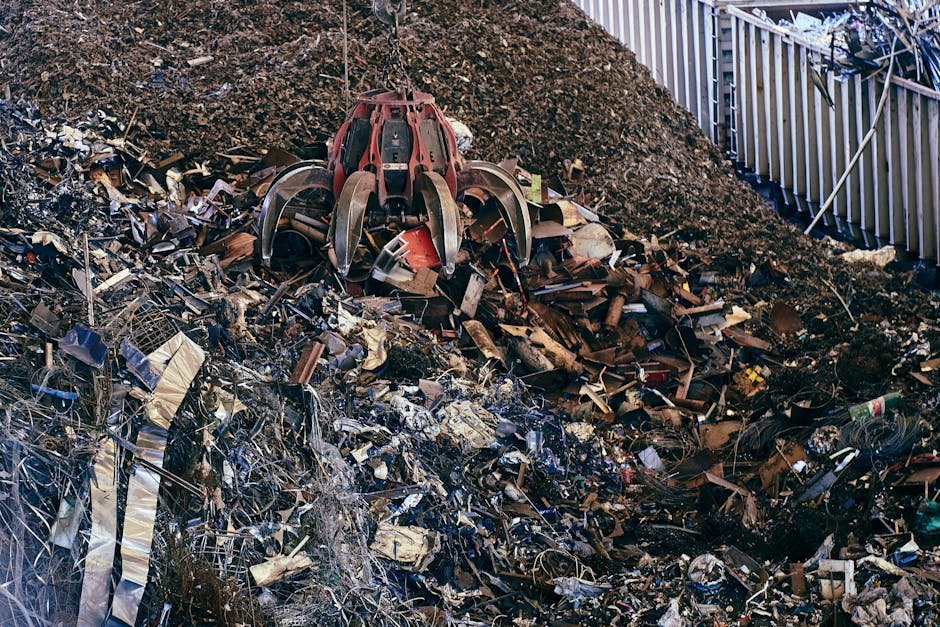

Navigating the landscape of scrap dealers in Sharjah requires a deep understanding of the local market dynamics, international metal grades, and the logistical infrastructure that supports the UAE’s industrial sector. As a pivotal hub for metal recycling, Sharjah connects local industrial output with global demand, ensuring that ferrous and non-ferrous materials are diverted from landfills and reintegrated into the production cycle. Whether you are a construction firm clearing a site or a manufacturing plant managing production offcuts, identifying the right partner is essential for maximizing recovery value and ensuring environmental compliance. This guide serves as your authoritative resource for understanding the complexities of the scrap trade, mirroring the high standards maintained by our Scrap Trade Organisation. By leveraging a B2b Scrap Trading Platform, businesses can bypass traditional inefficiencies and secure transparent pricing for their scrap assets.
Understanding Metal Grades and Classification
The profitability of your scrap business hinges on your ability to accurately grade materials. Scrap dealers in Sharjah operate according to international standards, primarily the ISRI (Institute of Scrap Recycling Industries) specifications. Ferrous metals, such as iron and steel, are categorized by their density, chemical composition, and physical form. For instance, HMS 1 and 2 (Heavy Melting Steel) are the industry benchmarks, representing structural steel and heavy plate that must be free of non-metallic contaminants. Non-ferrous metals, including copper, aluminium, and brass, command higher premiums but require more rigorous sorting. When dealing with aluminium, it is vital to distinguish between casting, extrusions, and sheets, as contamination from other alloys can render a batch worthless. For those focused on the Australian market, understanding Aluminium Scrap Dealers in Australia: Grades, Recycling & protocols provides a useful comparative baseline for international standards. Proper identification prevents downgrading at the weighbridge and ensures that you receive the maximum market rate for your high-grade materials.
The Mechanics of the Recycling Process
Recycling is not merely about collection; it is a sophisticated industrial process that transforms waste into high-purity raw materials. Upon arrival at a facility, scrap undergoes a multi-stage process: inspection, mechanical shearing, shredding, and magnetic separation. For non-ferrous metals, advanced technologies like X-ray fluorescence (XRF) analyzers are used to identify precise alloy compositions. This technical rigor ensures that the output meets the stringent requirements of secondary smelters. In the UAE, the integration of automated sorting lines has significantly increased the recovery rate of valuable metals from mixed demolition waste. This technological evolution mirrors the professional standards seen at Scrap Trade Australia, where efficiency and purity are the primary drivers of profit. By understanding these mechanical processes, suppliers can better prepare their scrap—such as removing plastics, rubber, or hazardous fluids—to reduce processing costs and increase the final payout.
Environmental Benefits and Sustainability
The environmental impact of recycling metal is profound. Recycling aluminium, for example, consumes 95% less energy than producing it from virgin bauxite ore. By diverting scrap from landfills, Sharjah’s recycling sector significantly reduces the carbon footprint associated with mining and refining. Furthermore, the reduction in landfill usage prevents soil and groundwater contamination, preserving the local ecosystem. As global regulations tighten, companies that demonstrate a commitment to sustainable waste management are gaining a competitive advantage. Partnering with reputable dealers who prioritize ethical recycling practices is a core pillar of corporate social responsibility. Through the expert resources at Scrap Trade, businesses can learn how to audit their waste streams and ensure their scrap is handled according to international environmental benchmarks. This commitment to sustainability is not just good for the planet; it is a fundamental requirement for modern supply chain management.
Logistics and Market Dynamics in Sharjah
Sharjah serves as a strategic node in the global scrap trade, benefiting from proximity to major ports and industrial zones. The logistics of moving scrap involve specialized transport, containerization, and strict adherence to customs regulations regarding the export of secondary materials. Dealers must navigate complex shipping schedules and fluctuating commodity prices driven by global demand in markets like China, India, and Turkey. For businesses looking to scale, utilizing a digital platform like Scrap Trade Australia can provide the market intelligence necessary to time sales effectively. The market is highly sensitive to shifts in manufacturing output and construction activity; therefore, maintaining relationships with dealers who have direct access to end-users (smelters) is critical. These dealers are better positioned to offer competitive pricing because they eliminate middle-man markups. Understanding the flow of goods from the source to the final mill is essential for any professional involved in the scrap industry.
Best Practices for Scrap Suppliers
To maximize returns, suppliers must adopt a proactive approach to scrap management. First, implement a source-segregation policy at your site. Mixing high-grade copper with low-grade steel drastically reduces the value of the entire load. Second, maintain clean storage areas to prevent oxidation and contamination from dirt or oil. Third, keep accurate records of your scrap output, including weight, grade, and date of collection. This data is invaluable when negotiating long-term contracts with dealers. Fourth, stay informed about daily LME (London Metal Exchange) prices to ensure your sell price is aligned with current market conditions. Finally, vet your scrap dealers in Sharjah for their licensing, safety record, and financial stability. A reliable partner will provide transparent weighing certificates and prompt payment, ensuring the longevity of your business relationship. By treating scrap as a revenue stream rather than a waste management cost, you can significantly improve your bottom line.
Future Trends in Global Metal Recycling
The future of the scrap industry lies in digitalization and advanced material recovery. We are seeing a shift toward smart contracts and blockchain-based traceability, which provide proof of origin for recycled materials—an increasing requirement for European and North American manufacturers. Furthermore, the development of robotic sorting systems is set to revolutionize how mixed scrap is handled, allowing for higher recovery rates of rare earth elements and complex alloys. As the UAE continues to invest in industrial infrastructure, the scrap sector will play an even larger role in the transition to a circular economy. Businesses that adopt these technological advancements today will lead the market tomorrow. Whether you are operating in the Middle East or looking at the broader landscape of Scrap Trade Australia, the convergence of technology and sustainability is the defining theme of the decade. By staying ahead of these trends, you ensure that your business remains resilient against market volatility and regulatory changes.
Frequently Asked Questions
How do I determine the grade of my scrap metal?
Scrap metal is graded based on ISRI standards, which categorize metals by purity, physical form, and chemical composition. You can identify grades by using magnetic tests for ferrous metals or XRF analyzers for non-ferrous alloys to ensure they are free from contaminants.
Why is source segregation important for scrap value?
Source segregation prevents high-value metals from being contaminated by lower-grade materials or debris. By keeping copper, aluminium, and steel in separate, clean containers, you ensure that dealers can offer the highest possible market price for each specific grade.
What are the primary environmental benefits of metal recycling?
Recycling metal significantly reduces the energy required for production, such as the 95% energy savings seen in aluminium recycling compared to primary production. It also reduces mining activity, lowers greenhouse gas emissions, and prevents hazardous waste from entering landfills.
How can I find a reliable scrap dealer in Sharjah?
Look for dealers who are fully licensed, provide transparent weighing records, and have established relationships with international end-user smelters. Checking their ability to handle large-scale logistics and their commitment to environmental compliance is also essential for a long-term partnership.