
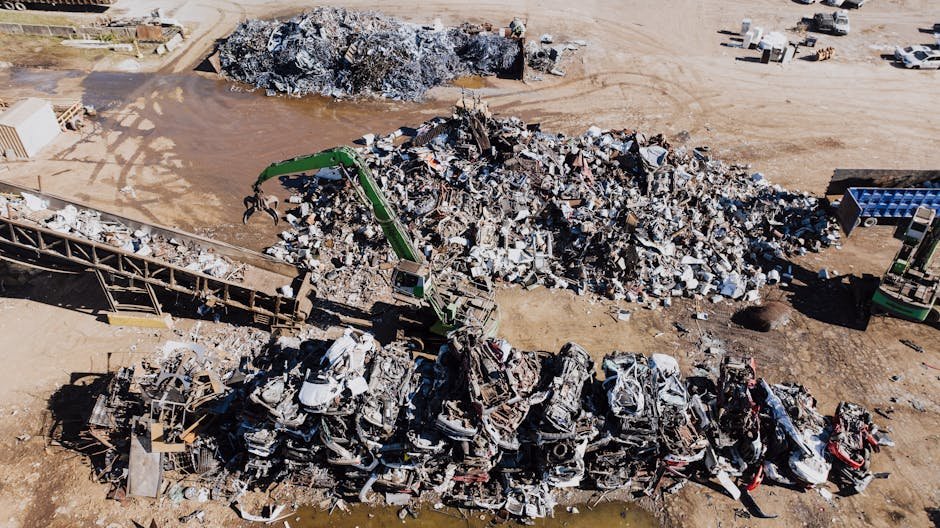

Navigating the landscape of industrial waste management requires a reliable partner, and the greenhills scrap yard stands as a cornerstone for those looking to dispose of or trade metal materials responsibly. Whether you are a tradesperson clearing a job site or a homeowner cleaning out a garage, understanding how a professional metal recycler operates is the first step toward turning waste into value. As the demand for raw materials increases globally, the role of local facilities in the circular economy becomes increasingly vital. By choosing a reputable facility, you ensure that your materials are processed according to Australian environmental standards, preventing hazardous waste from entering landfills and reducing the energy-intensive demand for virgin ore extraction.
Understanding Metal Grades: Ferrous vs. Non-Ferrous
To maximize your returns when visiting a recycling depot, it is essential to distinguish between the two primary categories of scrap: ferrous and non-ferrous metals. Ferrous metals, such as iron and steel, contain iron and are magnetic. They are the most commonly recycled materials due to their widespread use in construction, automotive manufacturing, and infrastructure. Common examples include structural beams, rebar, pipes, and old appliances. Because these materials are abundant, they are typically traded in bulk.
Non-ferrous metals, on the other hand, do not contain iron and are generally more valuable due to their unique properties, such as resistance to corrosion and high conductivity. This category includes copper, aluminium, brass, lead, and stainless steel. Copper, in particular, is highly sought after for its use in electrical wiring and plumbing. When you bring these materials to a greenhills scrap yard, the team will perform a series of tests, including magnetic checks and visual inspections, to ensure accurate grading. Proper sorting at the source can significantly increase the payout you receive, as mixed loads often require additional labor for separation.
For those searching for a Metal Scrap Yard Near Me, it is important to note that different facilities may specialize in specific grades. For instance, some yards focus heavily on heavy industrial steel, while others are better equipped to handle high-volume non-ferrous electronics or cable stripping. Understanding what your local yard accepts will save you time and ensure you are compensated fairly for the specific quality of the material you are providing.
The Lifecycle of Metal: How Recycling Works
The journey from a discarded item to a raw manufacturing material is a sophisticated process that occurs within a modern recycling depot. Once you arrive at the site, your scrap is weighed on certified scales to determine the exact volume and grade. From there, the material is sorted, cleaned, and processed to remove contaminants like plastics, rubber, or non-metallic debris. This initial preparation is critical; high-purity scrap is far more valuable to smelters and foundries than contaminated loads.
After sorting, the metals are often shredded or sheared into smaller, uniform pieces to facilitate easier handling and melting. Large-scale hydraulic shears and industrial shredders are standard equipment at facilities like the Crg Scrap Yard. Once processed, the metal is compressed into dense bales or loaded into containers for transport to refineries. At the refinery, the metal is melted down, purified, and cast into ingots or billets, which are then sold back to manufacturers to create everything from new car parts to beverage cans. This infinite recyclability is what makes metal one of the most sustainable materials on the planet.
For those interested in the broader industry, you can explore detailed market insights and trends by visiting our scrap trading platform. We provide comprehensive data that helps both buyers and sellers navigate the volatile commodities market, ensuring that you always have access to the latest scrap yard near me prices. By staying informed, you can time your sales to align with market peaks, maximizing the financial return on your scrap metal assets.
Environmental Benefits and Sustainability
The environmental impact of metal recycling cannot be overstated. When we recycle steel, for example, we reduce the need for iron ore mining, which is a destructive process that requires massive amounts of land clearing and water usage. Recycling aluminium is even more impactful; it requires approximately 95% less energy to produce new aluminium from recycled stock than it does to extract it from bauxite ore. This massive energy saving directly translates to a significant reduction in greenhouse gas emissions.
Furthermore, the greenhills scrap yard serves as a critical barrier against environmental pollution. Old appliances, white goods, and industrial machinery often contain hazardous components like refrigerants, oils, or heavy metals that can leach into the soil and groundwater if left to decay in a landfill. By diverting these items into a formal recycling stream, we ensure that hazardous substances are captured and disposed of safely, while the valuable metallic components are given a second life. This is the essence of the circular economy: keeping materials in use for as long as possible and minimizing the extraction of finite natural resources.
If you are looking for alternative locations or comparing services, you might also consider the greenfield scrap yard, which operates with similar commitments to environmental stewardship. Choosing a certified recycler is not just a financial decision; it is an ethical one that supports a cleaner, more sustainable future for Australia. For more information on industry standards, visit our dedicated Australian portal to learn how to manage your scrap responsibly.
Practical Tips for a Successful Visit
To ensure a smooth and profitable experience, preparation is key. First, always sort your scrap before you arrive. If you bring a mixed load, the yard staff will have to spend time separating it, which may result in a lower overall price or a processing fee. Separate your copper from your aluminium, and keep your ferrous steel away from your non-ferrous items. It is also helpful to remove non-metal attachments like wood, plastic, or concrete, as these are considered “dirt” or “contaminants” and will reduce the weight of the metal you are paid for.
Second, be aware of the walk-in policies of the facility. While many yards welcome individual sellers, some may require an appointment for large industrial loads or specific types of hazardous materials. Check the website or call ahead to verify their current opening hours and any specific requirements for identification or documentation, especially if you are selling high-value metals like copper or lead, which may be subject to anti-theft legislation. Providing a valid driver’s license is standard practice across the industry to ensure transparency and security.
Finally, utilize the resources available to help you understand market fluctuations. If you are looking for a highly reputable partner, consider exploring Zores Scrap Yard Your Trusted Destination For Scrap Metal, which offers excellent customer support for those new to the scrap trade. Whether you are a professional contractor or a hobbyist, building a relationship with your local yard will provide you with consistent service and better insights into the best times to sell your materials.
The Economic Value of Scrap Metal
The scrap metal industry is a multi-billion dollar sector that drives economic growth and provides essential raw materials to the manufacturing industry. When you buy and sell metal, you are participating in a global commodity market that reacts to supply and demand, geopolitical shifts, and construction activity. For instance, a surge in housing development typically leads to higher demand for steel and copper, which in turn drives up the price for scrap. Conversely, a slowdown in manufacturing can lead to price softening.
By understanding these economic drivers, you can better manage your own scrap accumulation. Some savvy recyclers choose to hold onto their non-ferrous materials when prices are low and sell when the market recovers. However, for most, the primary goal is a quick and efficient disposal. Regardless of your strategy, the value of your scrap is determined by its purity and the current market rate for that specific alloy. Always ask the yard staff about their current pricing structure, as they are usually happy to explain how they grade materials and what factors influence the final payout.
Furthermore, the industry is increasingly adopting technology to improve transparency. Digital scales, automated sorting machines, and real-time pricing updates are becoming standard at top-tier facilities. This technological integration ensures that the weight and grade of your material are recorded accurately, providing peace of mind to the customer. When you visit a modern facility, you are not just dropping off trash; you are engaging in a sophisticated trade that supports the backbone of the Australian economy.
Safety and Compliance in Recycling
Safety is the top priority at any reputable scrap yard. Scrap metal can be heavy, sharp, and potentially hazardous. When visiting, always wear appropriate personal protective equipment (PPE), such as sturdy boots, gloves, and high-visibility clothing. Follow all signage and instructions provided by the yard staff, especially when operating near heavy machinery or in high-traffic areas. Never climb on piles of scrap, as these can be unstable and pose a significant risk of injury.
Compliance is equally important. All professional metal recycler facilities must adhere to strict environmental and safety regulations set by local and state authorities. This includes the proper handling of hazardous materials, such as lead-acid batteries, which require specific storage and disposal protocols to prevent acid leaks and heavy metal contamination. By choosing a facility that strictly follows these regulations, you are contributing to a safer community and helping to prevent illegal dumping, which remains a significant issue in some areas.
Ultimately, the goal of the scrap metal industry is to provide a safe, efficient, and environmentally responsible service to the public. By adhering to these guidelines and working with established businesses, you ensure that your contribution to the recycling loop is both profitable and sustainable. As we move toward a more circular economy, the importance of these local facilities will only continue to grow, making your participation in the process more valuable than ever.
Future Trends in Metal Recycling
The future of metal recycling is bright, with innovations in robotics and AI-driven sorting set to revolutionize the industry. Advanced sensors, such as X-ray fluorescence (XRF) and laser-induced breakdown spectroscopy (LIBS), are now being used to identify and sort metal alloys with incredible precision. These technologies allow recyclers to extract higher-grade materials from scrap, which in turn reduces the need for energy-intensive refining processes. As these technologies become more affordable, even smaller yards will be able to offer more accurate grading and better prices.
Another significant trend is the focus on “design for recycling.” Manufacturers are increasingly considering how their products will be dismantled and recycled at the end of their life cycle. This shift is particularly evident in the automotive and electronics industries, where modular designs make it easier to separate valuable components from waste. As these practices become the standard, the volume of high-quality scrap entering the market will increase, further driving the efficiency and profitability of the recycling sector.
In conclusion, whether you are a seasoned industry professional or a first-time visitor, the greenhills scrap yard offers a vital service that benefits both your wallet and the planet. By staying informed about metal grades, understanding the recycling process, and following best practices for safety and compliance, you can make the most of your scrap metal assets. We encourage you to explore the links provided throughout this guide to deepen your knowledge and find the best partners for your specific needs. Together, we can build a more sustainable future, one piece of scrap at a time.
Frequently Asked Questions
What items are typically accepted at a scrap yard?
Most scrap yards accept a wide range of ferrous and non-ferrous metals, including copper wire, aluminium cans, steel beams, brass fittings, lead, and old household appliances. It is always best to call ahead if you have large industrial items or specialized materials.
How can I get the best price for my scrap metal?
To get the best price, sort your metals by type and grade before arriving. Removing non-metallic contaminants like plastic, wood, or rubber will also ensure you receive the maximum payout for the weight of the metal.
Do I need an appointment to visit the scrap yard?
Many facilities offer walk-in services for residential and small commercial customers. However, if you are bringing in a large volume of material or specialized industrial scrap, it is recommended to contact the yard beforehand to ensure they have the capacity to process your load.
Why is it important to use a professional recycling depot?
Professional depots ensure that materials are processed according to environmental regulations, preventing hazardous substances from entering the ecosystem. They also use certified scales and transparent grading processes to ensure you are paid fairly for your materials.