
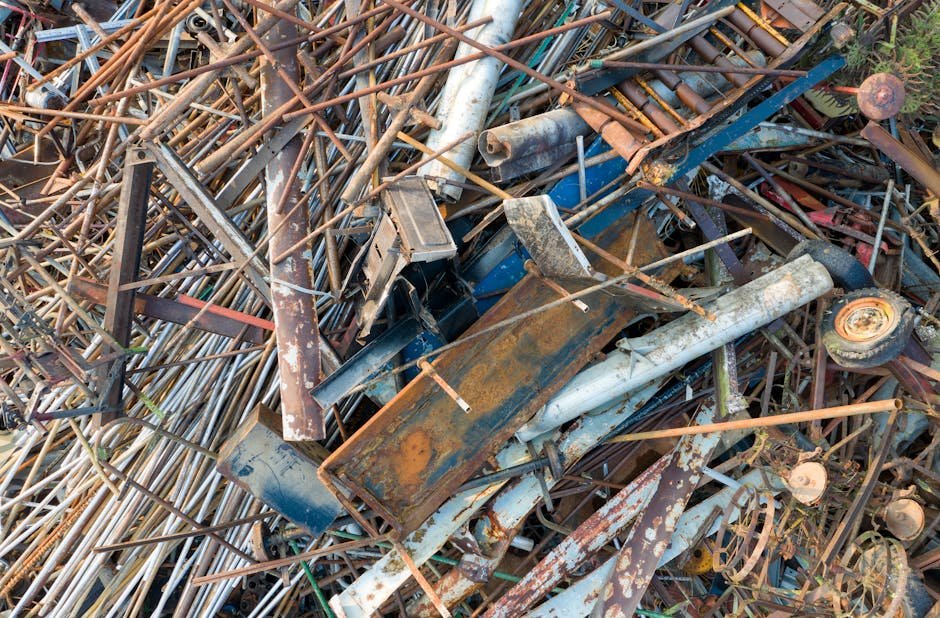

Navigating the world of maroochy scrap metal requires a solid understanding of how the industry functions, from the initial collection of materials to the final smelting process. Whether you are a homeowner clearing out a shed or a trade professional managing industrial waste, knowing where to take your scrap and how to identify different grades is essential for maximizing your returns and supporting the circular economy. The process of recycling metal is a cornerstone of modern industrial sustainability, and being an informed participant in the Maroochy region can make a significant difference.
Understanding Metal Grades and Market Valuation
The value of your scrap is determined by its metallurgical composition and the current market demand. When you engage with a professional facility, you will find that metals are broadly categorized into ferrous and non-ferrous groups. Ferrous metals, such as steel and iron, are magnetic and are typically found in construction materials, appliances, and automotive parts. Non-ferrous metals, including copper, aluminium, brass, and stainless steel, are highly valued for their durability and resistance to corrosion, often fetching higher prices per kilogram.
To stay ahead of the curve, it is vital to consult current Scrap Metal Prices regularly. Market volatility means that rates can fluctuate based on global supply chains, manufacturing demand, and even geopolitical factors. For those looking for a deep dive into the underlying economic mechanics, our Ultimate Guide to scrap metal prices in Australia provides the necessary context for understanding these shifts. Furthermore, if you are curious about the specific calculations that determine your payout, our article on Scrap Metal Prices per kg – Current Rates & How They’re Set offers a transparent look at the industry standards.
How the Maroochy Scrap Metal Recycling Process Works
The journey from a discarded piece of pipe to a brand-new component is a fascinating industrial process. Once materials arrive at a Metal Scrap Yard Near Me, they undergo a rigorous sorting phase. Advanced technology, including X-ray fluorescence (XRF) scanners and magnetic separation, ensures that different alloys are correctly identified. This precision is critical; even a small amount of contamination in a batch of aluminium can render the entire load unusable for high-end manufacturing.
After sorting, the metal is processed through shredding or shearing to reduce its volume, making it easier to transport and melt. The final stage involves melting the scrap in high-temperature furnaces to create ingots or billets. These raw materials are then sold back to manufacturers, effectively closing the loop. By participating in this system, you are helping to reduce the need for virgin ore mining, which is a resource-intensive and environmentally damaging process. If you are looking for professional services in the region, Crg Scrap Metal is a key player that maintains high standards for material processing and environmental compliance.
The Environmental and Economic Benefits of Recycling
Recycling metal is one of the most effective ways to lower the carbon footprint of the manufacturing sector. Producing aluminium from recycled scrap, for instance, requires up to 95% less energy than extracting it from bauxite ore. This massive energy saving translates to lower greenhouse gas emissions and a healthier planet. Beyond the environmental impact, there is a clear economic incentive for the individual. By diverting metal from landfills, you are not only helping the local Maroochy environment but also putting money back into your pocket.
The shift toward a circular economy is gaining momentum across Australia. Platforms like Scrap Trade are dedicated to connecting individuals with the best recycling solutions, while Scraptrade.com.au provides comprehensive resources for those looking to optimize their scrap management strategy. Engaging with local businesses ensures that your waste is handled ethically and in accordance with Australian environmental regulations, preventing hazardous materials from leaching into the soil or water tables of the Sunshine Coast.
Best Practices for Preparing Your Scrap
Preparation is the key to getting the best value for your maroochy scrap metal. Before heading to the yard, take the time to separate your metals. Mixing copper with steel or aluminium will often lead to a lower grade classification, as the yard will have to spend additional labor hours separating the materials. Clean your scrap as much as possible; removing non-metallic attachments like plastic, rubber, or wood can significantly increase the weight-to-value ratio of your haul.
For those dealing with industrial quantities, consider investing in a basic magnetic separator or a simple sorting station. Being organized not only makes the drop-off process faster but also demonstrates to the yard operators that you understand the quality of the materials you are providing. When you approach the process with this level of professionalism, you are more likely to build a long-term relationship with local recyclers, which can sometimes lead to better service and more consistent pricing information.
Safety and Compliance in Metal Trading
Safety should always be the priority when handling scrap. Sharp edges, heavy loads, and potentially hazardous materials like lead or mercury-containing components require careful handling. Always wear appropriate personal protective equipment (PPE), including gloves, steel-toed boots, and eye protection. If you are dismantling large structures or machinery, ensure you have the proper permits and that you are not disturbing any hazardous waste that requires specialized disposal.
Compliance with local Maroochy council regulations is also essential. Illegal dumping is a significant issue, and reputable scrap yards will always require identification and documentation for large transactions. This is not just for tax purposes but to ensure that stolen goods are not entering the supply chain. By choosing to work with licensed and reputable facilities, you are contributing to a safer and more transparent industry.
Future Trends in the Scrap Metal Industry
The future of maroochy scrap metal recycling is bright, with advancements in robotics and AI-driven sorting promising even higher levels of efficiency. As global demand for raw materials continues to rise, the value of recycled metal will only increase. We are seeing a move toward more localized processing, which reduces the carbon cost of transporting heavy scrap over long distances. Innovations in smelting technology are also allowing for the recycling of complex alloys that were previously considered “un-recyclable.”
As a participant in this industry, staying informed about these trends will help you anticipate shifts in the market. Whether it is the rise of electric vehicle battery recycling or the increased demand for high-purity copper in renewable energy infrastructure, the scrap market is evolving rapidly. By keeping a finger on the pulse of the industry through reliable resources and local partnerships, you can ensure that your recycling efforts remain both profitable and impactful for years to come.
In conclusion, the scrap metal industry is much more than just a place to dump old junk. It is a sophisticated, global network that powers modern manufacturing and protects our natural resources. Whether you are a casual recycler or a professional contractor, understanding the grades, the processes, and the environmental benefits of your actions is the first step toward becoming a more sustainable citizen. Start by identifying your materials, checking the current rates, and visiting a local facility to see how your contribution fits into the bigger picture of the Australian circular economy.
Frequently Asked Questions
What is the difference between ferrous and non-ferrous scrap?
Ferrous metals contain iron and are magnetic, such as steel and iron. Non-ferrous metals do not contain iron, are non-magnetic, and include valuable materials like copper, aluminium, and brass.
How can I get the best price for my scrap metal?
To get the best price, ensure your metal is cleaned of non-metallic attachments like plastic or wood and separate your different metal types before arriving at the yard. Checking current market rates online before you sell helps you understand the value of your load.
Why is it important to recycle metal instead of throwing it away?
Recycling metal saves significant amounts of energy compared to mining virgin ore and prevents heavy metals from entering landfills. It supports a circular economy where materials are continuously reused in manufacturing.
Do I need to provide ID when selling scrap metal in Maroochy?
Yes, reputable scrap yards in Australia require valid photo identification to comply with legal requirements and prevent the trading of stolen materials. This helps maintain a safe and transparent industry for all participants.