
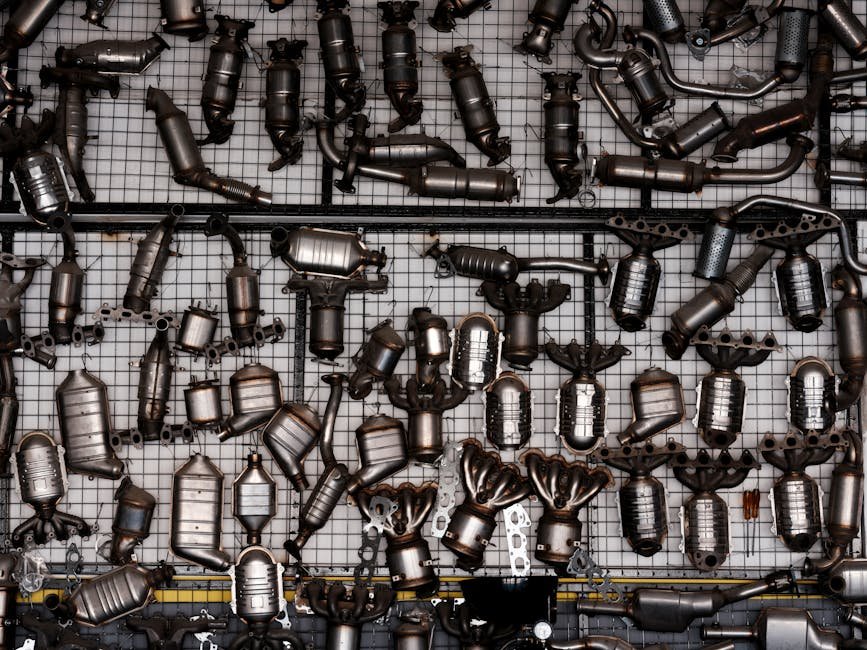

When you decide to sell catalytic converter online, you are entering a complex market driven by the fluctuating value of precious metals like platinum, palladium, and rhodium. These components are essential for reducing vehicle emissions, but they also represent a significant asset when a vehicle reaches the end of its life. Understanding the process is critical to ensuring you receive fair market value and remain compliant with Australian law. Whether you are an individual mechanic or a scrap yard owner, navigating this industry requires a blend of technical knowledge and market awareness.
The Value of Precious Metals in Catalytic Converters
The primary reason catalytic converters are highly sought after by recyclers is the honeycomb structure inside, coated with precious metals. As these metals are rare and difficult to mine, recycling them is a lucrative industry. When you look to Sell My Catalytic Converter, you are essentially selling the raw material value contained within that ceramic substrate. Market prices fluctuate daily based on global supply and demand, meaning that timing your sale is just as important as finding the right buyer.
To understand the valuation, you must look at the serial number. Most professional buyers will not provide an accurate quote without it. This number identifies the specific make, model, and year of the vehicle, which correlates to the specific density of platinum, palladium, and rhodium inside. If you are researching how to Catalytic Converter Sell for Scrap: Complete Guide, you will find that the serial number is the single most important piece of data you can provide to a potential buyer.
How to Get the Best Price for Your Converter
Getting the best price isn’t just about finding the highest bidder; it is about transparency and accuracy. Many sellers make the mistake of accepting the first offer they receive. Instead, you should aim to get multiple quotes from verified Australian scrap metal recyclers. When you prepare to sell catalytic converter online, ensure your unit is clean and the serial number is clearly visible. If the casing is damaged or the serial number is unreadable, the value drops significantly because the buyer cannot verify the metal content.
You should also consult resources like the Ecotrade Catalytic Converter database to get a baseline understanding of what your specific model might be worth. By doing your homework, you empower yourself to negotiate effectively. If you are asking yourself about the process of Sell My Catalytic Converter Near Me How To Get The Best Price Safely, remember that safety and legitimacy are paramount. Avoid buyers who refuse to provide a tax invoice or who offer cash without proper documentation, as this is often a red flag for illegal operations.
Where to Sell: Choosing a Reputable Scrap Dealer
Finding a reliable place to sell your converter is the most critical step in the process. You want a partner who understands the market and operates with integrity. When searching for where to sell, look for businesses that are registered with the appropriate environmental protection agencies. A professional scrap metal trading platform can offer you a secure environment to list your parts and connect with verified buyers who understand the value of your inventory.
When you evaluate potential buyers, consider their logistics. Do they offer courier services, or do you need to drop it off? Are they transparent about their pricing structure? For those looking for a comprehensive overview, the Sell My Catalytic Converter Near Me: Ultimate Guide provides deep insights into vetting buyers. Always prioritize buyers who are willing to explain their grading process. If a buyer is vague about how they determine the value of your unit, it is likely they are not offering you the best price.
Documentation and Legal Requirements
In Australia, the scrap metal industry is subject to strict regulations. When you sell catalytic converter online, you must be prepared to provide identification. This is a legal requirement designed to combat the theft of catalytic converters. Reputable buyers will require a driver’s license or other government-issued ID and may ask for proof of ownership for the vehicle the converter came from. This ensures that the trade is legitimate and helps keep the industry clean.
Additionally, you should expect to receive a formal receipt or tax invoice for every transaction. This document should detail the weight, the serial number of the unit, the date of sale, and the price paid. Keeping these records is essential for your own accounting and ensures that you are protected should any questions arise regarding the provenance of the parts you sold. Never engage in transactions that are strictly “cash for scrap” without a paper trail, as this puts you at risk of being involved in illicit trade.
Preparing Your Converter for Sale
Before you finalize your sale, proper preparation can add value to your transaction. Ensure the converter is removed from the vehicle properly, without damaging the internal ceramic honeycomb. If the unit is heavily rusted or the pipes are cut in a way that obscures the serial number, your potential buyer will have to spend more time processing it, which will be reflected in a lower offer. Clean the exterior of loose debris and ensure the serial number is legible using a wire brush if necessary.
Once prepared, take high-quality photos of the unit from multiple angles, specifically focusing on the serial number and the weld points. These photos will be requested by any professional buyer looking to give you a fair quote. By presenting a professional-looking product, you demonstrate that you are a serious seller, which often leads to faster responses and better pricing from high-volume recyclers.
The Future of the Catalytic Converter Market
As the automotive industry shifts toward electric vehicles, the long-term demand for catalytic converters will eventually peak and plateau. However, for the next decade, there will be a massive influx of end-of-life vehicles hitting the recycling market. This makes now an excellent time to understand how to sell catalytic converter online effectively. By leveraging digital platforms to connect with global buyers, you can ensure that you are not just getting rid of a piece of scrap, but maximizing the return on a valuable industrial commodity.
Stay informed about global precious metal prices. Use online commodity trackers to see how platinum and palladium are performing. If prices are high, it is a great time to clear out your workshop or garage. Conversely, if prices are in a slump, you might choose to hold onto your stock until the market recovers. This strategic approach to selling is what separates the casual seller from the professional scrap trader.
Frequently Asked Questions
Why is the serial number so important when selling a catalytic converter?
The serial number allows buyers to identify the exact make, model, and year of the vehicle, which correlates to the specific density of precious metals inside. Without this number, an accurate valuation is impossible.
Is it legal to sell catalytic converters for scrap?
Yes, it is legal provided you follow local regulations, which include providing identification and keeping formal records of the transaction. Always ensure you are dealing with a licensed and reputable scrap dealer.
How can I ensure I am getting the best price?
To get the best price, obtain multiple quotes from verified buyers and compare them against current precious metal market rates. Ensure your unit is clean and the serial number is clearly visible to avoid valuation deductions.
What documents do I need to provide to a buyer?
You will typically need a valid government-issued photo ID, such as a driver’s license, and you should always receive a formal tax invoice or receipt for the sale. Some buyers may also request proof of vehicle ownership.