
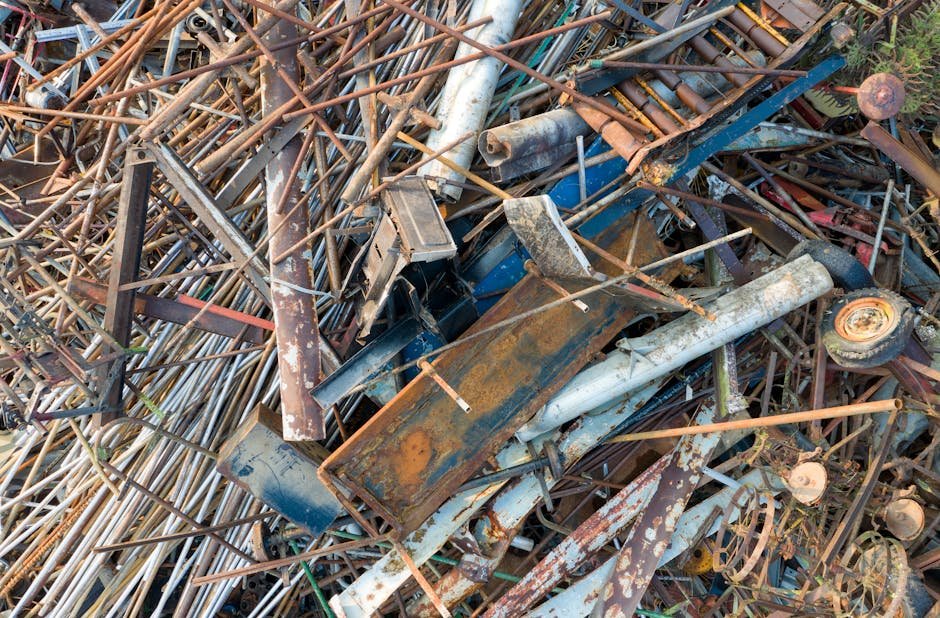

Navigating the Australian recycling landscape requires deep industry knowledge to identify the best scrap metal locations that align with your volume and material type. Whether you are an industrial contractor or a private seller, choosing the right yard is the most critical step in ensuring fair market value and logistical efficiency. As the global demand for secondary raw materials surges, understanding how to evaluate these facilities is paramount. In this guide, we explore the nuances of metal grades, the sophisticated machinery behind modern recycling, and the environmental imperatives driving the industry forward. By leveraging tools like Best Scrap Metal Prices Near Me, you can ensure your operational costs remain low while your yield stays high.
Understanding Metal Grades and Classification
Metal classification is the foundation of the scrap industry. Ferrous metals, which contain iron, are categorized primarily by their magnetic properties and chemical composition. Common grades include heavy melting steel (HMS 1 and 2), which is essential for steel mills, and light gauge scrap like sheet metal. Non-ferrous metals, such as copper, aluminum, brass, and stainless steel, command significantly higher prices due to their energy-intensive primary production costs. Copper, for instance, is graded by purity; ‘bright and shiny’ number one copper wire is the gold standard, whereas burnt or insulated wire fetches lower rates. Aluminum is similarly graded by its alloy content, with 6063 extrusions and 5052 sheets being highly sought after. Understanding these distinctions allows you to segregate your scrap effectively, ensuring you receive the premium rates reserved for clean, sorted loads. When looking for the best scrap metal locations, always prioritize yards that use XRF (X-ray fluorescence) analyzers to verify alloy grades on-site, as this technology eliminates guesswork and guarantees fair compensation.
The Mechanics of Modern Metal Recycling
The recycling process is a marvel of industrial engineering. Once scrap is delivered to a site, it undergoes a rigorous intake process involving radiological screening and weight verification. Large-scale facilities utilize massive shredders that can reduce entire vehicle bodies into fist-sized chunks of metal in seconds. Following the shredding phase, magnets are employed to separate ferrous materials from the non-ferrous stream. Eddy current separators then use magnetic fields to repel non-ferrous metals like aluminum and copper, effectively sorting them from plastics, rubber, and glass. For specialized facilities like Immix Scrap Metal Locations, the focus is on high-volume processing and purity optimization. High-density balers compress light materials into transportable cubes, reducing shipping costs and carbon footprints. This systematic approach ensures that the output meets the stringent requirements of smelters and foundries, which require consistent chemical compositions to produce high-quality virgin-equivalent metal. By choosing a facility that invests in this level of infrastructure, you are supporting a circular economy that reduces the need for destructive mining practices.
Environmental Benefits and Economic Impact
Recycling scrap metal is one of the most effective ways to reduce global carbon emissions. Producing steel from recycled scrap requires up to 75% less energy than producing it from virgin iron ore. Furthermore, recycling aluminum saves approximately 95% of the energy required to produce the same amount of metal from bauxite ore. Beyond energy savings, the scrap industry preserves precious landfill space and prevents the leaching of heavy metals into groundwater. Economically, the industry serves as a vital barometer for global manufacturing health. When scrap prices rise, it often signals an increase in industrial production and construction activity. By participating in the recycling ecosystem, you are not just clearing space—you are contributing to a massive, global supply chain that sustains infrastructure development across the globe. For those looking to scale their operations, understanding the Best Countries To Source Scrap Metal provides a broader perspective on how local recycling efforts fit into the international trade landscape.
Logistics and Exporting Strategy
For businesses dealing in high volumes, the ability to move material is just as important as the price per ton. Exporting requires strict adherence to international standards, such as the ISRI (Institute of Scrap Recycling Industries) guidelines. If you are preparing to scale, mastering How To Export Scrap Metal Internationally is essential. This involves understanding container loading, shipping documentation, and the regulatory requirements of destination countries. Many of the best scrap metal locations in Australia offer integrated logistics services, providing skip bins, flatbed trucks, and crane-equipped vehicles to streamline the collection process. Partnering with a professional recycler who understands export compliance ensures that your shipments are not rejected at the port due to contamination or improper documentation. For domestic trade and local inquiries, resources provided by Scrap Trade offer invaluable data for tracking market trends, while Scrap Trade Australia provides localized insights into the Australian market, helping you identify regional opportunities for growth and efficiency.
Maximizing Your Returns: Practical Tips
To maximize your profit, preparation is key. First, always strip insulation from copper wire if your labor costs allow; the price difference between insulated and bare bright is substantial. Second, keep your metals separated by grade. Mixing aluminum with steel reduces the value of the entire load to the lowest common denominator. Third, keep your scrap clean. Contamination from plastics, wood, or dirt increases the processing burden at the yard, which will inevitably be reflected in a lower payout. Fourth, build a relationship with your yard manager. Regular suppliers often receive better service and priority during market volatility. Fifth, monitor the LME (London Metal Exchange) prices. While local yards set their own rates, they are heavily influenced by global trends; knowing the market peak allows you to time your sales effectively. Finally, prioritize safety. Always wear appropriate PPE, including gloves and steel-toed boots, when handling heavy scrap. By treating your scrap collection as a professional business operation, you ensure that you are consistently getting the best value for your materials at the best scrap metal locations in your region.
The Future of the Scrap Industry
The future of metal recycling lies in automation and traceability. As sustainability reporting becomes mandatory for large corporations, the ability to trace the origin of recycled metal will become a competitive advantage. We are seeing a shift toward ‘smart yards’ that use AI-driven cameras to identify and sort metals in real-time. These innovations will further increase the efficiency of the best scrap metal locations, allowing them to process complex waste streams that were previously considered unrecyclable. Furthermore, the transition to renewable energy is creating a massive new source of scrap: end-of-life solar panels, wind turbine components, and electric vehicle batteries. These materials require specialized handling and recovery techniques, representing the next frontier for the recycling industry. As you navigate this evolving sector, staying informed through reliable industry platforms is your best defense against market volatility and your best strategy for long-term profitability. By integrating these advanced practices into your own operations, you position yourself as a leader in the sustainable management of secondary resources.
Frequently Asked Questions
What is the most valuable metal to recycle?
Copper is generally the most valuable non-ferrous metal due to its high demand in electrical and plumbing industries. Specifically, ‘bright and shiny’ bare copper wire consistently commands the highest market price per kilogram.
How can I tell if my scrap metal is ferrous or non-ferrous?
The easiest way to distinguish between the two is by using a magnet. Ferrous metals, such as iron and steel, are magnetic, while non-ferrous metals like aluminum, copper, and brass are not.
Why do scrap metal prices change so frequently?
Scrap metal prices fluctuate based on the London Metal Exchange (LME) and global supply-demand dynamics. Factors such as manufacturing output, mining production costs, and international trade policies directly influence these daily rate shifts.
Do I need to clean my scrap metal before taking it to a yard?
Yes, cleaning your scrap significantly improves your payout. Removing impurities like plastic, wood, or rubber ensures the yard can process the material more efficiently, allowing them to offer you a higher price for ‘clean’ scrap.