
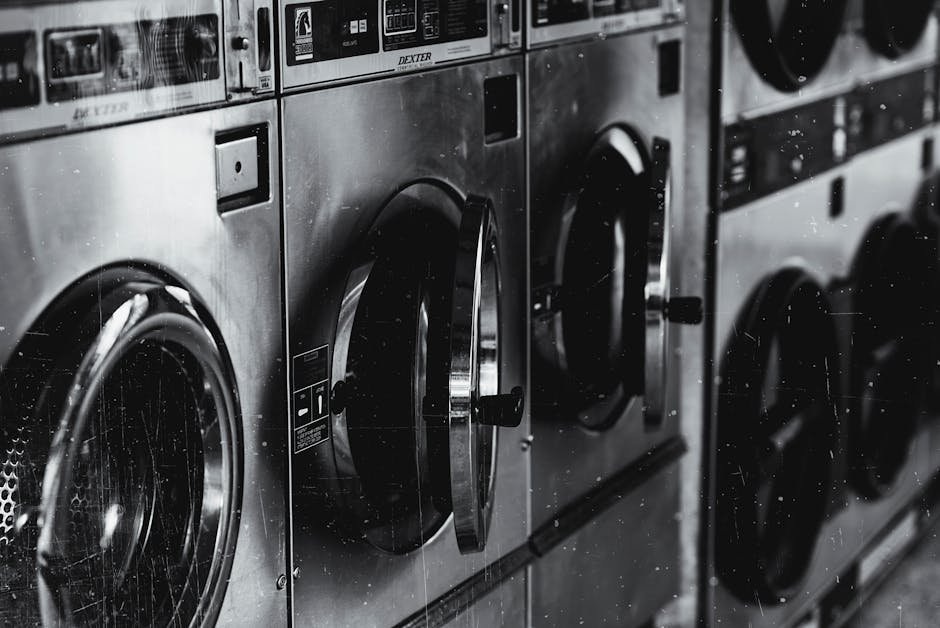

If you are currently asking yourself, “can i sell my old washing machine for scrap,” you are looking at a smart way to declutter your home while recovering value from industrial-grade materials. In the Australian market, domestic appliances are a significant source of high-quality ferrous and non-ferrous metals. Understanding the internal composition of your machine is the first step toward turning a bulky waste item into a profitable venture. When you decide to Can I Sell My Washing Machine For Scrap Metal? The Ultimate Guide, you are participating in a circular economy that reduces landfill waste and provides raw materials for local manufacturing. Whether you are a homeowner or a business owner clearing out stock, knowing the logistics of where to sell and how to prepare your load is essential for securing the best price.
Understanding Your Washing Machine’s Scrap Value
A standard washing machine is a treasure trove of recyclable materials. The outer casing is almost exclusively made of mild steel, which falls under the category of ferrous scrap. Inside, you will find a stainless steel drum, which commands a higher price per kilogram than standard steel due to its chromium and nickel content. Furthermore, the motor contains copper windings, and the wiring harnesses are rich in insulated copper. To get the best price, you must understand that scrap yards grade these materials differently. A ‘dirty’ washing machine—one that still contains plastic, rubber, concrete counterweights, and glass—will be valued at the lowest ‘white goods’ rate. By stripping the machine down to its metallic core, you move your scrap from a low-value bulk item to high-value sorted commodities. Many sellers often overlook the potential of other household items; if you have other electronics, you might also want to look into Scrap Laptop How To Sell And Recycle Old Laptops Profitably to maximize your total scrap haul.
How to Prepare Your Machine for Maximum Profit
Preparation is the difference between a few dollars and a significant payout. Before heading to a scrap dealer, ensure you have drained all water from the hoses and removed the power cord. If you are comfortable using basic hand tools, unscrew the back panel and remove the motor. The motor is a high-value item because it contains significant amounts of copper. Separate the copper wiring from the plastic insulation if possible, as ‘bright and shiny’ copper fetches a premium price compared to insulated wire. Always keep your steel separated from your aluminium and copper. Mixing grades is the fastest way to receive a lower price, as the yard will have to spend labor hours sorting your load. If you have larger equipment or industrial appliances, you should also learn how to Sell Steel Machinery Scrap Equipment Machine Parts to ensure you are not leaving money on the table with heavier, high-density items. Remember that when you visit Scrap Trade, you are accessing a network that prioritizes transparency in pricing and grading, helping you understand exactly what your material is worth in the current Australian market.
Where to Sell and Finding the Right Scrap Dealer
Finding a reputable scrap dealer is crucial for a fair transaction. Not all yards offer the same rates, and some specialize in specific types of metals. When searching for ‘cash for scrap’ services, look for facilities that are members of the Australian Metal Recycling Industry Association (AMRIA). These yards are more likely to have accurate, calibrated scales and transparent pricing structures. Before you arrive, call ahead and ask for their current ‘white goods’ rate. Some yards may offer a higher price if you bring the metal in clean and sorted. For those looking to move beyond single appliances, you can Sell Used Products On Scrap Trade, which provides a platform for connecting with buyers who may value the appliance as a whole if it is still functional or repairable. Always bring a valid photo ID, as Australian law requires scrap yards to record the details of sellers to prevent the trade of stolen goods. This documentation is a standard part of the process and ensures that the industry remains regulated and safe for everyone involved.
The Environmental Impact of Appliance Recycling
Recycling your washing machine is an act of environmental stewardship. Steel production is an energy-intensive process; by recycling, you are significantly reducing the carbon footprint associated with mining iron ore and refining it into new steel. Every tonne of recycled steel saves approximately 1.5 tonnes of iron ore and 500 kilograms of coal. Additionally, modern washing machines contain hazardous substances like refrigerants or capacitors that must be handled by professionals. By taking your machine to a licensed recycler found on Scraptrade.com.au, you ensure that these chemicals are captured and disposed of safely, preventing soil and water contamination. The recycling process involves shredding the appliance, using magnetic separators to pull out the ferrous metals, and utilizing eddy current separators to recover non-ferrous metals like aluminium and copper. This high-tech approach ensures that nearly 95% of the material in your washing machine is diverted from landfill and returned to the manufacturing cycle.
Advanced Scrap Grading and Market Trends
The scrap metal market is volatile and influenced by global demand, particularly from manufacturing hubs in Asia. Understanding market trends can help you time your sale for the best price. During periods of high industrial growth, the price for steel and copper tends to rise. ‘Prepared’ scrap—metal that has been cut to specific sizes and cleaned of contaminants—is always in higher demand than ‘unprepared’ scrap. If you have multiple machines, consider accumulating them until you have a substantial load, as some yards offer better rates for higher volumes. Keep track of the ‘London Metal Exchange’ (LME) prices, as these serve as the global benchmark for copper and aluminium. While the average consumer may not track these daily, having a general sense of whether the market is ‘bullish’ or ‘bearish’ can help you decide whether to sell now or hold onto your scrap for a few months. Always consult with your local yard about their specific grading requirements, as some may have unique preferences based on their downstream processing capabilities.
Logistics: Transporting Your Scrap Safely
Transporting a washing machine requires care. These machines are heavy and can cause damage to vehicles if not secured properly. Use a heavy-duty trailer or a utility vehicle with tie-down points. If you are moving multiple machines, ensure the load is balanced to prevent trailer sway. Wear protective gloves and sturdy footwear, as scrap metal often has sharp edges that can cause deep lacerations. If you are unable to transport the machine yourself, some larger scrap yards offer collection services for a fee, or you can look for local ‘scrap collectors’ who may pick it up for free in exchange for the scrap value. However, selling it yourself directly to the yard will always net you the highest return. If you have a large volume of scrap, consider renting a skip bin specifically for metal, which can streamline the process and make it easier to load and transport your materials to the facility efficiently.
Conclusion: Turning Waste into Wealth
The question of ‘can i sell my old washing machine for scrap’ is answered with a resounding yes, provided you approach the task with a plan. By sorting your materials, removing non-metallic contaminants, and choosing a reputable dealer, you turn a waste management problem into an income stream. The Australian scrap industry is robust and ready to pay for quality materials that keep our economy moving. Whether you are recycling a single machine or managing a larger cleanup project, the principles of cleanliness, safety, and proper documentation remain the same. Start by identifying your local scrap yards, check their current pricing, and prepare your materials to ensure you get the best possible return on your investment. By doing so, you are not just making money; you are contributing to a sustainable future for Australia’s manufacturing sector.
Frequently Asked Questions
Do I need to remove the motor from my washing machine?
While not strictly required, removing the motor is highly recommended to get the best price. Motors contain valuable copper windings that are priced much higher than the standard steel body of the machine.
Are there any parts of a washing machine that cannot be scrapped?
Yes, components like rubber seals, plastic tubs, and concrete counterweights are considered ‘non-metallic’ or ‘contaminants.’ These should be removed because they lower the grade of your scrap and may result in the yard charging you a disposal fee.
What documentation do I need to provide when selling scrap?
In Australia, you must provide a valid government-issued photo ID, such as a driver’s license or passport. This is a legal requirement for all scrap dealers to prevent the trade of stolen property.
How often do scrap metal prices change?
Scrap metal prices fluctuate based on global market conditions and can change weekly or even daily. It is always a good idea to call your local scrap yard on the day you plan to sell to get the most accurate, up-to-date pricing.