
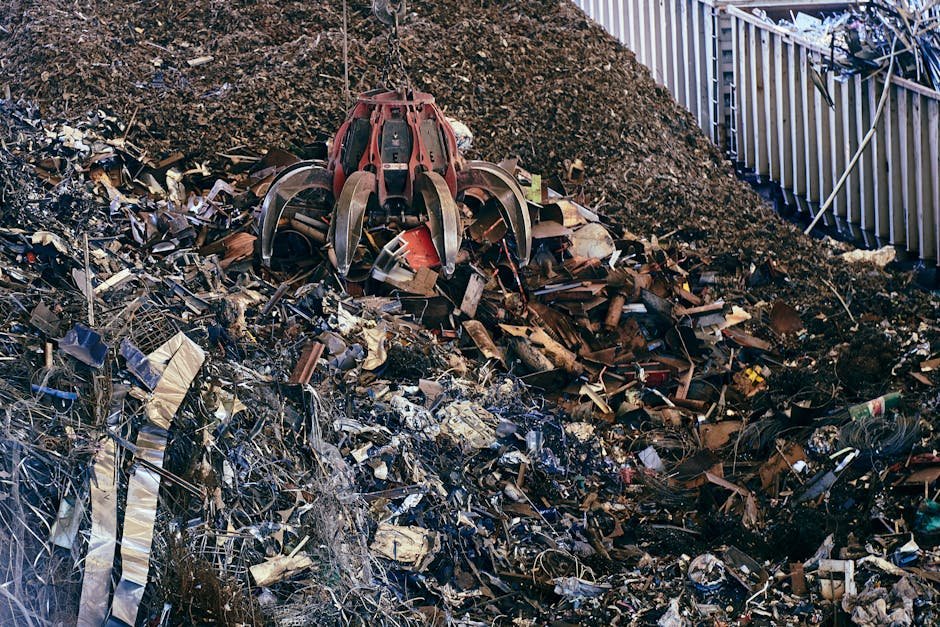

Navigating the complex landscape of scrap traders requires a deep understanding of metal commodities, global market fluctuations, and the technical requirements of the recycling industry. Whether you are an industrial manufacturer, a demolition contractor, or a private collector, knowing how to leverage the services of reputable scrap traders is the difference between a minor payout and a significant revenue stream. In Australia, the industry is governed by strict environmental standards and precise grading protocols that ensure every kilogram of scrap is diverted from landfill and returned to the production cycle. This guide serves as your authoritative resource for mastering the metal market.
The Essential Guide to Metal Grading and Classification
Successful scrap traders rely on standardized grading to determine the value of materials. Metals are broadly categorized into ferrous and non-ferrous groups, each with distinct market dynamics. Ferrous metals, such as steel and iron, are magnetic and are primarily valued for their bulk weight and carbon content. In contrast, non-ferrous metals—including copper, brass, lead, and zinc—possess superior corrosion resistance and conductivity, commanding significantly higher prices per tonne. For those looking to Sell Scrap, understanding these grades is critical.
Specifically, non-ferrous metals are often graded by purity. For example, ‘bright and shiny’ copper wire is considered the highest grade because it requires minimal processing to be melted down into new wire. Conversely, copper pipe with solder or paint residues is downgraded, reflecting the additional labor costs required by the facility to refine the material. Similarly, when dealing with Aluminium Scrap: Grades, Recycling Process, and management, traders look at alloying elements. Pure aluminium extrusions are far more valuable than mixed cast aluminium, which may contain silicon or zinc impurities. By sorting your materials before they reach the yard, you effectively increase your profit margins.
The Lifecycle: How Modern Recycling Works
The recycling process is a sophisticated industrial operation that transforms waste into high-grade feedstock. Once material is received by Gmr Scrap or similar industry leaders, it undergoes a multi-stage transformation. The first step is the weigh-bridge process, where incoming loads are measured to ensure accurate payment. Following this, the material is sorted using advanced technology such as X-ray fluorescence (XRF) analyzers, which identify the chemical composition of metals in seconds. This ensures that no contaminants, such as plastics or glass, enter the melt.
After sorting, the metals are shredded or sheared. Shredding breaks down complex items like vehicles or white goods into small, manageable pieces, allowing magnets to pull out the ferrous components while eddy current separators push out non-ferrous materials. This high-tech separation is what allows modern facilities to achieve recovery rates exceeding 95%. Once separated, the metals are baled or compacted for transport to smelters. At the smelter, the metal is melted, purified, and cast into ingots, which are then sold back to manufacturers. This closed-loop system is the backbone of sustainable manufacturing, ensuring that the energy invested in original mining is not lost.
Environmental Benefits and the Circular Economy
The environmental case for scrap recycling is irrefutable. Producing steel from recycled scrap requires approximately 75% less energy than producing it from virgin iron ore. For aluminium, the savings are even more dramatic, with recycling requiring up to 95% less energy than primary production. By working with established Australian scrap traders, businesses directly contribute to a reduction in greenhouse gas emissions and the preservation of natural landscapes that would otherwise be destroyed by open-cut mining. Furthermore, recycling reduces the volume of waste sent to landfills, which are a major source of methane and local soil contamination.
Beyond energy savings, scrap recycling protects biodiversity by reducing the demand for new mining operations. Every tonne of recycled metal prevents the extraction of several tonnes of ore, reducing the need for tailings dams and chemical leaching processes. As global markets shift toward ESG (Environmental, Social, and Governance) reporting, companies that can prove they are recycling their metal waste are finding themselves in a stronger competitive position. Partnering with industry-leading scrap traders ensures that your environmental impact is tracked, documented, and verified, providing the transparency required by modern corporate standards.
Strategic Tips for Maximizing Your Scrap Returns
To maximize the value of your scrap, preparation is key. First, keep your metals separated. Mixing copper with steel or aluminium with brass creates a ‘contaminated’ load, which is almost always valued at the lowest common denominator price. Second, remove non-metallic attachments. If you are scrapping an electric motor, removing the steel casing or the heavy iron bolts can sometimes change the grade of the copper windings inside, leading to a higher payout. Third, monitor market trends. Metal prices are commodities that fluctuate based on global demand, particularly from manufacturing hubs in Asia and Europe. Understanding when to hold or sell your inventory can result in significant financial gains.
Finally, develop a relationship with your local yard. Regular suppliers often receive priority service, better pricing, and access to specialized bins or logistical support. If you are running a demolition project, talk to your trader before you start the tear-down. They can provide advice on how to dismantle items to retain the highest grade of metal, potentially saving you thousands in disposal costs while increasing your recovery value. Professional traders are not just buyers; they are consultants who can optimize your entire waste management strategy.
The Future of Metal Trading: Technology and Compliance
The scrap industry is undergoing a digital transformation. From real-time pricing apps to blockchain-based tracking of metal purity, the industry is becoming more transparent and efficient. Compliance is also a major focus; Australian scrap traders must adhere to strict regulations regarding the handling of hazardous materials, such as lead-acid batteries or mercury-containing switches. Reputable traders invest heavily in safety and environmental compliance, ensuring that every load is processed according to the law. This protects the supplier from liability and ensures that the recycling chain remains ethical and sustainable.
As we look toward a future defined by resource scarcity, the role of the scrap trader will only grow in importance. We are moving away from a linear ‘take-make-dispose’ model toward a circular economy where every molecule of metal is treated as a valuable asset. By understanding the grades, the processes, and the environmental impact, you position yourself as a key player in this transition. Whether you are a small-scale collector or a large industrial firm, the principles of high-quality sorting, strategic timing, and choosing the right partner remain the foundation of success in the scrap metal industry.
Frequently Asked Questions
How do I determine the current market price for my scrap?
Scrap prices are volatile and change based on global commodity markets. It is best to contact your local scrap trader directly for a quote, as they adjust prices based on current demand, grade purity, and the volume of material you are providing.
Why is it important to separate my scrap metals?
Separating metals ensures you receive the highest price for each specific grade. When metals are mixed, they are often valued at the price of the lowest-grade material in the pile because the recycler incurs extra costs to sort them.
What items are generally considered restricted or hazardous at scrap yards?
Items like gas cylinders, sealed containers, radioactive materials, and certain electronic components containing hazardous chemicals are often restricted. Always consult with your scrap trader before bringing in items that may pose a safety or environmental risk.
How does recycling scrap metal help the Australian environment?
Recycling metal significantly reduces the need for energy-intensive mining and smelting processes, which lowers carbon emissions and preserves natural habitats. It also keeps heavy metals and other pollutants out of Australian landfills, supporting a more sustainable circular economy.