
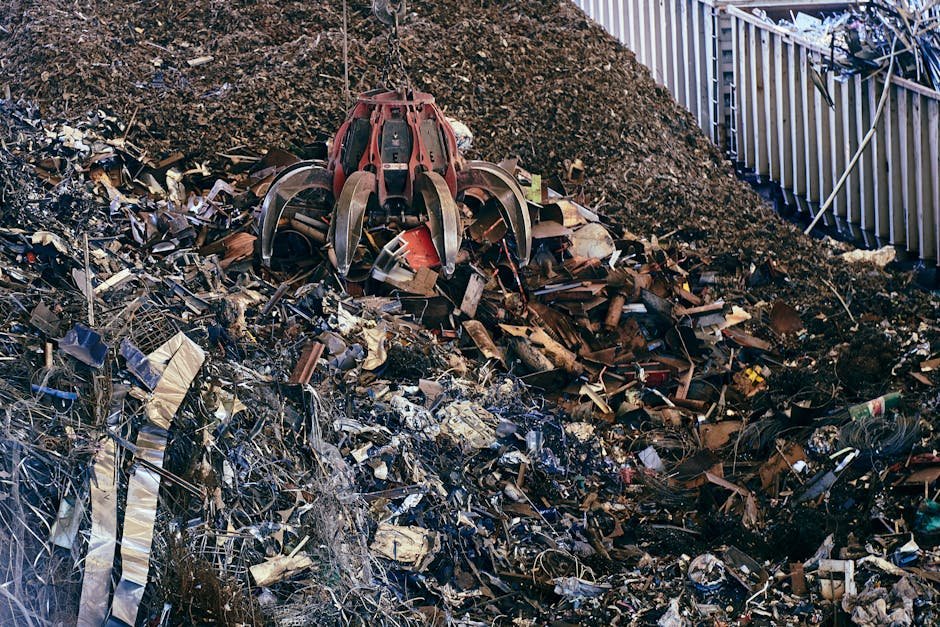

Navigating the complex world of industrial and residential metal recovery requires a reliable scrap finder to ensure you are correctly identifying materials and receiving fair market value. In the Australian context, the metal recycling industry is a cornerstone of the circular economy, transforming discarded items into high-value raw materials for manufacturing. Whether you are a demolition contractor, a trade professional, or a household recycler, understanding how to classify your scrap is the first step toward profitability. By utilising a professional scrap finder, you can streamline the sorting process, ensuring that high-value alloys are separated from low-grade ferrous materials, which significantly impacts your bottom line when you decide to Sell Scrap. This guide serves as your authoritative resource for everything from metal identification to the logistics of the recycling chain.
Understanding Metal Grades and Identification
The Australian scrap market operates on a rigorous classification system based on purity, alloy composition, and contamination levels. Identifying these grades accurately is the primary function of any effective scrap finder. Ferrous metals, which contain iron, are generally magnetic and include steel, cast iron, and wrought iron. Non-ferrous metals, such as copper, aluminium, brass, and stainless steel, are highly sought after due to their infinite recyclability and superior market pricing. Copper is typically graded by cleanliness; ‘Bright and Shiny’ (Number 1) copper fetches the highest price because it is free of insulation, paint, or oxidation. Conversely, ‘Burnt’ or ‘Dirty’ copper requires extensive processing, lowering its value. For those working with light metals, our detailed guide on Aluminium Scrap: Grades, Recycling Process, and provides deep insights into the specific nuances of extrusion, cast, and sheet aluminium. Contamination is the enemy of profit; even a small amount of plastic, rubber, or foreign metal can downgrade a load from ‘Premium’ to ‘Mixed,’ resulting in substantial financial loss. Industry standards like the ISRI (Institute of Scrap Recycling Industries) guidelines are often referenced in Australia to maintain consistency across the supply chain, ensuring that what you sell meets the exact specifications required by smelters and refineries.
The Mechanics of Metal Recycling in Australia
Once your material is identified, the recycling process follows a standardized industrial pathway designed to maximise yield and minimise energy consumption. Upon arrival at a facility like Gmr Scrap, materials undergo a multi-stage process. First, the scrap is weighed on certified scales to establish a baseline. Next, it is visually inspected and tested using handheld X-ray fluorescence (XRF) analysers, which provide an elemental breakdown of the metal in seconds. This technology has revolutionised the scrap industry, allowing for precise sorting of complex alloys that look identical to the naked eye. After sorting, the metal is processed through shredders, shears, or balers. Shredding is particularly common for end-of-life vehicles and white goods, where the material is reduced to fist-sized chunks. Powerful magnets then separate the ferrous metals from the non-ferrous fraction, while eddy current separators are used to repel non-ferrous metals like aluminium and copper into separate collection bins. This mechanical separation is vital for producing high-purity ‘feedstock’ that can be fed directly back into furnaces. The final product is then melted down into ingots or billets, effectively closing the loop and reducing the need for virgin mining operations. By understanding this process, you can better prepare your scrap for collection, as pre-sorted, clean loads are processed much faster and often command premium pricing at reputable sites like Scrap.trade.
Environmental Benefits and Economic Impact
The environmental imperative for recycling scrap metal in Australia cannot be overstated. Producing aluminium from recycled scrap requires approximately 95% less energy than extracting it from bauxite ore. Similarly, recycling copper saves up to 85% of the energy compared to primary production. Beyond energy savings, the carbon footprint reduction is monumental. By keeping scrap out of landfills, we prevent the leaching of hazardous heavy metals into soil and groundwater. Furthermore, the mining of virgin ore is a resource-intensive process that causes significant land degradation and biodiversity loss. When you choose to recycle, you are directly contributing to the conservation of Australia’s natural resources. The economic impact is equally profound. The scrap industry provides thousands of jobs across regional and metropolitan Australia, from logistics and transport to specialized metallurgical engineering. It supports the domestic manufacturing sector by providing a reliable, cost-effective supply of raw materials that are not subject to the same volatility as global commodity mining markets. Choosing to work with established recycling partners, such as those found through Scraptrade.com.au, ensures that your waste is handled in a way that aligns with modern environmental, social, and governance (ESG) standards, which is increasingly important for businesses aiming to improve their sustainability reporting.
Practical Tips for Maximising Your Scrap Returns
Maximising your return requires more than just gathering metal; it requires strategic preparation. Start by segregating your metals at the source. Mixing copper piping with steel or brass with aluminium creates a ‘mixed’ load that is valued at the lowest common denominator. Keep your non-ferrous metals in clearly labelled, separate containers. If you are dealing with large volumes of wire, stripping the insulation can significantly increase the value, provided the labour cost of stripping does not exceed the price premium gained. Always keep your scrap clean and dry; moisture and debris add weight that is deducted from your payout. For trade professionals, keeping a record of your scrap generation can help you identify trends in your waste stream, allowing you to optimise your site management. When transporting scrap, ensure it is safely secured and compliant with local road transport regulations. If you are a business, consider establishing a long-term partnership with a local recycler. Regular suppliers often receive priority service, better pricing tiers, and access to specialised collection equipment like skip bins or roll-on-roll-off containers. Finally, stay informed about market fluctuations. Metal prices are tied to global supply and demand, influenced by factors like international trade policy and manufacturing output. By tracking these trends, you can time your sales to coincide with market peaks, ensuring you get the best possible return on your hard-earned scrap.
Navigating Market Volatility and Industry Trends
The Australian scrap market is highly dynamic, influenced by both domestic demand and international export markets. China’s ‘National Sword’ policy and subsequent restrictions on imported waste have significantly shifted the landscape, forcing Australian recyclers to focus on higher quality, cleaner output. This shift has made the role of the scrap finder more critical than ever, as the market now heavily penalises contamination. We are seeing a trend toward ‘smart’ recycling, where digital platforms are being used to track the provenance and quality of scrap metal from the point of origin to the final smelter. This transparency is becoming a requirement for major industrial clients who need to prove their supply chain sustainability. Furthermore, the rise of electric vehicles (EVs) is creating a new stream of scrap metal, particularly in the form of lithium-ion batteries and high-grade copper wiring, which require specialised handling and recovery techniques. As the industry evolves, the distinction between a simple ‘scrap yard’ and a ‘resource recovery facility’ is blurring. Companies that invest in advanced sorting technology, such as optical sorters and AI-driven identification systems, are becoming the leaders in the field. For the individual or business looking to trade, aligning with these forward-thinking facilities is the best way to future-proof your recycling efforts. By staying educated on these broader industry shifts, you position yourself to take advantage of new opportunities, such as the growing demand for recycled rare earth metals and high-purity alloys that are essential for the next generation of green technology.
Safety and Compliance in Scrap Handling
Safety is the non-negotiable foundation of the scrap metal industry. Handling heavy, sharp, or potentially hazardous materials requires strict adherence to Occupational Health and Safety (OHS) protocols. Always wear appropriate Personal Protective Equipment (PPE), including heavy-duty gloves, steel-capped boots, and high-visibility clothing when handling or transporting scrap. Be particularly cautious with sealed containers, gas cylinders, and old electrical equipment that may contain capacitors or hazardous materials. In Australia, the disposal of certain items is strictly regulated; for example, gas bottles must be purged and valves removed before they can be accepted as scrap. Similarly, lead-acid batteries must be stored in acid-resistant, bunded containers to prevent environmental contamination. Compliance with local council regulations and environmental protection agency (EPA) guidelines is essential for any business involved in the scrap trade. Failure to comply can result in heavy fines and reputational damage. When working with a recycling partner, ensure they hold the necessary environmental licences and waste transport permits. A reputable recycler will be happy to provide documentation regarding their compliance and the final destination of your scrap. By prioritising safety and compliance, you not only protect yourself and your employees but also contribute to the professionalisation and legitimacy of the entire recycling sector, ensuring it remains a viable and respected industry for years to come.
Building a Sustainable Future Through Recycling
The journey from a discarded piece of metal to a new product is a testament to human ingenuity and the power of the circular economy. Every time you use a scrap finder to identify and recycle your metal, you are participating in a global effort to reduce waste and conserve the earth’s finite resources. The future of the Australian scrap industry lies in our collective ability to improve sorting accuracy, embrace new processing technologies, and maintain a commitment to environmental stewardship. As we move toward a more sustainable future, the value of recycled metal will only continue to grow. Manufacturers are increasingly looking for ‘green’ raw materials to meet their own sustainability targets, and the scrap industry is the primary source of these materials. By treating your scrap as a valuable commodity rather than just waste, you are contributing to a more efficient, resilient, and sustainable economy. Whether you are a small-scale recycler or a large industrial operation, your choices matter. By choosing to recycle, you are helping to build a world where resources are valued, energy is conserved, and the environment is protected for future generations. We encourage you to continue learning, stay informed about market developments, and always aim for the highest standards of quality in your scrap collection and processing. Together, we can ensure that Australia remains at the forefront of the global metal recycling industry, setting the standard for excellence and sustainability.
Related: Scrap
Frequently Asked Questions
What is the most valuable type of scrap metal to collect?
Copper is consistently the most valuable common scrap metal due to its high demand in electrical and plumbing industries. ‘Bright and Shiny’ copper wire, which is free of insulation and oxidation, typically commands the highest price per kilogram in the Australian market.
How do I know if my metal is ferrous or non-ferrous?
The simplest test is to use a magnet; if the metal sticks to the magnet, it is ferrous, such as steel or iron. If it does not stick, it is non-ferrous, such as aluminium, copper, or brass, which generally hold significantly higher market value.
Why is it important to clean my scrap metal before selling?
Cleaning your scrap by removing non-metal attachments like plastic, rubber, or wood ensures you receive the highest grade and price. Contaminated loads are often downgraded to ‘mixed’ scrap, which pays significantly less than clean, sorted material.
Can I recycle items that contain multiple types of metal?
Yes, but they are often classified as ‘mixed’ or ‘complex’ scrap, which may require professional processing. It is always best to disassemble items into their individual metal components whenever possible to maximise your return.