
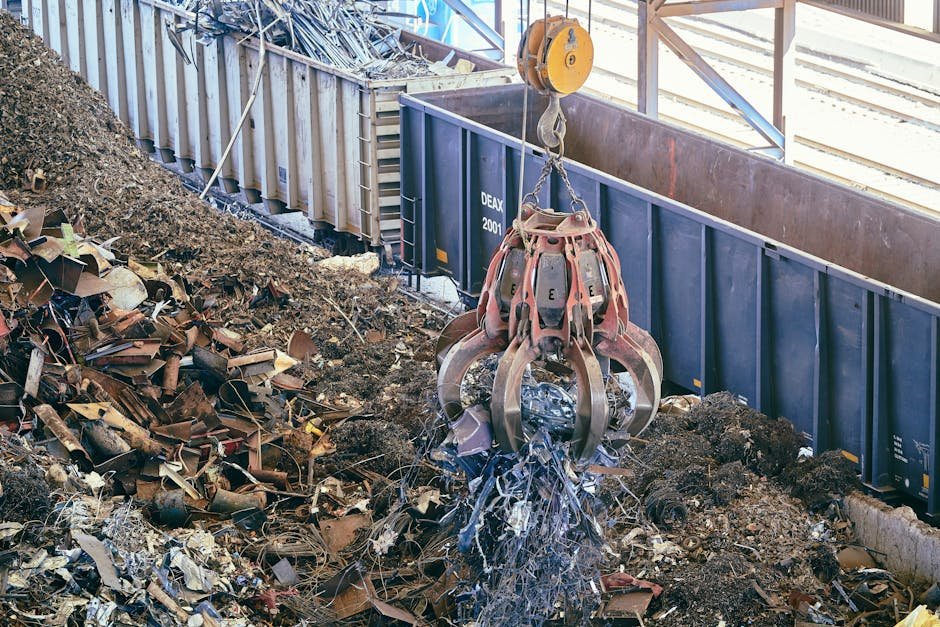

Understanding the fluctuating scrap value at the moment is the primary driver of profitability for any Australian business or contractor holding metal inventory. Metal markets are inherently volatile, influenced by international supply chains, currency exchange rates, and local industrial manufacturing cycles. To stop leaving money on the table, you must move beyond local yard prices and engage with a professional B2B Scrap Trading Platform that offers real-time transparency. When you treat your scrap as a high-value commodity rather than waste, you shift your operations from a cost center to a revenue stream. Whether you are clearing a construction site or managing industrial factory offcuts, the strategy remains the same: identify your grade, verify the weight, and execute the sale when the market spikes.
Mastering Metal Grades and Market Valuation
Profitability begins with precise material identification. Many sellers lose significant margin by failing to sort their scrap correctly, resulting in ‘mixed load’ pricing which is invariably the lowest tier. High-value copper, such as Bright Shiny or Millberry, commands a premium that dwarfs standard ‘dirty’ copper. Aluminium is similarly tiered; clean extrusion or plate fetches a much higher price than painted or cast aluminium. If you are serious about optimizing your returns, you must utilize the resources found in Understanding Scrap Value: The Ultimate Guide to Metal Recycling to ensure your team is sorting at the source. By separating ferrous metals like steel from non-ferrous metals like copper, brass, and stainless steel, you ensure that every kilogram is valued at its peak potential. Our professional network at Scrap Trade Australia provides the logistical support to move these sorted loads efficiently, ensuring your yard stays clear and your cash flow remains consistent.
The Mechanics of Modern Metal Recycling
The recycling process is a sophisticated industrial operation designed to recover high-purity materials for re-entry into the manufacturing sector. Once your scrap is collected, it undergoes a rigorous process of shearing, shredding, and magnetic separation. Ferrous metals are separated using powerful magnets, while non-ferrous metals are sorted using X-ray fluorescence (XRF) technology and eddy current separators. This process is essential because it allows manufacturers to bypass the energy-intensive mining and refining of raw ores. By participating in this circular economy, you are not just liquidating assets; you are providing the raw materials necessary for Australia’s building and automotive industries. As a member of a reputable Scrap Trade Organisation, you gain access to industry standards that ensure your materials are processed ethically and efficiently, meeting all environmental compliance requirements. This professional approach to recycling minimizes waste and maximizes the recovery of valuable alloys, which in turn supports higher market prices for sellers who can guarantee quality and consistency.
Environmental Impact and Corporate Responsibility
Beyond the immediate financial gain, recycling metal is the most effective way to reduce your company’s carbon footprint. The energy required to recycle aluminium, for instance, is approximately 95% less than the energy required to produce it from bauxite ore. Every tonne of steel you recycle prevents the emission of significant amounts of CO2 and saves thousands of litres of water. For Australian businesses, this is a critical component of ESG (Environmental, Social, and Governance) reporting. When you sell your scrap through a verified professional metal recycling network, you receive documentation that validates your contribution to a sustainable supply chain. This transparency is increasingly vital for securing contracts with Tier-1 construction firms and government entities that prioritize sustainable procurement. Don’t let your environmental credentials go to waste; document your recycling efforts and turn your scrap into a powerful marketing tool for your brand.
Executing Your Sale: Why Timing Matters
The scrap value at the moment is a snapshot in time; it does not stay static. Sophisticated traders monitor the London Metal Exchange (LME) and local currency shifts to predict when to sell. If you are sitting on a large volume of inventory, waiting for the ‘perfect’ price can sometimes lead to stagnation. Instead, focus on high-velocity turnover. By selling regularly, you average out the market highs and lows, protecting your business against sudden price corrections. Our platform provides the data-backed insights you need to make informed decisions without the guesswork. If you have been hesitant to move your scrap due to concerns about logistics or payment security, it is time to upgrade your process. We offer streamlined collection services and guaranteed payment terms that take the risk out of the transaction. Stop treating your metal as junk and start managing it as a strategic asset. Contact our team today to get a quote, lock in your pricing, and clear your site with confidence. Your bottom line depends on the decisions you make today—don’t let your scrap value depreciate while you wait for a better market that might not arrive. Take action now and secure your profit.
Frequently Asked Questions
How can I ensure I get the best price for my scrap metal?
The most effective way to maximize returns is to sort your metals by type and grade before sale. Using a professional trading platform allows you to compare market rates and avoid the lower prices associated with mixed or contaminated loads.
What is the difference between ferrous and non-ferrous scrap?
Ferrous metals contain iron and are magnetic, such as steel and iron, and generally have a lower price point per kilogram. Non-ferrous metals, including copper, aluminium, brass, and stainless steel, are non-magnetic and typically command significantly higher market values.
How do market fluctuations impact the scrap value at the moment?
Scrap prices are tied to global commodity markets, currency exchange rates, and industrial demand for raw materials. When global manufacturing activity increases, demand for recycled metal rises, which directly boosts the scrap value at the moment.
Do I need special permits to sell scrap metal in Australia?
While individual sellers generally do not need permits, commercial entities must comply with local environmental regulations and provide proper documentation for waste disposal. Working with a registered scrap trade organisation ensures all your transactions meet these legal and environmental standards.