
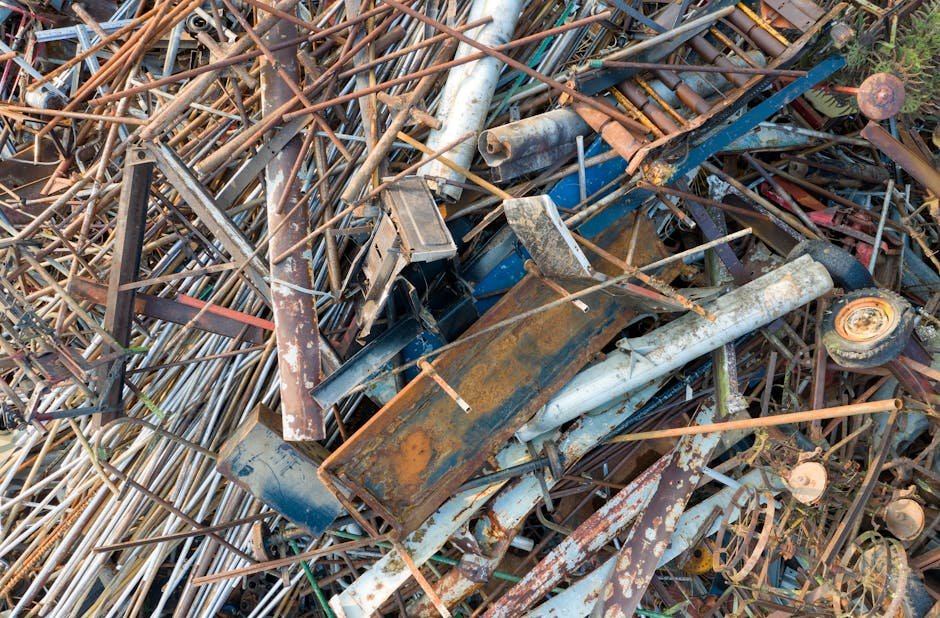

Operating within the landscape of scrap metal Dubai requires a deep understanding of global commodity markets and local logistical infrastructure. As a central nexus for trade between Asia, Europe, and Africa, Dubai has evolved into a sophisticated marketplace for industrial waste recovery. Whether you are dealing with heavy demolition debris or high-value non-ferrous alloys, the principles of successful recycling remain anchored in precise grading, efficient sorting, and strategic timing of sales. Understanding the nuances of scrap metal Dubai operations allows businesses to maximize margins while contributing to the circular economy. For those looking to benchmark their local operations against international standards, reviewing the Ultimate Guide to scrap metal prices in Australia provides an excellent comparative framework for global pricing volatility.
Understanding Metal Grades in the Global Market
The categorization of scrap is the foundation of the industry. Metals are broadly divided into ferrous and non-ferrous, with each category further subdivided by purity, chemical composition, and physical state. Ferrous metals, which contain iron, are magnetic and include steel, cast iron, and wrought iron. In the context of scrap metal Dubai, large-scale construction projects generate massive volumes of structural steel, which must be processed into specific grades like HMS 1 and 2 to meet international export specifications. Non-ferrous metals, such as copper, aluminum, brass, and lead, do not contain iron and are significantly more valuable per kilogram due to their infinite recyclability without loss of properties.
Copper is the gold standard of the scrap industry. It is typically graded based on oxidation levels and insulation. ‘Bright and Shiny’ (Number 1 Copper) commands the highest premium, requiring minimal processing before being melted down for new wire production. Aluminum is graded by series, with 6063 (extrusion) and 1000-series (pure aluminum) being highly sought after. Zinc, lead, and stainless steel (304 vs 316 grade) require specialized testing using X-ray fluorescence (XRF) analyzers to ensure chemical accuracy. Facilities that utilize advanced technology to verify these grades are the ones that consistently secure the best Scrap Metal Prices in the market. By maintaining clean, sorted stockpiles, traders avoid the heavy penalties associated with contamination, which is the primary cause of margin erosion in the recycling sector.
The Mechanics of Industrial Recycling
Recycling is not merely about dumping metal into a bin; it is a highly engineered industrial process. The cycle begins at the collection point, where source segregation is critical. In large-scale operations, such as those handled by Crg Scrap Metal, the focus is on volume throughput and contamination removal. Once the material reaches the yard, it undergoes shearing, shredding, and torching. Hydraulic shears are used to cut large structural beams into furnace-ready sizes, while shredders reduce mixed scrap into smaller fragments, allowing magnetic separators and eddy current separators to isolate ferrous metals from non-ferrous materials.
The environmental benefit of this process is profound. Recycling aluminum, for instance, requires 95% less energy than producing it from raw bauxite ore. Similarly, steel recycling reduces water consumption by 40% and air emissions by 86%. As global industries shift toward decarbonization, the demand for high-quality recycled scrap has skyrocketed. Companies that invest in modern processing equipment, such as balers and densifiers, reduce their logistical footprint by increasing the density of their shipments, thereby lowering transport costs and carbon emissions. If you are looking for a reliable partner to manage your waste streams, finding a professional Metal Scrap Yard Near Me is the first step toward creating a sustainable and profitable recycling strategy.
Global Trends and Economic Drivers
The scrap metal industry is inherently cyclical, heavily influenced by the construction boom, manufacturing output, and global energy prices. In Dubai, the proximity to major shipping lanes makes it an ideal location for the import and export of scrap, yet it also exposes the market to international price fluctuations. Traders must monitor the London Metal Exchange (LME) daily to understand the baseline for non-ferrous commodities. When demand for new infrastructure rises in developing nations, the demand for recycled rebar and structural steel spikes, driving up prices for ferrous scrap.
Furthermore, government regulations regarding environmental protection are becoming stricter. In Australia, the industry is governed by rigorous environmental protection acts, and similar standards are being adopted globally to prevent illegal dumping and encourage the ‘circular economy.’ For businesses looking to scale, partnering with a professional scrap trading network is essential to ensure compliance and access to competitive pricing. The rise of ‘green steel’—steel produced using renewable energy and high percentages of scrap—is a major trend that will continue to dictate the value of scrap metal for the next decade. Investors and business owners should focus on long-term contracts with end-users rather than relying solely on spot-market volatility.
Logistics and Operational Efficiency
Successful scrap management relies on logistics. The cost of transport often exceeds the value of the material if not managed correctly. Using specialized containers, optimizing loading weights, and utilizing real-time tracking are standard practices for top-tier recycling firms. In the Middle East, the heat and environmental conditions require specific storage solutions to prevent the degradation of certain metals. For example, storing copper in a way that minimizes oxidation is vital to maintaining its ‘Bright and Shiny’ grade. Similarly, protecting aluminum from salt-air corrosion in coastal areas is a necessity for maintaining quality.
Practical tips for site managers include: 1. Implement a strict ‘no contamination’ policy at the source. 2. Use color-coded bins to separate grades immediately upon collection. 3. Invest in a digital scale system that integrates with your inventory management software to track weight discrepancies in real-time. 4. Build strong relationships with local foundries to secure consistent off-take agreements. By treating scrap as a high-value commodity rather than waste, businesses can transform a liability into a significant revenue stream. Always ensure that your Australian scrap trade partners are vetted for their ethical sourcing practices and environmental compliance to ensure your supply chain remains transparent and sustainable.
Future Outlook: Technology and Sustainability
The future of the scrap metal industry lies in automation and artificial intelligence. AI-powered sorting robots are now capable of identifying metal alloys with greater accuracy than human sorters, significantly reducing the margin for error. As the world moves toward a net-zero future, the role of scrap metal in reducing the carbon footprint of manufacturing will only increase. We are seeing a shift where manufacturers are now prioritizing suppliers who can provide ‘traceable’ scrap, meaning they can prove the origin and composition of the recycled metal.
For those operating in the Dubai market, staying ahead of these technological trends is not optional—it is a competitive necessity. Whether you are a small scrap collector or a large industrial firm, the principles of quality, efficiency, and sustainability remain the same. By leveraging data, adhering to strict grading standards, and focusing on the global demand for recycled materials, you can build a resilient business that thrives in any economic climate. The transition to a circular economy is the most significant opportunity for the scrap metal industry in the 21st century, and those who embrace it will lead the market for years to come.
Frequently Asked Questions
What is the difference between ferrous and non-ferrous scrap?
Ferrous metals contain iron and are magnetic, such as steel and iron, while non-ferrous metals do not contain iron and include copper, aluminum, and brass. Non-ferrous metals are generally more valuable due to their resistance to corrosion and infinite recyclability.
How can I get the best price for my scrap metal?
To secure the best prices, ensure your scrap is clean, sorted by grade, and free of contaminants like plastic or insulation. Building a long-term relationship with a reputable buyer and monitoring the London Metal Exchange for market trends will also help you time your sales for maximum profit.
Why is scrap metal recycling environmentally important?
Recycling metal significantly reduces the need for energy-intensive mining and refining of raw ores. It conserves natural resources, reduces landfill waste, and lowers greenhouse gas emissions by requiring far less energy to process compared to virgin material production.
What are the common grades of copper scrap?
The most common grades are ‘Bright and Shiny’ (Number 1), which is clean, unalloyed, and uncoated wire, and ‘Number 2’ copper, which may contain some minor oxidation or solder. Higher purity levels always command higher prices in the scrap market.