
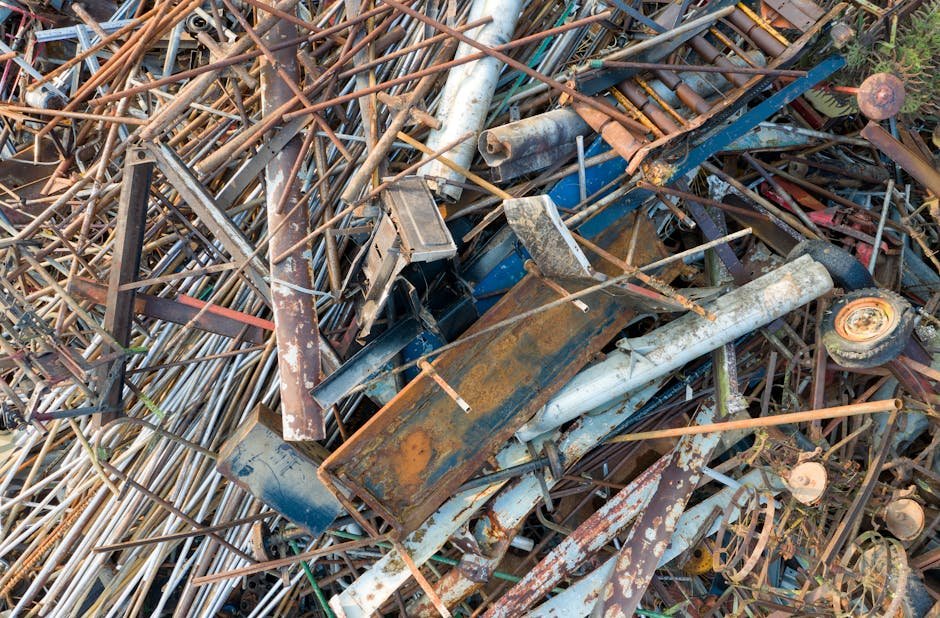

Navigating the landscape of scrap metal Clontarf requires a deep understanding of how global commodity markets intersect with local industrial needs. Whether you are a trade contractor, a demolition expert, or a household resident clearing out a garage, the ability to identify, sort, and process materials correctly is the difference between a minor payout and a significant revenue stream. In the Redcliffe Peninsula, the demand for reliable recycling services has grown as construction activity accelerates. Understanding the nuances of the trade is essential, which is why experts often consult the Ultimate Guide to scrap metal prices in Australia to stay ahead of market volatility. By engaging with professional facilities, you ensure that your waste is diverted from landfills and repurposed into the circular economy, supporting sustainable growth across the region.
The Core Grades of Scrap Metal
To maximize your returns, you must first master the distinction between ferrous and non-ferrous metals. Ferrous metals contain iron and are typically magnetic; they are the backbone of construction and heavy machinery. Non-ferrous metals—such as copper, aluminum, brass, and lead—do not contain iron, are highly resistant to corrosion, and command significantly higher market prices. When searching for a scrap metal Clontarf provider, you will find that facilities prioritize high-purity non-ferrous loads because they require less energy to refine. Copper, for instance, is graded based on its level of oxidation and insulation. Bright shiny copper fetches the highest price, while copper with heavy plastic coating or solder requires additional processing, lowering its value. Aluminum, meanwhile, is graded by its alloy composition; clean, cast aluminum is valued differently than extruded aluminum found in window frames. Understanding these grades is critical, and you should always check current Scrap Metal Prices before heading to the yard to ensure you are being compensated fairly for the quality of your material.
How the Recycling Process Works
The journey from a pile of discarded metal to a refined raw material is a sophisticated industrial process. Upon arriving at a facility, the material is weighed on certified scales to establish a baseline. The scrap is then inspected for contaminants, such as plastics, glass, or hazardous materials, which can degrade the quality of the final melt. Once inspected, the material undergoes mechanical separation. High-powered magnets are used to pull ferrous metals from the mix, while eddy current separators are employed to isolate non-ferrous metals like aluminum and copper. For larger items, such as structural steel or vehicle carcasses, hydraulic shears and shredders reduce the size to manageable dimensions. This shredding process is vital because it increases the surface area for the subsequent smelting phase. If you are looking for a reputable Metal Scrap Yard Near Me, look for operators who utilize modern baling and shearing technology, as this indicates a high-capacity facility capable of handling large volumes efficiently. Once shredded, the metal is melted in furnaces, purified, and cast into ingots or billets, which are then sold back to manufacturers to create everything from new car parts to home appliances.
Environmental and Economic Benefits
The environmental impact of recycling metal is profound, particularly when compared to the extraction of virgin ore. Mining for metals is an energy-intensive process that leaves massive scars on the landscape and consumes vast quantities of water. By contrast, recycling aluminum saves approximately 95% of the energy required to produce the same amount from bauxite ore. For steel, the energy savings hover around 75%. In the context of scrap metal Clontarf, every tonne of metal diverted from a landfill represents a significant reduction in carbon emissions. Beyond the environmental footprint, there is a strong economic incentive. The scrap industry is a vital component of the Australian economy, providing jobs and ensuring that domestic manufacturers have access to affordable, high-quality raw materials. Companies like Crg Scrap Metal play a pivotal role in this ecosystem by bridging the gap between waste generators and industrial end-users. By participating in this cycle, you are not just cleaning up your site; you are contributing to a more resilient and self-sufficient local economy.
Optimizing Your Scrap Management
Efficiency in the scrap trade is all about preparation. The more you can sort your materials before they reach the yard, the faster and more profitable your transaction will be. Mixing different grades of metal—such as throwing brass fittings into a bin of aluminum—is a common mistake that drastically reduces the value of the entire load. Instead, use dedicated bins for each metal type. Remove non-metallic attachments whenever possible; for example, stripping the insulation from electrical wiring can move your scrap from a lower-grade ‘insulated wire’ category to high-value ‘bright copper’. If you are dealing with large-scale industrial scrap, consider reaching out to industry experts at Scrap Trade Australia for advice on logistics and bin services. They can provide tailored solutions for site clearances, ensuring that your waste management remains compliant with local environmental regulations while maximizing your return on investment. Keeping a clean, organized site also reduces the risk of workplace injuries, which is a critical consideration for any contractor operating in the Queensland region.
Market Trends and Future Outlook
The scrap metal market is inherently volatile, influenced by global demand from manufacturing giants in Asia and the strength of the Australian dollar. Recent trends show a shift toward more stringent quality controls, meaning that ‘dirty’ scrap is becoming increasingly difficult to sell. As global sustainability goals become more aggressive, the demand for recycled content in consumer goods is rising, which is expected to support long-term price stability for high-grade scrap. Investors and scrap generators alike should monitor these shifts closely. The move toward ‘green steel’—steel produced using renewable energy—is creating a premium market for high-quality, pre-sorted scrap. By staying informed and maintaining high standards for your scrap collection, you position yourself to capture the best possible value as these trends evolve. The industry is moving away from the ‘junk yard’ perception and toward a ‘resource recovery center’ model, where precision and quality are the primary drivers of success. Whether you are a small-scale hobbyist or a major industrial producer, the principles of sorting, cleaning, and timely selling remain the constant pillars of success in the Australian scrap market.
Safety and Compliance in Scrap Handling
Handling scrap metal is not without its risks. Sharp edges, heavy loads, and potentially hazardous materials require strict adherence to safety protocols. Always wear appropriate personal protective equipment (PPE), including heavy-duty gloves, steel-capped boots, and high-visibility clothing. Be cautious when handling items that may contain pressurized components, such as old gas cylinders or hydraulic struts, which can be extremely dangerous if cut or crushed. Furthermore, ensure that you are aware of local regulations regarding the disposal of hazardous waste, such as lead-acid batteries or electronic waste containing mercury. Professional scrap yards are equipped to handle these materials safely and legally, but they will often reject loads that are improperly mixed with hazardous items. By prioritizing safety and compliance, you protect yourself, your workers, and the environment. Establishing a relationship with a trusted local facility is the best way to ensure that you are operating within the law while maintaining a profitable scrap management strategy. Always verify that your chosen facility holds the necessary environmental licenses and follows best practices for waste management, as this ensures that your contribution to the circular economy is both ethical and effective.
Frequently Asked Questions
What is the most valuable type of scrap metal?
Copper is generally the most valuable non-ferrous metal, with ‘bright and shiny’ copper wire fetching the highest prices. Other high-value metals include brass, lead, and stainless steel, depending on current market demand.
Why should I sort my scrap before taking it to a yard?
Sorting your scrap increases its value because yards pay more for clean, separated loads than for mixed ‘dirty’ scrap. It also speeds up the weighing and payment process, saving you time at the facility.
Can I scrap items that have plastic or rubber attached?
While some items can be accepted with attachments, removing plastic, rubber, and other non-metallic materials significantly increases the grade and price of your scrap. Most professional yards prefer clean, stripped metal.
How do scrap metal prices change?
Scrap prices are influenced by global supply and demand, the value of the Australian dollar, and the cost of raw commodity production. Prices fluctuate daily, so checking current market rates is essential before selling.