
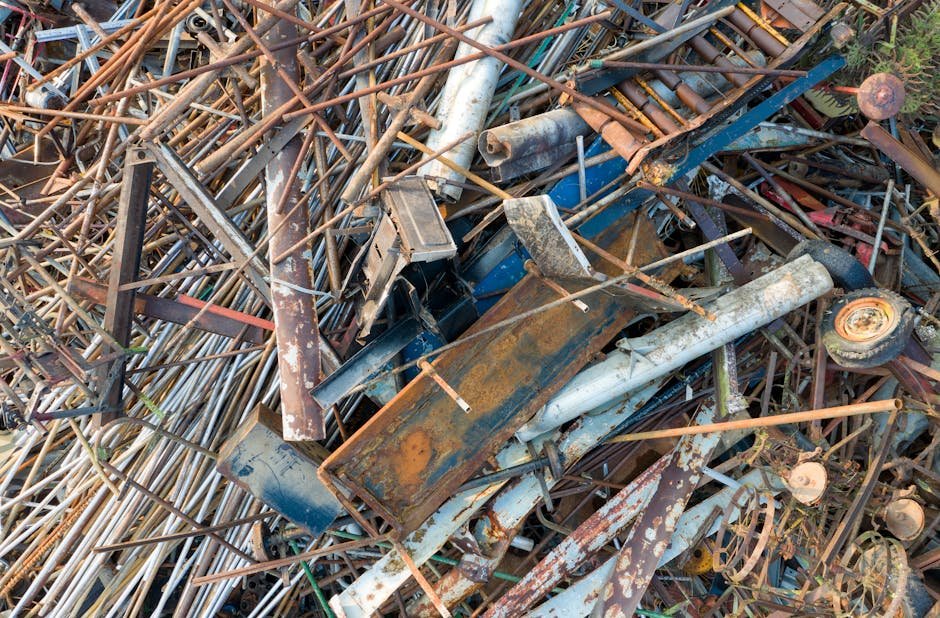

Understanding exactly where to sale scrap metal is the first step toward turning industrial or domestic waste into a profitable revenue stream. In the Australian market, the process of recycling is highly regulated and standardized, requiring sellers to distinguish between ferrous and non-ferrous materials to secure the best value. Whether you are a tradesperson clearing a job site or a homeowner with a pile of old copper piping, navigating the complexities of metal grades is essential. This comprehensive guide serves as your roadmap for trading scrap effectively, ensuring you understand the logistics, environmental impact, and economic potential of your materials. For those asking where to sale scrap metal, the answer lies in partnering with reputable facilities that prioritize transparency in their weighing and grading processes.
The Anatomy of Scrap Metal Grades
Metal classification is the cornerstone of the recycling industry. Not all scrap is created equal, and understanding the nuances between grades will significantly impact your final payout. Ferrous metals, which contain iron and are magnetic, include steel, cast iron, and wrought iron. While these are abundant, they generally command lower prices per tonne compared to their non-ferrous counterparts. Non-ferrous metals—such as copper, aluminum, brass, stainless steel, and lead—are highly prized for their durability and infinite recyclability. Copper, in particular, is the gold standard of the scrap world. Bright shiny copper, free of solder or insulation, fetches the highest premiums. When considering where to sale scrap metal, you must ensure your chosen yard has the expertise to correctly identify and grade these materials. Misclassification often leads to significant financial loss for the seller. Always separate your metals before arriving at the yard; mixing aluminum with steel or copper with brass will result in the entire load being downgraded to ‘mixed scrap’ prices, which is the lowest tier available. For a deeper dive into the valuation process, refer to our Scrap Metal Prices page, which tracks current market fluctuations.
How the Recycling Process Works
The journey from a discarded piece of metal to a new product is a sophisticated industrial process. Once metal is collected, it undergoes a rigorous sorting phase. Modern facilities utilize advanced technology, including magnetic separators, eddy current separators, and X-ray fluorescence (XRF) analyzers to determine the exact chemical composition of the scrap. Following sorting, the metal is processed through shredders or shears to reduce its volume, making it easier to transport and melt. The final stage involves melting the scrap in high-temperature furnaces to create ingots, which are then sold to manufacturers to produce everything from automotive parts to construction beams. This circular economy is vital for Australia’s industrial sustainability. By choosing to recycle, you are directly contributing to a system that reduces the need for virgin ore mining. Companies like Scrap Trade Australia facilitate this transition by providing the infrastructure necessary to process large volumes of scrap efficiently. When you engage with a professional facility, you are not just selling waste; you are participating in a global supply chain that values resource recovery over disposal.
Environmental Benefits of Metal Recycling
The environmental case for recycling scrap metal is overwhelming. Mining for virgin ore is an energy-intensive process that causes significant habitat destruction, soil erosion, and water pollution. In contrast, recycling aluminum saves approximately 95% of the energy required to produce the same amount from raw bauxite. For steel, the energy savings are roughly 75%. Furthermore, recycling reduces greenhouse gas emissions by minimizing the need for heavy machinery and long-haul transportation of raw materials. Beyond energy, recycling conserves precious landfill space. Many metals, if left to rot in landfills, can leach heavy metals into the soil and groundwater, creating long-term environmental hazards. By choosing to recycle, you are actively participating in the reduction of Australia’s carbon footprint. It is a practical, immediate action that businesses and individuals can take to support a greener future. If you are looking for a facility that prioritizes these environmental standards, searching for a Metal Scrap Yard Near Me is the best way to find a local partner committed to sustainable practices.
Maximizing Your Returns: Tips for Sellers
To ensure you get the best price for your scrap, preparation is key. First, remove any non-metallic attachments. Plastic, wood, or rubber coatings on copper wire will drastically reduce the weight and the grade, as the yard must spend time and money removing these impurities. Second, keep your metals separated by grade. If you have a large quantity of copper, keep it separate from your brass or aluminum. Third, monitor the market. Metal prices fluctuate based on global supply and demand, influenced by factors like international trade agreements and manufacturing output. For those who want to master the art of trading, reading A Complete Guide to Sale Metal Scrap: Recycling & Trading provides the necessary background to negotiate with confidence. Finally, establish a relationship with your local yard. Regular sellers who bring in clean, well-sorted material are often treated with more respect and may receive better service or loyalty incentives. When you bring your material to a professional facility like Crg Scrap Metal, you are ensuring that your load is processed by experts who understand the value of high-quality scrap.
The Role of Industrial Scrap Management
For businesses, scrap management is a critical component of operational efficiency. Large-scale industrial operations generate significant volumes of offcuts, shavings, and obsolete machinery. Managing this waste effectively can turn a cost center into a profit center. Implementing a systematic scrap collection program within your facility—using designated bins for different metal types—prevents cross-contamination and simplifies the sorting process. This is particularly important for manufacturing plants that deal with high-value alloys. By working with a professional scrap metal trader, businesses can arrange for regular pick-ups, specialized bin services, and even on-site weighing to ensure complete transparency. This professional partnership allows businesses to focus on their core operations while ensuring their scrap is handled legally and profitably. It is the gold standard for industrial sustainability and fiscal responsibility in the Australian market.
Navigating Market Volatility
The scrap metal industry is inherently tied to the global economy. When construction activity in Asia increases, the demand for Australian scrap rises, driving prices up. Conversely, economic slowdowns can lead to a dip in demand. As a seller, it is helpful to understand these cycles. While you cannot control the market, you can control your timing. If you have the storage capacity, holding onto your scrap during a market downturn and selling when prices rebound can significantly increase your profit margins. However, do not wait so long that the material degrades or becomes a liability. Always balance your storage costs against potential price gains. Use online tracking tools and industry news to stay informed about the latest trends. Knowledge is your greatest asset in this industry, and staying informed is the difference between a casual seller and a savvy trader.
Conclusion: Taking Action Today
Recycling scrap metal is more than just a way to make extra money; it is a fundamental pillar of modern environmental stewardship. By understanding the grades, the recycling process, and the importance of choosing the right facility, you are contributing to a more sustainable and efficient Australia. Whether you are a small-scale recycler or an industrial operator, the principles remain the same: sort your materials, clean your metals, and partner with reputable traders who provide fair and transparent services. The resources provided in this guide, along with the linked supporting articles, provide everything you need to start your journey. Take the step today to clear your site, protect the environment, and unlock the hidden value in your scrap metal.
Frequently Asked Questions
What is the most valuable scrap metal to sell?
Copper is consistently the most valuable scrap metal due to its high demand in electrical and plumbing industries. Specifically, ‘bright shiny’ copper wire or clean copper pipe attracts the highest market prices.
Why is it important to separate my scrap metal before going to the yard?
Separating your metal by type prevents cross-contamination, which allows the yard to pay you the highest rate for each specific grade. If you bring mixed loads, the yard will typically pay the lowest ‘mixed scrap’ price for the entire batch.
How do scrap metal yards determine the price they pay?
Scrap yards base their prices on global commodity market rates, which fluctuate daily based on international demand. They also factor in the quality, cleanliness, and volume of your scrap material.
Is it legal to sell scrap metal in Australia?
Yes, it is legal, but it is highly regulated to prevent the sale of stolen property. Most reputable yards require valid photo identification and will keep records of transactions to comply with state-specific scrap metal legislation.