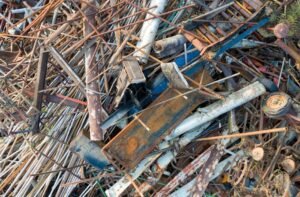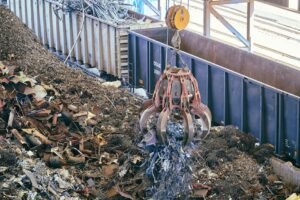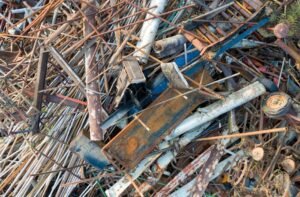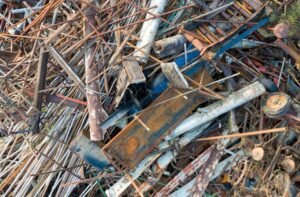

Global scrap metal recycling plays a critical role in sustainable resource management. By reusing materials such as steel, aluminum, and copper, the industry reduces the need for raw material extraction, lowers energy consumption, and mitigates environmental degradation. This guide explores the grades of scrap metal, the step-by-step recycling process, and the environmental and economic benefits of global scrap metal recycling. Whether you’re a business owner or an individual, understanding these concepts can help you contribute to a greener future.
Overview of Global Scrap Metal Recycling
Global scrap metal recycling is a cornerstone of the circular economy, transforming discarded materials into reusable resources. In 2023, the global scrap metal market was valued at over $150 billion, with demand driven by industries seeking cost-effective and sustainable raw materials. The process begins with the collection of scrap metal, which is then sorted, processed, and melted to create new products. Australia, for instance, has robust systems for scrap metal recycling, ensuring efficient resource recovery within the region.
Grades of Scrap Metal
Scrap metal is categorized into grades based on material type, purity, and application. The two primary classifications are ferrous and non-ferrous metals:
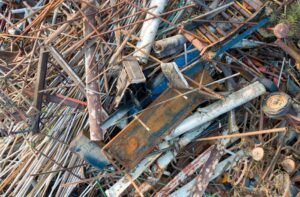
- Ferrous Metals: Contain iron and are magnetic. Common types include steel (used in construction and vehicles), cast iron, and iron-based alloys. Ferrous scrap is the most abundant globally but requires more energy to process than non-ferrous metals.
- Non-Ferrous Metals: Free of iron and non-magnetic. Examples include aluminum, copper, brass, and zinc. These metals are prized for their corrosion resistance and are widely used in electronics, plumbing, and aerospace industries.
Specialized grades, such as shredded auto scrap or industrial machinery, further segment the market. Prices for these grades fluctuate based on global demand, and you can check current scrap metal prices to stay informed.
How Global Scrap Metal Recycling Works
The recycling process involves several stages to ensure efficiency and quality:
- Collection: Scrap metal is gathered from industrial facilities, households, and e-waste centers. B2B scrap metal collection services streamline this for businesses.
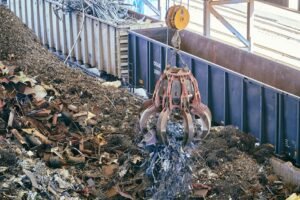
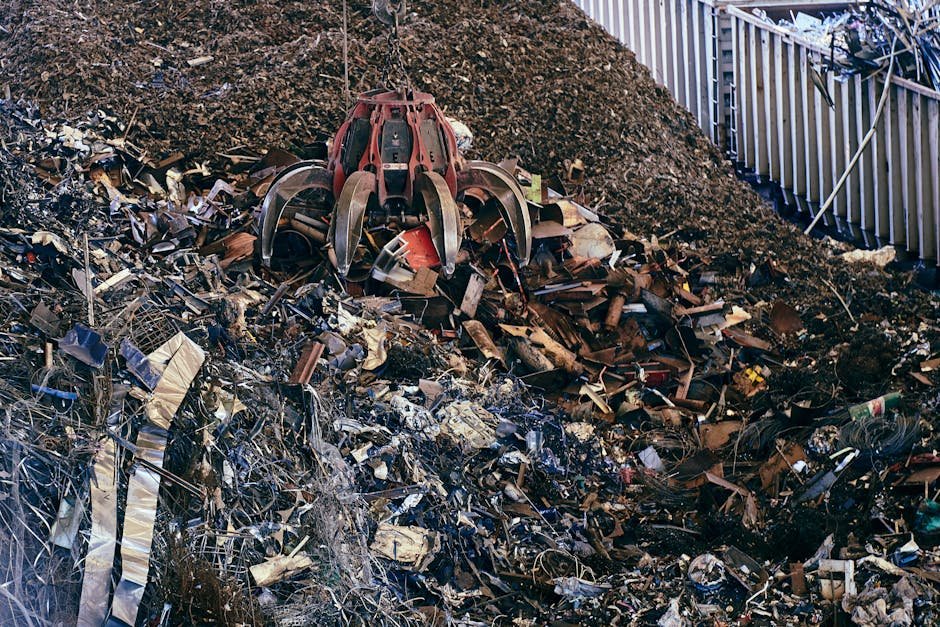
- Sorting: Using magnets, optical sorting, and manual checks, metals are separated into ferrous and non-ferrous categories. Contaminants like plastic or rubber are removed to ensure purity.
- Processing: Metals are shredded, compacted, or baled to maximize transport efficiency. Non-ferrous metals may undergo melting and refining to create ingots or alloys.
- Reusing: Recycled metals are sold to manufacturers for reuse in products like cars, appliances, and construction materials.
For individuals looking to sell scrap metal, understanding these steps can help you prepare materials for optimal value.
Environmental Benefits of Scrap Metal Recycling
Recycling global scrap metal significantly reduces environmental harm. For example:
- Energy Savings: Recycling aluminum saves 95% of the energy required to produce new aluminum from bauxite ore.
- Resource Conservation: Recycling one ton of steel saves 2,500 pounds of iron ore and 1,400 pounds of coal.
- Reduced Emissions: The global steel industry alone could cut 1.5 gigatons of CO2 emissions annually by increasing scrap metal reuse.
By diverting waste from landfills and reducing mining, global scrap metal recycling supports a more sustainable future. For instance, scrap metal recycling near me services in Perth, Australia, exemplify how localized efforts contribute to global goals.
Economic Impact of the Global Scrap Metal Industry
The scrap metal sector is a vital economic driver, employing millions globally and generating billions in revenue. Key benefits include:
- Job Creation: From collection to processing, the industry supports jobs in logistics, manufacturing, and technology.
- Market Stability: Scrap metal acts as a buffer for raw material price volatility, offering cost predictability to manufacturers.
- Export Opportunities: Countries like Australia export high-grade scrap metal to Asia, fostering international trade partnerships.
To stay competitive, businesses and individuals can leverage platforms like Scrap Trade to connect with global buyers and optimize their scrap metal transactions.
Practical Tips for Selling Scrap Metal
If you’re ready to sell scrap metal, follow these steps:
- Categorize Your Materials: Separate ferrous and non-ferrous metals to maximize your payout. For example, copper wiring fetches higher prices than mixed steel.
- Prepare for Sale: Clean materials to remove contaminants like paint or plastic. Scrap metal Perth recyclers often offer better rates for clean, sorted materials.
- Compare Prices: Check scrap metal prices regularly, as they fluctuate based on global markets and supply.
- Choose Reputable Recyclers: Partner with certified recyclers that provide transparent pricing and eco-friendly practices.
For businesses, B2B scrap metal collection services simplify large-volume sales while ensuring compliance with environmental regulations.
Conclusion: Embracing the Future of Global Scrap Metal Recycling
Global scrap metal recycling is more than an environmental necessity—it’s a strategic economic opportunity. By understanding metal grades, supporting efficient recycling processes, and leveraging available resources, individuals and businesses can contribute to a sustainable future. Whether you’re in Perth or another region, platforms like Scrap Trade and ScrapTrade Australia empower you to participate in this vital industry. Together, we can reduce waste, conserve resources, and build a circular economy.
FAQs About Global Scrap Metal
Related: scrap metal perth
Related: b2b scrap metal collection
Frequently Asked Questions
What are the most common grades of scrap metal?
The most common grades are ferrous metals (e.g., steel, cast iron) and non-ferrous metals (e.g., aluminum, copper). Ferrous metals dominate in volume, while non-ferrous metals often command higher prices due to their specialized uses.
What are the environmental benefits of recycling scrap metal?
Recycling conserves natural resources, reduces energy consumption (up to 95% for aluminum), and lowers greenhouse gas emissions by avoiding mining and refining raw materials.
How can individuals find local scrap metal recyclers?
Use online directories or apps like Scrap Metal Recycling Near Me to locate nearby recyclers. In Australia, Scrap Metal Perth is a convenient resource.
Why is global scrap metal recycling important?
It supports a circular economy by reducing waste, conserving finite resources, and lowering the carbon footprint of manufacturing. It also creates economic opportunities across the supply chain.