
Navigating the complex landscape of industrial metal services is essential for Australian businesses looking to optimize their operational efficiency and environmental footprint. Whether you are managing a large-scale demolition project or overseeing a manufacturing facility, understanding the lifecycle of ferrous and non-ferrous metals is critical to your bottom line. By leveraging professional b2b scrap metal services, companies can transform waste streams into revenue while adhering to increasingly stringent environmental regulations.
Understanding the Scope of Industrial Metal Services
Industrial metal services are not merely about clearing out scrap; they involve a sophisticated logistical operation that bridges the gap between industrial output and raw material manufacturing. In Australia, the demand for sustainable material management has never been higher, driven by both circular economy mandates and the rising cost of raw commodities. Professional services providers offer comprehensive solutions, including on-site bin placement, hazardous material identification, and high-volume transport logistics. When you engage with experts, you are essentially outsourcing your waste management to partners who understand the nuances of metal grading and market volatility. This allows your team to focus on core production activities while ensuring that every kilogram of scrap is accounted for and processed according to the highest industry standards. For those seeking immediate assistance, you can easily Sell Scrap Metal Near Me In 2026 through our streamlined digital platform.
The Economic Impact of Proper Metal Recycling
The financial viability of industrial operations often hinges on effective waste recovery. Metals are infinitely recyclable, making them a cornerstone of the circular economy. However, the value of these materials is highly dependent on purity, sorting, and market timing. By utilizing professional scrap metal recycling services, businesses can maximize the yield from their waste streams. Keeping up to date with current Scrap Metal Prices is vital for any procurement or facility manager. When metals are correctly segregated—separating copper from brass, or high-grade stainless steel from mild steel—the market value increases significantly. Industrial metal services provide the necessary infrastructure, such as specialized sorting equipment and analytical tools, to ensure that these materials are processed to meet the stringent requirements of smelters and refineries. This level of precision is what separates a standard waste disposal service from an expert resource recovery partner.
Logistics and On-Site Management Strategies
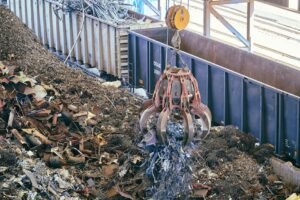
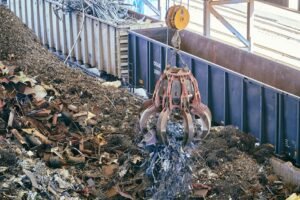
Effective management of industrial scrap requires a strategic approach to logistics. Large-scale projects generate massive volumes of material that can quickly become a safety hazard if not managed correctly. Expert providers offer custom-tailored solutions, including the deployment of industrial-grade skips, roll-off bins, and heavy-duty transport vehicles. In remote or highly active industrial zones, the ability to coordinate timely pickups is paramount. By integrating digital tracking systems, businesses can monitor the flow of their scrap metal, ensuring that collection schedules align with production cycles. This minimizes downtime and reduces the physical footprint of waste on-site. For those looking for local solutions, searching for Scrap Metal Recycling Near Me can connect you with regional experts who understand the specific logistical challenges of your area. Whether you are in a major capital city or a regional industrial hub, the right partner will ensure that your site remains safe, compliant, and efficient.
Compliance and Environmental Stewardship
Environmental compliance is no longer optional; it is a fundamental aspect of modern corporate governance in Australia. Industrial metal services play a crucial role in helping businesses meet their ESG (Environmental, Social, and Governance) targets. By ensuring that scrap is diverted from landfills and returned to the manufacturing cycle, companies significantly reduce their carbon footprint. This process involves the safe handling of metals that may contain contaminants, such as oils, fluids, or hazardous coatings. Professional recyclers are equipped to handle these materials, ensuring that environmental regulations are strictly followed. Partnering with a reputable firm that prioritizes transparency and documentation provides peace of mind, knowing that your waste is being handled responsibly. For more detailed insights into the industry, visit our primary portal at Scrap Trade or explore our dedicated Australian platform at Scrap Trade Australia for localized resources.
Advanced Processing Technologies in Metal Recycling
The technological landscape of metal recycling is evolving rapidly. Modern industrial metal services now utilize advanced technologies like X-ray fluorescence (XRF) analyzers to instantly identify metal alloys with extreme precision. This eliminates the guesswork in grading materials and ensures that the highest possible value is captured. Furthermore, high-capacity shredders and balers are used to densify materials, making transportation more efficient and reducing the overall carbon emissions associated with moving scrap. By utilizing these advanced processing capabilities, industrial partners can ensure that their waste is transformed into clean, furnace-ready feedstock. This level of technical sophistication is essential for industries dealing with complex alloys, such as aerospace, automotive manufacturing, and heavy engineering. Understanding how these technologies work can help you better categorize your own waste streams for maximum return.
Future Trends in the Australian Metal Market
As we look toward 2026 and beyond, the industrial metal services sector is poised for significant transformation. Digitalization is at the forefront, with blockchain-based tracking systems promising total transparency in the supply chain. This means that from the moment a piece of scrap is collected from your site to the moment it is melted down into a new product, every step is documented. Additionally, the shift toward decarbonization in the steel industry is creating a massive demand for high-quality recycled scrap. Companies that establish strong relationships with professional recyclers today will be better positioned to capitalize on these market shifts. The integration of artificial intelligence in sorting facilities will further increase the purity of recycled metals, making them even more valuable to manufacturers. Staying ahead of these trends will ensure that your business remains competitive and sustainable in an ever-changing global market.
Practical Tips for Managing Industrial Scrap
To get the most out of your scrap management program, consider the following practical steps: 1. Implement a clear segregation policy at the source; separate metals by type and grade immediately. 2. Educate your staff on the value of different metals to prevent cross-contamination. 3. Maintain an inventory of your scrap volume to better negotiate pricing with your service provider. 4. Schedule regular audits of your waste management processes to identify potential improvements. 5. Leverage digital platforms to track market prices and optimize the timing of your sales. By treating your scrap as a valuable raw material rather than waste, you shift your perspective from cost-center to profit-center. Engaging with a professional partner who offers comprehensive industrial metal services is the most effective way to implement these strategies consistently and profitably across your entire organization.
Frequently Asked Questions
What is the primary benefit of professional industrial metal services?
Professional services provide efficient collection, accurate sorting, and higher financial returns on scrap material while ensuring full regulatory compliance.
How do scrap metal prices impact industrial operations?
Scrap metal prices fluctuate based on global demand and commodity markets. Tracking these prices allows businesses to time their sales for maximum profitability.
Why is on-site segregation important for industrial scrap?
On-site segregation prevents cross-contamination of different metal alloys, which significantly increases the resale value and efficiency of the recycling process.
How can my business ensure environmental compliance when disposing of metal?
By partnering with licensed recyclers who provide full documentation and adhere to Australian environmental standards, you ensure that your waste is processed responsibly and sustainably.