
Understanding scrap metal prices today is essential for anyone looking to sell metal quickly, negotiate the best rate, or plan a recycling strategy that maximises profit.
How Prices Are Determined
The Australian scrap market follows a transparent pricing model that updates every 24 hours. Prices are quoted as a price per kg or price per tonne and are derived from three core data streams:
- International commodity futures: London Metal Exchange (LME) and Shanghai Futures prices set the baseline for steel, copper, aluminium, and zinc.
- Domestic supply‑demand balance: Seasonal construction activity, manufacturing output, and export volumes shift the local premium.
- Grade specifications: Clean, uncoated, or alloy‑rich scrap commands higher rates than mixed, contaminated loads.
These inputs are compiled by major processors, who then publish the Scrap Metal Prices on their websites. The published figure is the market rate that you can expect when you bring material to a licensed recycler.
Key Factors That Influence the Market Rate
While the baseline comes from global futures, five local variables can swing the price per kg dramatically on any given day:
- Currency fluctuations: A stronger Australian dollar reduces the dollar‑denominated import cost of raw metal, lowering local scrap rates.
- Industrial demand spikes: A surge in construction or automotive production creates immediate buying pressure, raising prices.
- Export restrictions: Tariffs on steel or aluminium shipments to China or Southeast Asia can tighten domestic supply and lift rates.
- Seasonal weather: Heavy rains slow collection logistics, temporarily depressing prices in affected regions.
- Regulatory changes: New environmental compliance standards may increase processing costs, which are passed onto sellers.
Monitoring the Current Scrap Metal Prices page lets you react instantly when any of these factors shift.
Grades of Scrap and Their Impact on Price per kg
Not all scrap is created equal. Processors sort metal into distinct grades, each with its own market value. Below is a quick reference you can use when evaluating a load:
- Clean ferrous (e.g., #1 steel): Free of paint, oil, or contaminants – typically the highest price per kg.
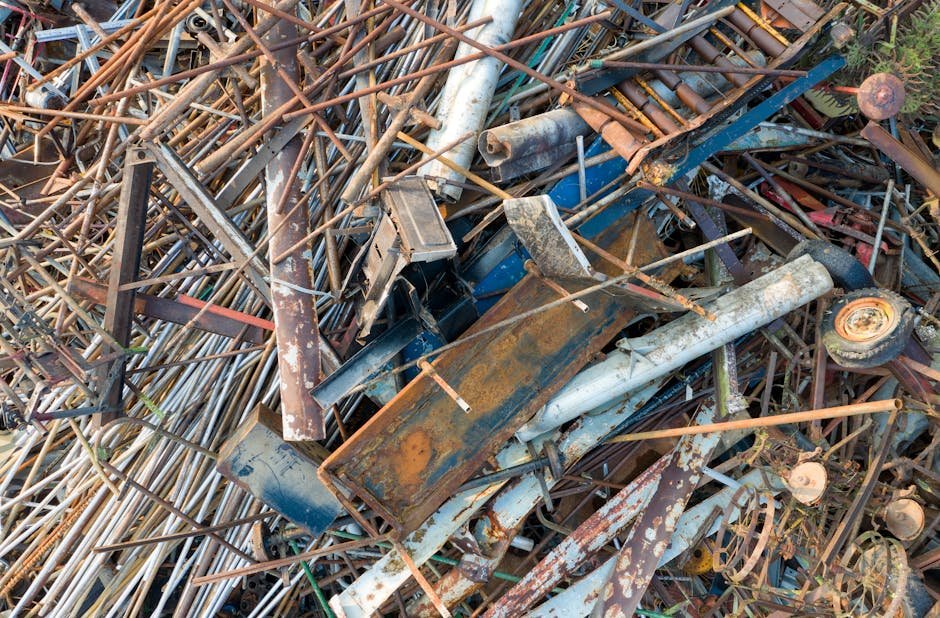
- Mixed ferrous (e.g., #2 steel): Includes rusted or painted pieces – lower rate but still profitable.
- Aluminium alloys: 6061, 7075, and other high‑grade alloys fetch premium rates compared with raw aluminium cans.
- Copper wire and tubing: Bare copper commands the top price per tonne; insulated wire is discounted for the plastic coating.
- Non‑ferrous mixed: Brass, nickel, and zinc are priced per the prevailing market for each metal, often listed under scrap metal prices per ton.
When you know the exact grade, you can quote a more accurate figure and avoid the common pitfall of under‑pricing your material.
Why Recycle Now? Environmental and Financial Benefits
Recycling scrap metal today does more than pad your bottom line; it delivers measurable environmental gains. Every tonne of steel saved reduces CO₂ emissions by up to 1.8 tonnes, conserves 1,500 kg of iron ore, and eliminates the need for 1,400 L of water. For businesses, the financial upside is immediate:
- Turn idle metal into cash at the current market rate.
- Benefit from government incentives for documented recycling volumes.
- Enhance corporate sustainability reporting with verifiable waste‑reduction data.
By acting now, you lock in today’s rates before any market correction pushes prices lower.
Take Action – Get the Best Quote for Your Scrap
Ready to convert your metal into cash? Follow these three steps to secure the highest possible return based on scrap metal prices today:
- Visit the official Scrap Trade platform and check the live price board.
- Sort your load by grade using the guide above, then contact a nearby licensed processor via the Scrap Metal Prices Near Me page.
- Arrange a same‑day pickup and receive payment on the spot – most processors pay by EFT or cash within 24 hours.
Don’t wait for the next market swing. The rates you see now reflect the latest current scrap metal prices and will be the benchmark for your transaction.
For a deeper dive into pricing methodology, read the Ultimate Guide to scrap metal prices in Australia. It explains how futures, freight costs, and processing fees converge into the figures you see on the screen.
Need a quick comparison across regions? Our Current Scrap Metal Prices dashboard aggregates data from every major recycler, giving you a national snapshot in seconds.
Take the first step toward turning waste into revenue – click the link to the Australian scrap metal marketplace and request a free price quote today.
Frequently Asked Questions
How often are scrap metal prices updated?
Prices are refreshed daily, usually every morning, to reflect the latest global commodity movements and local supply‑demand shifts.
Can I get paid for mixed scrap, or does it have to be sorted?
Mixed scrap is accepted, but sorting into higher‑grade categories can increase the price per kg you receive.
Do I need a licence to sell scrap metal in Australia?
Only licensed processors can purchase scrap commercially; as a seller you simply need to provide proof of ownership and comply with local reporting rules.
What payment methods do recyclers use?
Most recyclers offer electronic funds transfer (EFT), direct deposit, or cash on the spot, with payment typically processed within 24 hours of delivery.