
Finding reliable local scrap yards is the first step for any Australian household, tradie or demolition company that wants to turn waste metal into cash while keeping the country’s landfill footprint low. This authoritative guide explains exactly how yards grade material, what you can expect to be paid, how the recycling chain works and the environmental wins that follow when you choose to recycle rather than dump.
1. What Happens at Local Scrap Yards?
When you arrive at a Scrap Yards site, the process is surprisingly fast. A licenced metal recycler will direct you to the weighbridge, take a small sample of your load, identify the alloy and then apply the current daily price. Clean copper pipe, for example, will fetch a far higher rate than brass-plated fittings or mixed-turnings. Most depots now issue instant eftpos or bank transfer so you can walk-in, unload and leave with money in your account within minutes.
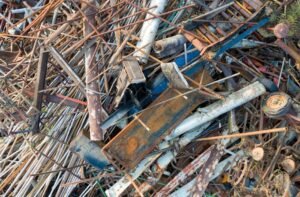
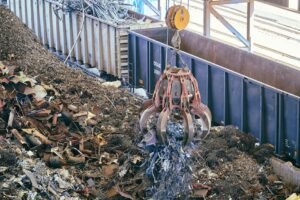
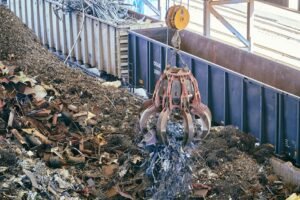
Modern recycling depots are not dirty junk piles; they are highly regulated facilities with radiation detectors, nitrogen-atmosphere shredders and water-treatment plants. Everything is geared to separate the valuable metal from contaminants such as plastic sheathing, wood or asbestos. Once processed, the shredded material is containerised and railed to Port Kembla, Whyalla or overseas smelters where it becomes new rebar, car parts or mobile phones.
2. Ferrous vs Non-Ferrous: How Yards Grade Your Metal
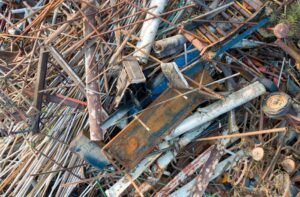
Understanding grades is crucial if you want to maximise payment and avoid the disappointment of having your “bright shiny copper” downgraded to “burnt copper” because it still has solder joints. Below is the hierarchy most local scrap yards follow, aligned with global specifications from the Institute of Scrap Recycling Industries (ISRI).
2.1 Ferrous grades (magnetic steels and irons)
- Heavy Melting Steel (HMS 1/2): 6 mm+ thick, no galvanising, under 0.3 m². Premium price.
- Plate & Girder (P&G): Cut structural steel, max 1.5 m, clean of concrete.
- Rebar: Must be free of concrete and tied wire; length limits apply.
- Shredded scrap: Post-shredder, density > 0.8 t/m³, almost zero non-metallics.
- Busheling: Clean new factory off-cuts, mostly auto-stampings, no rust.
2.2 Non-ferrous grades (non-magnetic)
- Millberry Copper: Bare bright wire <1 mm, uncoated, 99.9% Cu.
- Birch Cliff (Cu #2): Clean copper pipe, no solder, max 0.3% other elements.
- Aluminium Extrusion 6063: Painted OK, no steel screws or thermal-break plastic.
- Aluminium Wheels: Must have no tyres, valve stems OK.
- Stainless 304 Solids: No magnetic back, minimum 8% Ni.
Most operators will downgrade mixed loads by default. Pre-sorting into labelled buckets or cages can add 20–40 c per kg for copper and 10–15 c per kg for aluminium. Ask for the assay print-out if you suspect under-grading; reputable scrap yards near me happily provide it.
3. How Scrap Metal Recycling Works: From Bin to Billet
The recycling loop has seven clear stages:
- Collection: Households, demolition sites and factories deliver to a local scrap metal yards or request a skip.
- Weighing & Testing: X-ray fluorescence guns give instant chemistry; weighbridge records gross and tare.
- Processing: Shears, balers and shredders reduce volume and liberate contaminants.
- Separation: Eddy-current, magnetic and sensor-based sorters split copper, aluminium, zinc and steel.
- Quality Control: Laboratory melts verify that the melt chemistry meets smelter contracts.
- Export/ Domestic Smelt: Container loads sail to Korea, India or travel by rail to Port Kembla.
- Manufacturing: Recycled metal is rolled, extruded or cast into new products, using up to 95% less energy than virgin ore.
Recycling aluminium saves 14 kWh per kg compared with bauxite mining; for steel the figure is 1.1 MWh per tonne. Those energy savings translate directly into lower Scope 1 and Scope 2 carbon emissions, helping Australia meet its 2030 Paris targets.
4. Environmental Benefits: Why Your Trip to the Yard Matters
Every tonne of steel that bypasses landfill keeps 1.8 tonnes of iron ore in the ground and prevents 0.7 tonnes of CO₂. Copper recycling avoids mine tailings that can leach into the Clarence River and the Great Barrier Reef catchment. In urban areas, metal recycling lowers fire risk from stockpiled lithium-ion batteries and reduces the heavy-metal leachate that can contaminate groundwater.
Local governments now factor these benefits into waste levies. In NSW the EPA gate fee is $145 per tonne, while clean metal delivered to a recycler is exempt. That differential alone can justify a 30 km drive to the nearest depot. The ScrapTrade platform shows you carbon-saved metrics every time you book a pickup, turning intangible benefits into verified kilograms of CO₂ equivalent.
5. How to Find and Compare Local Scrap Yards
Google “scrap yards near me” and you’ll see a map full of pins, but not every operator offers fair weight, prompt payment or environmental licences. Use this checklist before you commit:
- EPA licence number: Search the public register to confirm it matches the depot address.
- Weighbridge certification: NMI stickers should be current (renewed every 12 months).
- Payment terms: same-day EFT is standard; avoid cheques.
- Public liability insurance certificate: protects you if your vehicle is damaged on site.
- Scales calibration certificate: Ask to see the last audit.
For a dynamic list that updates prices and opening hours, visit Local Scrap Yards In 2026. The page includes user ratings and photos of each yard’s receiving area so you know whether you need to tarp your load or if covered unloading bays are provided.
6. Price Drivers: What Makes Rates Move Weekly?
Scrap prices are not plucked from thin air; they track the London Metal Exchange (LME), currency moves, shipping container rates and Chinese blast-furnace capacity. When the AUD slides against the USD, exporters earn more in local currency and can pay you more. Conversely, if Shanghai warehouse stocks of copper rise, buyers scale back orders and yards drop their gate prices within days.
Seasonal factors matter too. December brings a pre-Christmas dip as smelters close for maintenance, while March sees restocking and higher numbers. If you can stockpile clean, non-ferrous grades in a dry shed for six weeks, you often gain 5–7%. Just ensure your material does not oxidise; green verdigris on copper chops will cost you an entire grade.
7. Safety & Legal Obligations When You Buy and Sell
In Victoria it is illegal to pay cash for scrap; the Scrap Metal Industry Act 2018 mandates bank transfer or cheque. All sellers must present photo ID (driver licence or passport) and have their details entered onto the ScrapWatch database. The same law requires yards to hold CCTV footage for 30 days and to tag each load with a unique transaction number.
Personal protective equipment is not just for staff. You must wear high-vis, closed boots and eye protection when unloading. Gas cylinders, lithium batteries and sealed drums are classified as hazardous and attract a $1,500 instant EPA fine if they enter the metal stream. Ask the yard’s environmental officer for the regulated waste manifest if you are unsure.
8. Business Opportunities: Turning Scrap into a Side Hustle
A small box trailer, an angle-grinder and a free weekend can yield $300–$500 if you target the right waste streams. Renovation sites generate copper off-cuts, aluminium window frames and stainless bench tops. Always ask the builder for written permission and provide a copy of your public liability policy. Once you build trust, many will allow you to place a 2 m³ bin on site for a flat weekly rate; you collect the bin, sort at home and deliver to a local scrap yards when prices spike.
Scaling up, you can apply for an Australian Business Number (ABN) and negotiate 30-day terms with demolition contractors. The secret is accurate segregation: a kilo of brass taps mixed into your copper #2 can downgrade the entire 1 tonne parcel. Invest in a $550 handheld XRF analyser; payback is <30 tonnes of correctly graded copper.
9. Future Trends: Smart Yards, Smart Grades
Artificial intelligence is arriving fast. Camera arrays above conveyor belts now train neural networks to recognise 300+ alloys in milliseconds, pushing grade accuracy above 98%. Blockchain manifests are being trialled to reassure global smelters that metal is not linked to conflict zones. If you want to understand how these innovations affect price transparency, read What Scrap Trade Actually Is.
Drone stockpile surveys cut measurement time from two hours to 15 minutes, meaning yards can re-price inventory daily instead of weekly. For suppliers, this translates into faster reaction times and potentially higher returns if you deliver just before a price uptick.
10. Practical Tips to Maximise Cash at the Gate
- Strip plastic coating from copper cable using an inexpensive stripper; the price differential between 70% recovery insulated wire and 99% bare bright is $5–$7 per kg.
- Drain all fluids from engines and gearboxes. Oil residue can push your load into the “mixed irony” bracket and cost $80 per tonne.
- Cut rebar to 1 m lengths; yards apply a $10 per tonne “oversize” penalty otherwise.
- Separate zinc, aluminium and die-cast. Zinc looks like aluminium but is 60% heavier; mixing the two triggers the lowest price.
- Bring your own forklift if you have more than 2 tonnes; queue times can exceed 90 minutes on Saturdays.
- Keep an eye on live pricing feeds at Scrap.Trade; lock in a price by phone before you leave home.
Conclusion: Your Next Step Towards Greener Metal Recovery
Australia’s local scrap yards are sophisticated, price-transparent and environmentally critical. Whether you are a plumber with a ute-load of copper cylinders or a project manager overseeing a 500 tonne demolition, the principles are identical: sort clean, deliver early and verify weights. Doing so keeps valuable metal in circulation, slashes carbon emissions and puts money back into your pocket. Use the links, tools and checklists in this guide every time you buy and sell, and you will never leave value on the scale again.
Frequently Asked Questions
- What ID do I need to sell scrap in Australia?
- All states require government-issued photo ID such as a driver licence or passport. Some depots also scan your fingerprint to meet police reporting rules.
- Can I negotiate prices at local scrap yards?
- Yes, if your load is clean, sorted and exceeds half a tonne you can usually secure the “yard special” or spot price instead of the posted gate rate.
- Is it worth stripping insulation from copper cable?
- Absolutely. The price jump from 70% recovery insulated wire to 99% bare bright often exceeds $5 per kg, paying for a simple stripper after 20 kg.
- How do I find scrap yards near me that pay the same day?
- Use the scrap yards near me directory which filters for same-day EFT, weekend opening and weighbridge certification.