
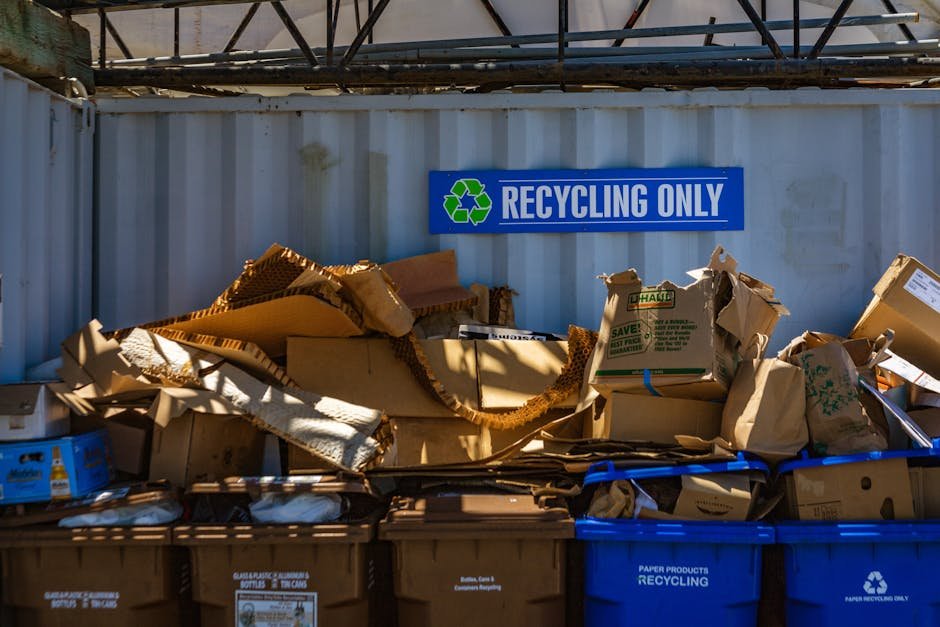

When searching for recycling for cash near me, you are entering a sophisticated commodities market where precision, timing, and material integrity dictate your profit margins. Understanding the Australian scrap metal landscape requires more than just finding a nearby recycler; it demands a strategic approach to how you collect, process, and present your materials. Whether you are a trade professional clearing a job site or a homeowner cleaning out a garage, the difference between a minor payout and a significant financial return lies in your ability to categorize metals correctly. By engaging with a professional scrap metal trading expert, you can ensure your materials are processed according to the highest industry standards. The process of recycling for cash near me is not just about disposal; it is about participating in a circular economy that recovers valuable raw materials for local manufacturing.
Understanding Market Dynamics and Metal Valuation
The value of scrap metal fluctuates daily based on the London Metal Exchange (LME) and local Australian demand. To succeed in Scrap Metal Recycling Near Me, you must understand the difference between ferrous and non-ferrous metals. Ferrous metals, such as steel and iron, are magnetic and generally trade at lower volumes but higher weights. Non-ferrous metals, including copper, aluminium, brass, and stainless steel, are the high-value targets that drive significant profit. When you visit a Metal Recycling Near Me facility, the staff will first test your load with a magnet. If your copper pipes are contaminated with plastic or steel fittings, the recycler will downgrade the load to a lower price point. This is known as ‘dirty’ scrap. To maximize your returns, you must strip insulation from copper wires and remove non-metallic attachments. The most successful traders maintain a clean sorting area on-site, separating metals into distinct bins before they ever reach the yard. This preparation saves time and ensures you receive the ‘clean’ price, which is often 30-50% higher than the mixed or ‘dirty’ rate. Furthermore, monitoring local industrial trends can help. When local construction projects are booming, demand for copper and aluminium rises, often leading to better spot prices at your local scrap yard.
Logistics: Finding the Right Partner for Local Pickup
For large-scale operations, transporting heavy scrap can be the biggest hurdle. Many businesses searching for recycling for cash near me fail to account for the cost of fuel and time spent hauling materials. This is where professional logistics support becomes essential. A high-quality Australian scrap trading platform can often coordinate a local pickup service, which is a game-changer for contractors and demolition crews. When evaluating a service provider, inquire about their bin rental programs. A reputable recycler will drop off industrial-grade bins at your site, allowing you to sort materials as you work. This ‘source separation’ is the single most effective way to increase your scrap value. By the time the truck arrives for collection, your material is already graded and ready for the weighbridge. Avoid providers who offer a flat ‘bulk’ rate for unsorted scrap; this almost always results in a lower payout than if you had separated your metals. Instead, look for partners who provide a detailed itemized receipt, breaking down the weight and price per category. This transparency is the hallmark of a professional operator and allows you to track your profitability on every job.
The Importance of Core Metal Recycling
Not all scrap is destined for the furnace. In many instances, specific components can be refurbished or remanufactured, which falls under the umbrella of Core Metal Recycling. This sector focuses on high-value parts like automotive alternators, starter motors, and industrial transmissions. These items contain rare earth elements and complex alloys that are far more valuable than their raw metal weight. When you identify these ‘cores,’ do not throw them into the general scrap bin. Separate them and inform your recycler that you have cores for trade. This specialized market requires a deeper level of knowledge, but the financial rewards are substantially higher. If you are dealing with industrial machinery, always check if the components have a ‘core value’ before allowing them to be shredded. This is a critical distinction that separates amateur scrappers from professional metal traders. By treating your scrap as a collection of assets rather than waste, you shift your entire business model toward higher profitability.
Safety, Compliance, and Environmental Responsibility
Operating in the Australian scrap industry carries significant legal and environmental responsibilities. When you look for a nearby recycler, ensure they are fully licensed and compliant with state-based environmental protection agencies. Unlicensed operators often bypass safety protocols, which can lead to soil contamination and legal liability for the scrap generator. A professional yard will have concrete pads, oil-water separators, and proper ventilation systems to handle hazardous materials like lead-acid batteries or fluids from automotive scrap. Always wear appropriate PPE, including gloves, steel-toed boots, and high-visibility clothing, when handling scrap. The physical nature of this work involves sharp edges, heavy loads, and moving machinery. Furthermore, be aware of the ‘cash for scrap’ laws in your state. Many Australian jurisdictions have strict regulations regarding how payments are made to prevent the trade of stolen goods. Expect to provide valid identification and potentially a bank account for electronic transfer, as many yards have moved away from cash-in-hand transactions to ensure traceability and compliance. Choosing a compliant partner protects you from potential legal issues and ensures that your materials are being recycled in a way that minimizes environmental impact.
Maximizing Payouts: Strategies for the Modern Trader
To truly master the art of recycling for cash near me, you must treat your scrap collection like a retail business. First, timing is everything. If you have a large volume of non-ferrous metal, call your local yard and ask for a ‘spot price’ or a volume incentive. Many yards will offer a premium for consistent, clean, and large-quantity deliveries. Second, keep a log of your scrap sales. By tracking your weight and the price per kilogram over time, you can identify patterns and decide when it is most profitable to sell. Third, invest in a reliable set of digital hanging scales. Knowing exactly what your load weighs before you arrive at the yard prevents discrepancies and helps you build trust with the yard manager. If you are a recurring customer, build a relationship with the staff. A manager who knows you are a consistent, honest, and organized seller is more likely to give you the benefit of the doubt on borderline loads. Finally, consider the geography of your scrap. Sometimes, driving an extra 20 minutes to a larger, more specialized facility is worth the fuel costs if they offer a significantly better price for specific high-value alloys. Evaluate your options based on the total net profit after all costs are accounted for, not just the distance to the nearest yard.
Building a Sustainable Scrap Revenue Stream
The long-term goal for any business or individual is to turn scrap metal into a reliable revenue stream. This involves integrating scrap management into your daily workflow. For contractors, this means placing scrap bins in high-traffic areas and training staff to separate materials on the spot. For manufacturers, it means auditing your waste stream to identify high-value offcuts that can be recovered. By consistently applying these principles, you move away from viewing scrap as a burden to be cleared and toward viewing it as a valuable asset that contributes to your bottom line. Remember that the market for recycling for cash near me is highly competitive, and the best prices go to those who provide the cleanest, most organized, and most reliable supply of materials. Stay informed about global commodity trends, maintain strong relationships with your local recyclers, and never stop refining your sorting processes. As the global demand for recycled metals continues to grow, your ability to efficiently manage and trade these materials will become an increasingly valuable skill set. By focusing on quality over quantity and building a reputation for excellence, you ensure that you are always getting the best possible value for your materials, regardless of market volatility. The future of the Australian economy depends on the circularity of its resources, and by participating in this market, you are not only securing your own financial success but also contributing to a more sustainable industrial future for the entire nation.
Related: Cash for Metal Recycling
Frequently Asked Questions
What is the most valuable metal I can recycle for cash?
Copper is consistently the most valuable common scrap metal due to its high demand in electrical and plumbing industries. Other high-value metals include brass, aluminium, and specialized alloys found in automotive cores.
Does cleaning my scrap metal actually increase the payout?
Yes, significantly. Removing plastic, rubber, steel screws, and other contaminants ensures your metal is graded as ‘clean,’ which commands a much higher price per kilogram than ‘dirty’ or mixed loads.
Why do some scrap yards require ID for cash payments?
Australian states have implemented strict regulations to prevent the trade of stolen goods. Providing identification is a legal requirement that helps the industry maintain transparency and traceability.
How often do scrap metal prices change?
Scrap metal prices are linked to global commodity markets like the London Metal Exchange and can fluctuate daily. It is advisable to check current rates with your local yard before hauling a large load.