
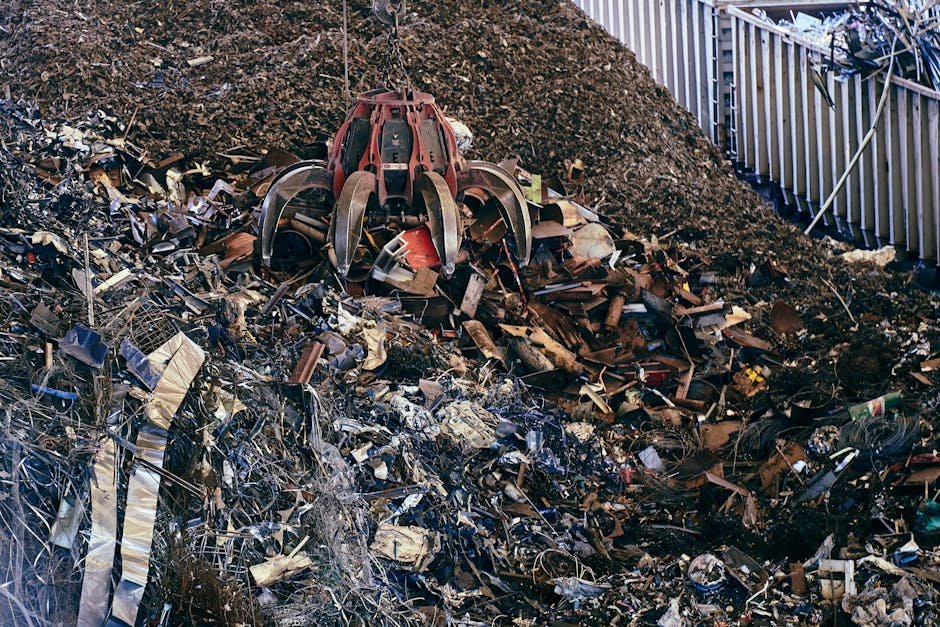

Operating within the dynamic Sajaa scrap market requires a sophisticated understanding of global commodity fluctuations and local processing capabilities. As an industrial nerve center, this region acts as a primary gateway for scrap collection, refinement, and distribution, bridging the gap between raw industrial waste and high-grade secondary raw materials. Whether you are a local yard operator or an international trader, navigating the complexities of this market is essential for maintaining a competitive edge in the global circular economy.
Understanding Scrap Metal Grades and Classification
The foundation of any successful operation in the Sajaa scrap market lies in the precise identification and grading of materials. Ferrous metals, primarily iron and steel, are categorized based on their chemical composition, thickness, and level of contamination. Professionals must distinguish between HMS 1 and 2, shredded steel, and turnings to ensure compliance with international mill standards. For a detailed breakdown of these classifications, refer to our Scrap Steel Market Guide: Grades, Recycling & Prices 2024, which provides the necessary technical specifications for modern recycling facilities.
Non-ferrous metals, including copper, aluminum, brass, and lead, command significantly higher price points but require more stringent purity standards. In the Sajaa region, exporters often deal with complex alloys, particularly those sourced from high-tech industries. When handling specialized materials, traders should consult the Aerospace Scrap Materials Market Guide to understand the rigorous requirements for titanium, inconel, and high-strength aluminum alloys. Proper grading is not merely a technical requirement; it is a financial imperative that prevents downgrading at the point of sale.
The Mechanics of Industrial Scrap Recycling
Recycling in the Sajaa scrap market is a multi-stage process designed to transform heterogeneous waste into uniform, high-value feedstock. The process begins with collection and logistics, where scrap is aggregated from demolition sites, manufacturing facilities, and automotive dismantlers. Once on-site, the material undergoes mechanical sorting. Advanced facilities utilize magnetic separators for ferrous metals, eddy current separators for non-ferrous recovery, and X-ray fluorescence (XRF) analyzers to determine exact alloy compositions.
After sorting, the material is processed through shearing, shredding, or baling. Shredding is particularly critical in the Sajaa landscape, as it reduces bulk density and facilitates the removal of non-metallic contaminants like plastics, rubber, and glass. This high-density output is preferred by steel mills and foundries because it melts more efficiently in electric arc furnaces (EAF). For those looking to optimize their logistics, our partners at Australian metal recycling experts offer insights into how local processing standards align with global demand. By maintaining clean, consistent bales, traders ensure their product remains marketable even during periods of low industrial output.
Strategic Trading and Global Market Integration
Success in the Sajaa scrap market is inextricably linked to global trade dynamics. Because local demand can fluctuate, many operators look toward international markets to move surplus inventory. Understanding the regulatory environment, shipping logistics, and currency hedging is vital for long-term sustainability. If you are looking to expand your reach, our Exporting Scrap To Asia Market Guide provides a comprehensive framework for navigating international trade barriers and building long-term relationships with overseas smelting facilities.
Timing is the most significant factor in profit maximization. The scrap market is notoriously volatile, influenced by iron ore prices, energy costs, and geopolitical shifts. Traders who rely on guesswork often fail, while those who utilize data-driven approaches thrive. We recommend visiting our primary resource hub to access real-time market data and analytical tools. Learning How To Time The Scrap Market For Maximum Profit is a foundational skill that separates high-volume, profitable operations from those struggling with margin compression. By monitoring the LME (London Metal Exchange) and local index pricing, you can make informed decisions about when to hold stock and when to liquidate.
Environmental Benefits and Regulatory Compliance
The Sajaa scrap market plays a pivotal role in the global transition toward a circular economy. Recycling scrap metal consumes significantly less energy than extracting virgin ore—for example, recycling aluminum saves approximately 95% of the energy required for primary production. This reduction in energy consumption directly correlates to lower greenhouse gas emissions, making the scrap industry a cornerstone of modern climate policy. Operators in the Sajaa region are increasingly adopting sustainable practices, such as solar-powered processing equipment and water-recycling systems for dust suppression, to minimize their environmental footprint.
Regulatory compliance is another critical pillar. Authorities are placing greater emphasis on the traceability of scrap materials, particularly concerning hazardous waste contamination. Ensuring that your facility meets international environmental standards (such as ISO 14001) not only protects the local ecosystem but also opens doors to premium buyers who require proof of ethical sourcing. By prioritizing transparency and environmental stewardship, businesses in the Sajaa scrap market can secure their social license to operate while simultaneously building a brand that appeals to modern, ESG-conscious investors and partners.
Operational Excellence: Scaling Your Scrap Business
Scaling a business within the Sajaa scrap market requires more than just access to material; it requires operational excellence. Efficiency in the yard is determined by material flow, equipment maintenance, and staff training. A cluttered, disorganized yard leads to cross-contamination, which can turn a high-value load into a low-value commodity overnight. Implement strict zoning policies where different grades of metal are stored in clearly marked, isolated bays. Utilize digital inventory management systems to track incoming and outgoing tonnage in real-time, allowing for better decision-making regarding warehouse capacity and cash flow.
Furthermore, investing in high-quality processing equipment—such as heavy-duty shears, balers, and mobile cranes—pays for itself through reduced labor costs and higher material density. When equipment breaks down, it creates a bottleneck that can halt your entire operation. Establish a preventative maintenance schedule to ensure that your machinery is always running at peak performance. Remember that in the scrap industry, downtime is the enemy of profit. By focusing on internal efficiency, you prepare your business to handle larger volumes and more complex contracts, ultimately allowing you to compete with larger, more established players in the Sajaa region.
Future Trends: Technology and the Digital Scrap Yard
The future of the Sajaa scrap market is digital. We are seeing a rapid shift toward automated grading using artificial intelligence and computer vision. These technologies can identify materials faster and more accurately than the human eye, reducing the risk of human error and contamination. Additionally, blockchain technology is being explored as a means to create immutable audit trails for scrap, ensuring that material origin and quality are verified from the point of collection to the final smelting furnace. As these technologies become more accessible, early adopters will gain a significant competitive advantage.
Another emerging trend is the focus on “urban mining,” where scrap is recovered from complex electronics and end-of-life infrastructure. This requires specialized knowledge in precious metal recovery, such as gold, silver, and palladium found in circuit boards and connectors. While the initial investment for this type of processing is higher, the margins are substantially greater than traditional steel or aluminum recycling. By diversifying your intake to include these high-value streams, you insulate your business from the volatility of the bulk steel market. Stay informed, stay agile, and continue to refine your processes to ensure that your business remains at the forefront of the evolving Sajaa scrap market landscape.
Frequently Asked Questions
What are the primary factors affecting scrap prices in the Sajaa market?
Scrap prices are primarily driven by global commodity indices like the LME, local demand from steel mills, and transportation costs. Fluctuations in iron ore pricing and energy costs also significantly impact the profit margins for ferrous and non-ferrous materials.
How can I ensure my scrap metal is graded correctly for higher returns?
Proper grading requires the removal of all contaminants like plastics, rubber, and non-metallic debris. Using XRF analyzers for non-ferrous metals and adhering to standard industry classification sheets for steel ensures you receive the highest possible market rate.
What role does the Sajaa scrap market play in international trade?
The Sajaa market acts as a vital consolidation hub where raw scrap is processed into high-grade secondary materials for export. It connects local collection networks with global smelting facilities in Asia and beyond, facilitating the international circular economy.
Why is it important to focus on environmental compliance in scrap recycling?
Environmental compliance is crucial for meeting international ESG standards and avoiding heavy regulatory fines. Modern buyers prioritize suppliers who can prove sustainable processing methods, which ultimately helps in securing long-term, high-value contracts.