
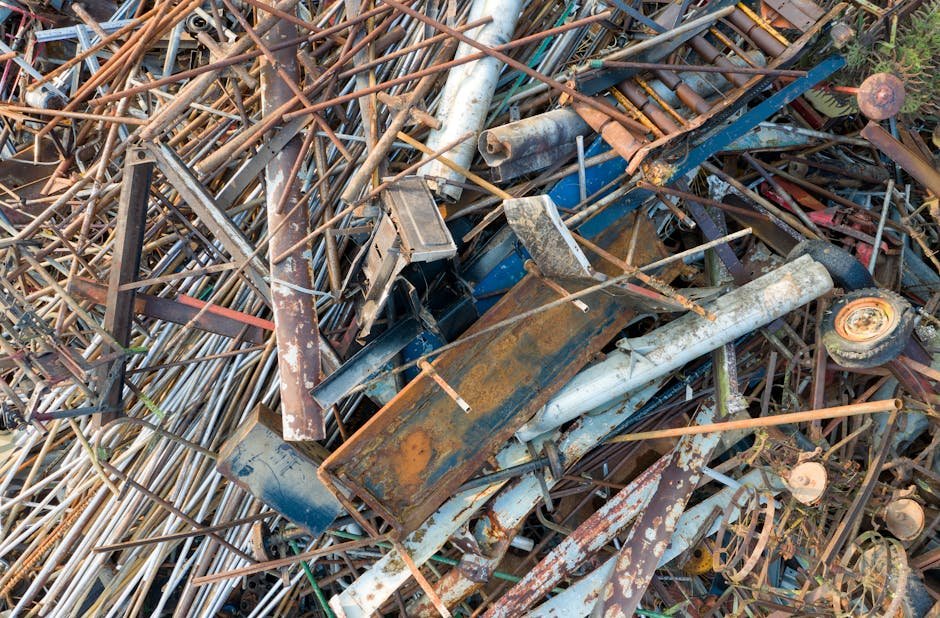

Finding the right location for sale scrap metal near me is a critical step for both industrial contractors and residential renovators looking to maximize the value of their waste materials. In the Australian market, the difference between a profitable recycling run and a wasted trip often comes down to understanding how to grade your metals and choosing the right partner. Whether you are clearing out a demolition site or managing ongoing industrial waste, navigating the logistics of a Metal Scrap Yard Near Me requires a strategic approach. This guide serves as A Complete Guide to Sale Metal Scrap: Recycling & Trading, designed to help you streamline your operations and ensure you receive fair compensation for your commodities. When you search for sale scrap metal near me, you are not just looking for a drop-off point; you are looking for a facility that understands the nuances of global commodity pricing and local environmental regulations. By partnering with experts like Crg Scrap Metal, you ensure that your materials are handled according to the highest industry standards, contributing to a circular economy that benefits both your bottom line and the Australian environment.
Understanding Metal Grades and Their Value
The scrap metal industry operates on a highly standardized grading system that dictates the value of your haul. Understanding these grades is the most effective way to ensure you are paid correctly. Non-ferrous metals, which do not contain iron, are generally the most valuable. This category includes copper, brass, aluminium, lead, and stainless steel. Copper, for instance, is graded based on purity; ‘bright and shiny’ copper wire fetches the highest price because it requires minimal processing to be reused in manufacturing. Conversely, ‘burnt’ copper wire or copper containing solder or insulation will be downgraded, significantly impacting your payout.
Ferrous metals, such as steel and iron, are graded based on their thickness, density, and presence of contaminants. Heavy melting steel (HMS) is a primary grade that is highly sought after by mills for its efficiency in the furnace. Light iron, which includes thin-gauge items like household appliances or sheet metal, is less valuable due to higher oxidation rates and lower yield during melting. When searching for a nearby recycler, ask about their specific grading criteria. Some yards may offer premium pricing for ‘prepared’ scrap—materials cut to specific dimensions—while others may accept ‘unprepared’ scrap at a lower rate. Always check Scrap Metal Prices before heading out to ensure you have a baseline expectation for your specific grade of metal.
Contamination is the silent profit killer in scrap metal trading. A load of high-quality aluminium contaminated with plastic, rubber, or excessive steel bolts will often be reclassified as ‘dirty’ or ‘mixed’ scrap. This reclassification can drop the value of your entire load by 30% to 50%. Always invest the time to strip insulation from wires, remove steel fittings from aluminium extrusions, and separate different alloys into distinct bins. This level of diligence transforms your scrap from a nuisance into a high-value commodity.
The Recycling Process: From Yard to Mill
The journey of scrap metal from your hands to a new product is a sophisticated industrial process. Once you drop your materials at a local scrap yard, the facility acts as a processing hub. The first step is identification. Using advanced technologies like X-ray fluorescence (XRF) analyzers, yard operators can instantly determine the exact chemical composition of an alloy. This ensures that the metal is sorted into the correct stream, preventing costly cross-contamination in the smelting process.
After identification, the metal undergoes mechanical processing. Large-scale shredders can reduce entire vehicles or industrial machinery into fist-sized pieces of metal in seconds. Magnetic separators are then used to pull ferrous metals out of the mix, while eddy current separators use magnetic fields to repel and eject non-ferrous metals. For larger items, hydraulic shears and balers are used to densify the material, making it easier to transport and feed into furnaces. This densification is crucial; the more compact the scrap, the lower the shipping costs and the higher the efficiency of the smelting process.
The final stage is smelting. The processed scrap is sent to a foundry or mill, where it is melted down into ingots or billets. These are then sold back to manufacturers to create everything from new car parts to structural beams for skyscrapers. By choosing a professional metal recycling service, you are participating in a process that saves up to 95% of the energy required to produce metal from virgin ore. This is the core of sustainable industrial practice in Australia, and your participation is the engine that drives it.
Environmental Benefits of Metal Recycling
The environmental case for scrap metal recycling is overwhelming. Mining virgin ore is an energy-intensive, destructive process that causes significant soil erosion, habitat loss, and water contamination. In contrast, recycling scrap metal reduces the need for mining, preserves natural resources, and drastically lowers greenhouse gas emissions. For every tonne of steel recycled, approximately 1.5 tonnes of iron ore, 0.5 tonnes of coal, and 40% of the water required for production are saved.
Furthermore, the recycling industry is a major player in waste diversion. Without robust recycling infrastructure, millions of tonnes of metal would end up in landfills, where they take up valuable space and potentially leach heavy metals into the groundwater. By utilizing a local pickup service for large-scale industrial projects, you ensure that your site remains compliant with environmental regulations while actively reducing your carbon footprint. Many Australian businesses now use their recycling metrics in their ESG (Environmental, Social, and Governance) reporting, turning their waste management strategy into a competitive advantage.
Recycling also supports the circular economy by keeping materials within the loop. Unlike plastics, which often degrade in quality each time they are recycled, metals can be recycled indefinitely without losing their structural integrity. This makes metal one of the most sustainable materials on the planet. When you search for a local recycler, you are supporting a local business that is directly contributing to the decarbonization of the Australian manufacturing sector. The cumulative effect of individual and industrial recycling efforts is a significant reduction in the nation’s overall environmental impact.
Logistics: Managing Large-Scale Scrap
For industrial clients, construction firms, and large-scale demolition contractors, the logistics of scrap management are just as important as the price per tonne. Managing scrap on-site requires a coordinated effort to prevent safety hazards and ensure that materials are segregated correctly. The most efficient approach is to implement a bin management system. By placing dedicated bins for copper, aluminium, brass, and steel at strategic points on your site, you minimize the labor required to sort materials after the fact.
Many professional recyclers offer a local pickup service for large volumes. This eliminates the need for you to transport heavy, bulky materials yourself, saving on fuel, vehicle wear and tear, and labor costs. When scheduling a pickup, ensure that you provide clear access for heavy haulage vehicles. A well-organized site with clear signage and easy access for trucks can significantly reduce the turnaround time for your scrap removal. Furthermore, reputable recyclers will provide you with weight dockets and environmental compliance documentation, which are essential for your project records.
It is also worth noting the importance of safety when handling scrap. Sharp edges, heavy loads, and hazardous materials (like lead-acid batteries or pressurized canisters) require specialized handling. Always work with a recycler who prioritizes safety and provides clear instructions on what can and cannot be included in your bins. By establishing a long-term relationship with a reliable recycler, you can create a seamless workflow that keeps your site clean, safe, and profitable. Do not hesitate to ask for a site audit; many recyclers are happy to visit your location and provide a customized waste management plan that maximizes your returns.
Navigating Market Trends and Price Volatility
The scrap metal market is inherently volatile, influenced by global supply and demand, currency fluctuations, and geopolitical stability. For example, a surge in construction activity in Asia can drive up the demand for Australian scrap, leading to higher prices for exporters. Conversely, economic slowdowns can lead to a glut of material, depressing prices. Understanding these trends is essential for anyone looking to time their sales for maximum profit.
One of the best ways to stay informed is to monitor industry reports and subscribe to updates from your chosen recycler. Most professional yards provide regular market updates or price sheets. While you cannot control the market, you can control your inventory management. If prices are currently low, and you have the space, it may be beneficial to store your high-value non-ferrous metals until the market corrects. However, for high-volume ferrous materials, the cost of storage and the risk of oxidation often outweigh the potential for price appreciation, making it better to move the material quickly.
Another factor to consider is the value of specific alloys. Specialized alloys, such as those used in aerospace or high-end electronics, contain rare earth metals that can command a significant premium. If you are dealing with specialized equipment, ensure that you are not selling it as generic ‘mixed scrap.’ Research the composition of your items or ask your recycler for an analysis. The more information you have about the specific materials you are selling, the better equipped you will be to negotiate a fair price. Remember, the scrap metal industry is built on relationships; a transparent, communicative partnership with your recycler will always yield better long-term results than chasing the lowest-cost option in the market.
Future Outlook: Innovation in Metal Recycling
The future of the scrap metal industry is being shaped by automation and the transition to green energy. As the world moves away from fossil fuels, the demand for metals like copper, lithium, and nickel—essential for electric vehicles and renewable energy infrastructure—is skyrocketing. This shift is creating new opportunities for scrap recyclers to position themselves as key suppliers of secondary raw materials. We are already seeing the adoption of AI-driven sorting systems that can identify and separate materials with a level of speed and accuracy that was previously impossible.
For the average seller, these advancements mean a more efficient, transparent, and profitable recycling experience. As technology reduces the cost of processing, recyclers are able to offer better prices for a wider range of materials. Additionally, there is a growing focus on ‘urban mining’—the process of recovering valuable metals from discarded electronics and infrastructure. This is a massive growth area that will continue to drive demand for all types of scrap metal.
As you continue your search for sale scrap metal near me, look for recyclers who are investing in these new technologies. A forward-thinking facility is more likely to offer competitive pricing, better service, and a more sustainable approach to metal management. By staying engaged with these industry developments, you can ensure that your scrap metal business remains profitable and environmentally responsible for years to come. Whether you are a small-scale recycler or a large industrial player, the opportunities in the Australian scrap market are significant, provided you approach the task with knowledge, preparation, and the right professional partners.
Frequently Asked Questions
How can I get the best price for my scrap metal?
To maximize your returns, always sort your metals by type and grade before arriving at the yard. Removing non-metallic contaminants like plastic, rubber, or wood is essential, as these will significantly lower the value of your load.
What is the difference between ferrous and non-ferrous metals?
Ferrous metals contain iron and are typically magnetic, such as steel and iron. Non-ferrous metals, which include copper, aluminium, brass, and lead, do not contain iron and are generally much more valuable in the recycling market.
Do I need to clean my scrap metal before selling it?
Yes, ‘cleaning’ your scrap—removing insulation from wires, stripping paint, or taking off non-metal attachments—will move your material into a higher grade. Higher-grade materials command significantly better prices than mixed or ‘dirty’ scrap.
Is there a minimum amount of scrap required for a pickup?
Most professional recyclers require a minimum volume for a complimentary pickup service, which varies by company and location. It is best to contact your local yard directly to discuss your specific tonnage and site requirements.