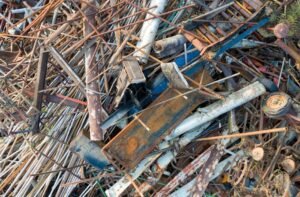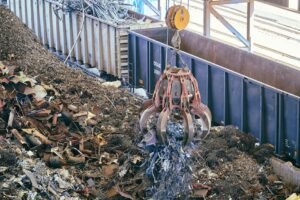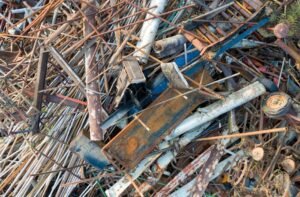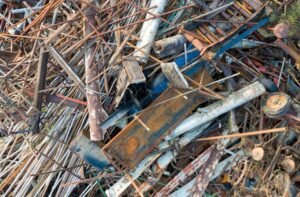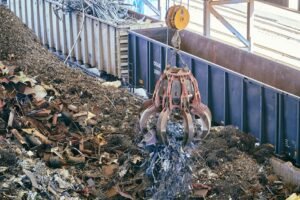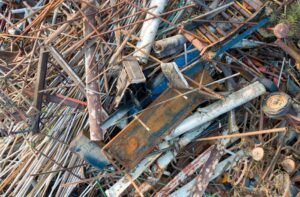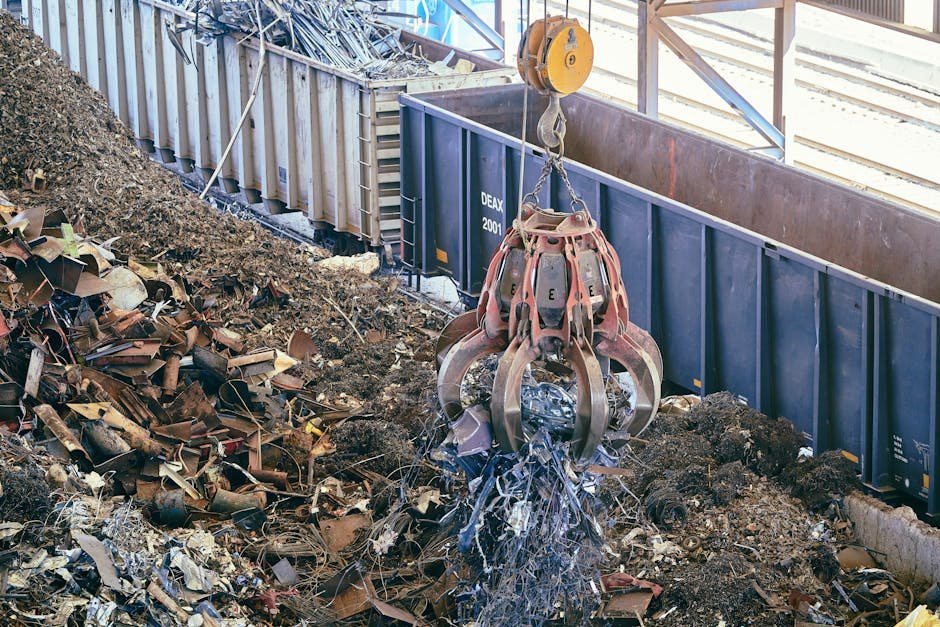

A metal scrap auction connects buyers and sellers of recycled metal, streamlining the process of repurposing industrial waste. These auctions categorize scrap by grade—ferrous, non-ferrous, and specialty metals—to ensure value and usability. By participating in a metal scrap auction, businesses can access competitive pricing while contributing to environmental sustainability.
Understanding Metal Scrap Grades
Scrap metal is categorized into grades based on material composition, purity, and usability. The primary classifications include:
- Ferrous Metals: Contain iron, such as steel and iron. These are magnetic and commonly used in construction and manufacturing.
- Non-Ferrous Metals: Include copper, aluminum, and brass. Non-magnetic and highly valuable due to their conductivity and corrosion resistance.
- Specialty Metals: Rare or high-demand materials like titanium, nickel, and stainless steel alloys.
Grading determines market value. For instance, clean copper wiring commands higher prices than mixed copper scrap. Always check scrap metal prices to stay informed about current demand and trends.
How Metal Scrap Auctions Work
Metal scrap auctions operate online or in-person, enabling competitive bidding between buyers. Here’s a step-by-step overview:
- Listing: Scrap is cataloged with details like weight, grade, and origin.
- Bidding: Registered buyers submit offers, often in real-time.
- Settlement: Winning bidders pay within agreed timelines and arrange logistics.
Platforms like scrap metal auctions offer tools to track listings and compare bids efficiently. First-time participants should review local guidelines for compliance with Australian regulations.
The Recycling Process: From Scrap to New Materials
Recycling metal involves four key stages:
- Collection: Scrap is gathered from industries, demolition sites, or consumer waste.
- Sorting: Advanced machinery separates metals by grade using magnets, sensors, and manual inspection.
- Processing: Metals are shredded, melted in furnaces, and purified to remove contaminants.
- Manufacturing: Recycled metal is cast into ingots or sheets for reuse in production.
Recycling uses 50–70% less energy than producing virgin metal, reducing carbon emissions significantly. For more on sustainable practices, visit scraptrade.com.au.
Environmental Benefits of Recycling Metal Scrap
Recycling metals offers critical environmental advantages:
- Resource Conservation: Reduces the need for mining, preserving ecosystems and water sources.
- Energy Efficiency: Recycling aluminum saves 95% of the energy required for new production.
- Waste Reduction: Diverts millions of tons of scrap from landfills annually.
- Carbon Footprint: The Australian recycling sector avoids 8.5 million tons of CO2 emissions yearly.
By participating in a metal scrap auction, businesses can align with global sustainability goals while managing waste effectively.
Tips for Participating in Metal Scrap Auctions
Maximize value by following these strategies:
- Research Grades: Understand the difference between clean vs. mixed scrap to avoid overpaying.
- Monitor Prices: Use real-time price data to time bids strategically.
- Inspect Listings: Verify weights and conditions before bidding to prevent disputes.
- Build Relationships: Network with auctioneers and sellers to gain access to exclusive listings.
For seamless transactions, consider using scrap auction platforms that streamline documentation and logistics.
The Future of Metal Scrap Recycling in Australia
Advancements in technology, such as AI-driven sorting and blockchain tracking, are transforming the industry. By 2026, Australia aims to recycle 80% of construction waste, with Sell Scrap Metal Near Me In 2026 initiatives supporting this goal. Governments are also offering tax incentives for companies that exceed recycling targets.
Stay ahead by adopting circular economy principles: reuse, repurpose, and recycle. Partner with platforms like scrap.trade to access innovative tools and expand your market reach.
Conclusion
A metal scrap auction is more than a marketplace—it’s a cornerstone of sustainable industrial practices. By understanding grades, mastering auction dynamics, and embracing recycling, businesses can reduce costs and environmental impact simultaneously. Whether selling or buying, leveraging these strategies ensures profitability and compliance with Australia’s evolving regulatory landscape.
Related: Scrap Metal Recycling Near Me
Frequently Asked Questions
What are the most valuable grades of metal scrap?
Non-ferrous metals like copper and aluminum typically hold higher value due to their conductivity and durability. Always verify scrap metal prices for current market trends.
How do I prepare for a metal scrap auction?
Research grades, inspect listings thoroughly, and compare prices. Register on scrap metal auctions platforms to practice bidding.
What environmental impact does recycling metal have?
Recycling reduces energy use by 50–70% compared to producing new metal. It also minimizes mining waste and lowers greenhouse gas emissions by up to 90%.
How can businesses start participating in metal scrap auctions?
Begin by contacting local scrap metal recycling services for guidance. Online platforms like scrap.trade simplify registration and listing access.