
“Metal scrappers” play a critical role in Australia’s circular economy by collecting, sorting, and processing scrap metals into reusable materials. This guide explores the grades of scrap metals, the recycling process, and the environmental benefits of metal recycling. Whether you’re a business owner, homeowner, or environmentally conscious individual, understanding how metal scrappers operate can help you make informed decisions about waste management and resource conservation.
1. Introduction to Metal Scrappers and Their Role in Australia
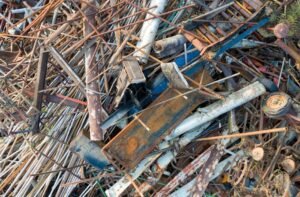
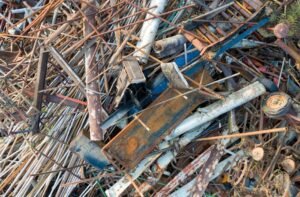
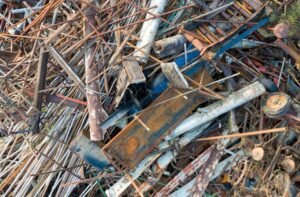
Metal scrappers in Australia are essential to the recycling ecosystem. They specialize in recovering and repurposing metals from industrial waste, construction debris, vehicles, and electronic devices. By processing scrap metals, these professionals reduce landfill waste, lower carbon emissions, and supply raw materials to manufacturers. According to the scrap trade platform, over 10 million tonnes of ferrous and non-ferrous metals are recycled annually in Australia, contributing significantly to the nation’s sustainability goals.
2. Understanding Grades of Scrap Metal
Scrap metals are categorized into two main groups: ferrous and non-ferrous. Each category includes specific grades determined by composition, purity, and use.
Ferrous Metals
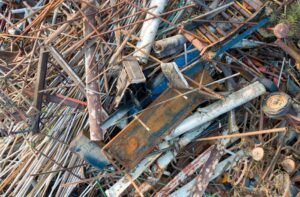
- Steel: The most recycled metal globally. Grades include carbon steel, alloy steel, and stainless steel. Steel scrap is commonly sourced from construction materials, vehicles, and appliances.
- Cast Iron: Heavy and brittle, used in engine blocks and pipes. It has lower recycling value than mild steel due to its impurities.
Non-Ferrous Metals
- Aluminium: Lightweight and highly recyclable. Grades include 1000 series (pure aluminium) and 6000 series (aluminium-magnesium alloys). Common sources are beverage cans, window frames, and aircraft parts.
- Copper: Valuable for electrical conductivity. Grades like OFC (Oxygen-Free Copper) and C11000 are used in wiring, plumbing, and electronics.
- Brass and Bronze: Alloys of copper with zinc or tin. Often recycled from plumbing fixtures, musical instruments, and industrial machinery.
Proper grading ensures metals are processed efficiently. For example, metal prices fluctuate based on purity and demand, making accurate sorting crucial for maximizing revenue.
3. The Recycling Process: From Collection to Reuse
The journey of scrap metal from waste to raw material involves several stages:
Collection and Sorting
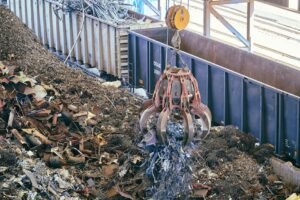
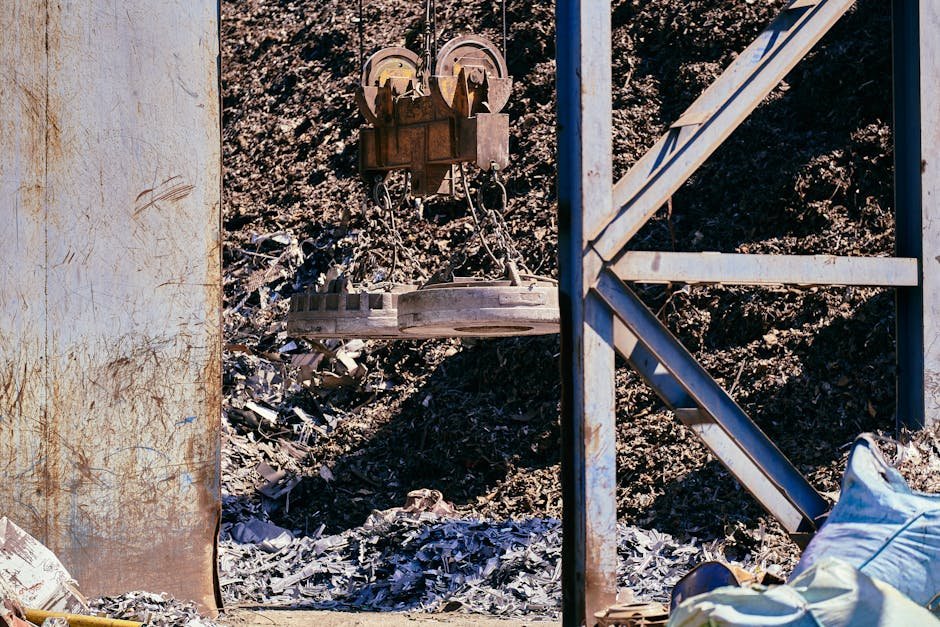
Metal scrappers collect scrap from industrial sites, demolition projects, and households. Sorting is done manually or via automated systems like eddy current separators for non-ferrous metals. For instance, scrapper metal services often use magnets to separate ferrous metals from non-ferrous ones.
Shredding and Processing
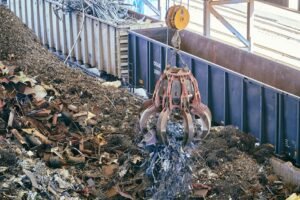
Large scrap items, such as vehicles and appliances, are shredded into smaller pieces to increase surface area for melting. This step removes contaminants like plastic and rubber. Shredded material is then baled or pelletized for transport to foundries.
Melting and Casting
Sorted metals are melted in electric arc furnaces or induction furnaces. The molten metal is purified to remove impurities and cast into ingots, billets, or sheets. For example, recycled aluminium can be remelted into new cans within six weeks, a process that uses 95% less energy than producing aluminium from bauxite ore.
Quality Control
Advanced testing methods, such as X-ray fluorescence (XRF), ensure the recycled metal meets industry standards. This is critical for applications like aerospace or medical devices, where material integrity is non-negotiable.
4. Environmental Benefits of Metal Recycling
Metal recycling significantly reduces environmental degradation compared to mining and refining virgin metals. Key benefits include:
- Energy Savings: Recycling aluminium saves 95% of the energy required for primary production. Steel recycling saves 60-70% of the energy used in traditional steelmaking.
- Resource Conservation: Recycling 1 tonne of copper saves 10 tonnes of ore and 500 tonnes of water. This reduces the need for strip mining and deforestation.
- Carbon Emission Reduction: The Australian Department of Climate Change reports that metal recycling can cut CO2 emissions by up to 300 million tonnes annually if fully adopted.
- Landfill Diversion: In 2023, metal scrappers diverted over 8 million tonnes of scrap from landfills, equivalent to filling 1.6 million truckloads.
By partnering with ScrapTrade Australia, businesses can ensure their scrap metal is recycled responsibly, aligning with global sustainability standards.
5. Economic Impact and Market Trends
The metal recycling industry contributes over $2 billion annually to Australia’s economy. Fluctuating metal prices influence the sector, driven by factors like global supply chains, trade policies, and technological advancements. For example, the demand for lithium and cobalt in electric vehicles has spurred innovation in recycling rare earth metals.
Emerging Trends
- Urban Mining: Extracting metals from electronic waste (e-waste) is becoming a priority. A single tonne of smartphones contains 300 grams of gold, compared to 5 grams in gold ore.
- Blockchain for Traceability: Platforms like scraping metal are adopting blockchain to track metal origins and ensure ethical sourcing.
6. Practical Tips for Selling Scrap Metal
Whether you’re a homeowner with old appliances or a business owner managing industrial waste, these tips can help maximize your returns:
- Sort Metals by Grade: Separate ferrous and non-ferrous metals to avoid contamination. Use a magnet test: if it sticks, it’s ferrous.
- Remove Non-Metal Components: Strip wires, batteries, and plastic coatings to increase the purity of your scrap.
- Stay Updated on Prices: Check metal prices weekly to sell when rates are favorable.
- Use Reputable Recyclers: Platforms like Sell Scrap Metal Near Me In 2026 provide transparent pricing and instant payouts.
7. The Future of Metal Recycling in Australia
Advancements in technology and policy are shaping the future of metal recycling. Innovations like AI-driven sorting systems and green hydrogen-powered smelters are expected to boost efficiency and sustainability. Additionally, Australia’s 2030 National Recycling Policy aims to achieve 80% recycling rates for all materials, including metals.
As metal scrappers adopt circular economy principles, the industry will play a pivotal role in Australia’s transition to net-zero emissions by 2050.
8. Conclusion
Metal scrappers are the backbone of Australia’s recycling infrastructure, transforming waste into valuable resources while protecting the environment. By understanding grades of scrap, the recycling process, and market dynamics, individuals and businesses can contribute to a sustainable future. Whether you’re a first-time seller or a seasoned recycler, leveraging the expertise of Metal Recycling Near Me services ensures your scrap is processed ethically and efficiently.
Related: scraping metal
Related: scrapper metal
Frequently Asked Questions
What are the most common grades of scrap metal?
The most common grades include ferrous metals like steel and cast iron, and non-ferrous metals like aluminium, copper, brass, and bronze. Each grade has specific uses and recycling values.
How does recycling metal benefit the environment?
Recycling metal reduces energy consumption, conserves natural resources, lowers greenhouse gas emissions, and minimizes landfill waste. For example, recycling aluminium saves 95% of the energy required for primary production.
Where can I sell scrap metal in Australia?
You can sell scrap metal through local recyclers or online platforms like Sell Scrap Metal Near Me In 2026, which connects sellers with certified buyers nationwide.
Why is proper sorting of scrap metal important?
Proper sorting ensures contaminants are removed, improves the quality of recycled materials, and maximizes financial returns. Mixed or contaminated scrap fetches lower prices and may be rejected by processors.