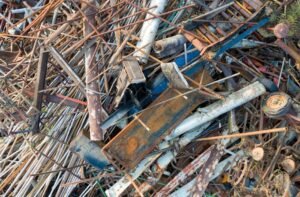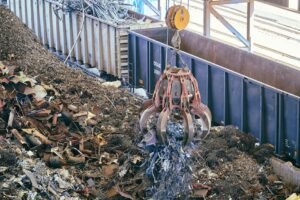

When you are looking for reliable scrap metal pick up Canberra services, understanding the logistics and the value of your materials is the first step toward a seamless recycling experience. Whether you are clearing out a construction site in Fyshwick, managing an industrial facility in Hume, or simply decluttering a residential property, professional collection services streamline the process. The scrap metal industry in Australia is a cornerstone of the circular economy, transforming discarded items into high-value raw materials. By utilizing a professional scrap metal pickup canberra service, you ensure that your waste is handled in compliance with ACT environmental regulations while maximizing your financial return.
Understanding Metal Grades: Ferrous vs. Non-Ferrous
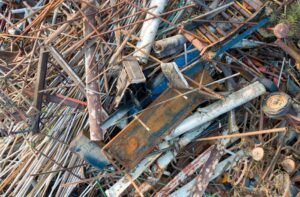
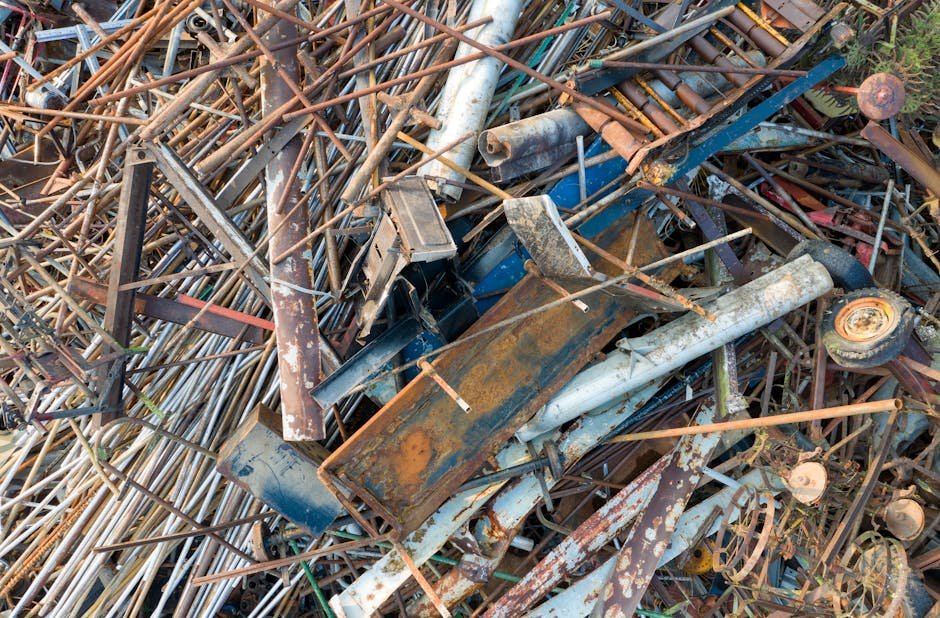
To get the most value from your haul, it is essential to distinguish between the two primary categories of metal: ferrous and non-ferrous. Ferrous metals contain iron and are magnetic. Common examples include steel, iron, and cast iron. These are typically found in structural beams, old appliances, and car parts. Because they are abundant, they are usually traded in larger volumes. If you have a significant amount of steel, you might want to look into options to scrap metal for pick up to clear space efficiently.
Non-ferrous metals, on the other hand, do not contain iron and are generally more valuable due to their scarcity and the energy-intensive nature of their primary extraction. This category includes copper, aluminium, brass, stainless steel, and lead. Copper is the gold standard of the scrap world; whether it is bright shiny wire, plumbing pipes, or roofing offcuts, it commands a premium price. Aluminium is also highly sought after, frequently found in window frames, cans, and automotive components. When you prepare your materials for a Pick Up Scrap Metal For Cash Near Me service, separating these grades beforehand will significantly increase the appraisal value of your collection.
The Scrap Metal Recycling Process
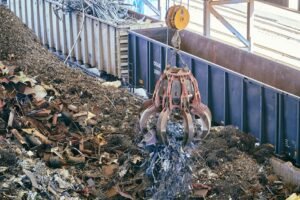
The journey from a discarded item to a new product is a sophisticated industrial process. Once your scrap is collected, it is transported to a processing facility where it undergoes a rigorous sorting phase. Advanced technology, including eddy current separators and X-ray fluorescence (XRF) scanners, is used to identify and isolate specific metal alloys. This level of precision is vital because even a small amount of contamination can ruin a batch of molten metal.
After sorting, the metal is shredded or sheared to reduce its volume for easier transport and melting. The shredded metal is then cleaned of non-metallic impurities like plastics, rubber, or dirt. Finally, the metal is melted down in high-temperature furnaces and cast into ingots or billets. These ingots serve as the raw material for manufacturers across the globe. By choosing to Scrap Metal Recycling Near Me, you are directly contributing to the supply chain that powers modern manufacturing without the need for destructive mining practices.
Environmental Benefits of Recycling
The environmental impact of recycling metal is profound. Mining for virgin ore is an incredibly energy-intensive process that results in massive habitat destruction, soil erosion, and water pollution. Conversely, recycling aluminium saves approximately 95% of the energy required to produce the same amount from bauxite ore. Similarly, recycling steel reduces energy consumption by about 75% compared to iron ore production.
Beyond energy savings, recycling reduces greenhouse gas emissions. The smelting of virgin metals releases significant amounts of CO2 into the atmosphere. By utilizing a circular model, we drastically lower the carbon footprint of the construction, automotive, and technology sectors. In Canberra, where environmental sustainability is a core community value, participating in scrap metal recycling is a tangible way to support local and national climate goals. Every tonne of metal recovered is a tonne that does not end up in a landfill, preserving our local landscapes for future generations.
Preparing Your Site for Scrap Collection
Efficiency is key when scheduling a pick-up. To ensure the process goes smoothly, organize your scrap into piles based on the material type. Keep ferrous and non-ferrous metals separate. If you have large, heavy items like machinery or structural steel, ensure there is clear access for a truck and crane or forklift. If you are preparing to Sell Scrap Metal Near Me In 2026, keeping your site clean and organized will make the assessment process much faster for the collection team.
Safety is paramount during the preparation phase. Remove any hazardous materials such as gas bottles, fire extinguishers, or sealed containers that may contain chemicals. These items require specialized handling and cannot be processed with standard scrap metal. If you are unsure about a particular item, consult the experts at Scrap Trade for guidance on what is accepted. Providing a clear inventory or photos of the scrap beforehand can help the logistics team determine the right type of vehicle to send, ensuring a safe and efficient loading process.
Economic Value and Market Trends
The scrap metal market is dynamic, with prices fluctuating based on global supply and demand. Factors such as infrastructure development in emerging economies, the price of oil, and the strength of the Australian dollar all play a role in determining what your scrap is worth. Being aware of these trends can help you decide the best time to sell. While it is impossible to predict the market perfectly, keeping a regular schedule of recycling helps average out the returns over time.
For businesses, scrap metal represents a hidden revenue stream. Instead of paying for skip bins to haul away metal waste, you can often turn that cost into profit. By partnering with a reputable recycling platform like Scrap Trade Australia, you gain access to market insights and professional collection services that prioritize transparency and fair pricing. This professional approach ensures that you are not just getting rid of clutter, but actively managing a valuable business asset.
The Future of Metal Recycling in Australia
As we look toward 2026 and beyond, the scrap metal industry is becoming increasingly digitized. Technology is making it easier to track the lifecycle of metals and ensure that materials are recovered at the highest possible purity. We are seeing a shift toward more sophisticated sorting technologies that allow for the recovery of rare earth metals from electronic waste, which is becoming a critical component of the recycling sector.
The integration of mobile platforms and on-demand collection services is also changing the landscape. No longer do you need to spend hours searching for a facility; the ability to book a collection online has made the process as simple as ordering a delivery. This shift is empowering individuals and businesses alike to take responsibility for their waste, fostering a culture of sustainability that is essential for the future of our planet. As the industry evolves, the focus will remain on maximizing recovery rates and minimizing the environmental footprint of our industrial activities.
Best Practices for Long-Term Scrap Management
If you generate scrap metal regularly, it is worth developing a long-term management strategy. This involves setting up designated storage areas that are protected from the elements to prevent rust and degradation of the metal. For businesses, this might mean implementing a “sort-at-source” policy where employees are trained to separate metals as they are generated. This simple step can significantly increase the value of your scrap and reduce the time spent sorting during the collection phase.
Additionally, building a relationship with a consistent recycling partner ensures that you have a reliable outlet for your materials. A good partner will provide you with timely updates on market conditions and offer flexible collection schedules that work around your operational needs. By treating scrap metal as a managed resource rather than a waste problem, you contribute to a more efficient and profitable operation. Whether you are a small contractor or a large industrial firm, these practices ensure that you are getting the maximum benefit from your metal waste while supporting the broader goal of a sustainable Australian economy.
Conclusion
Navigating the world of scrap metal doesn’t have to be complicated. By understanding the basics of metal grades, the environmental impact of your choices, and the logistics of professional collection, you can turn your waste into a valuable asset. Whether you are in need of a one-off clearance or a recurring collection service, there are professional solutions available to help you manage your scrap responsibly. Remember that every piece of metal you recycle is a step toward a more sustainable future. For all your needs regarding scrap metal pick up Canberra, ensure you work with verified, professional services that prioritize safety, transparency, and environmental compliance. By staying informed and organized, you can contribute to the circular economy while maximizing your return on investment.
Frequently Asked Questions
What items are commonly accepted for scrap metal pick up in Canberra?
Most services accept ferrous metals like steel and iron, and non-ferrous metals such as copper, aluminium, brass, and lead. Common items include old appliances, car parts, plumbing pipes, and construction materials.
How is the price of my scrap metal determined?
Prices are determined by the current global market rate for the specific metal grade, the weight of the material, and the level of purity or contamination present in the load.
Do I need to prepare my scrap metal before the collection team arrives?
Yes, sorting your metal into ferrous and non-ferrous piles and ensuring the area is accessible for a truck will make the collection process faster and safer. Always remove any hazardous materials or non-metal attachments.
Is there a minimum amount of scrap required for a pick up service?
Most professional services have a minimum weight or volume requirement to make the logistics of the collection cost-effective. It is best to contact the provider directly to discuss your specific quantity and location.