
When businesses and industrial facilities require reliable scrap pickup Dalton, understanding the nuances of metal classification and logistics is essential for maximizing ROI. Whether you are managing construction waste, manufacturing offcuts, or end-of-life machinery, the efficiency of your scrap management strategy directly impacts your bottom line. By leveraging a professional B2b Scrap Trading Platform, you can ensure that your materials are handled with the highest standards of transparency and market-driven pricing. This guide explores the critical components of the recycling lifecycle, from identifying specific grades to the environmental imperatives that drive the modern circular economy in Australia.
Understanding Metal Grades for Optimal Recovery
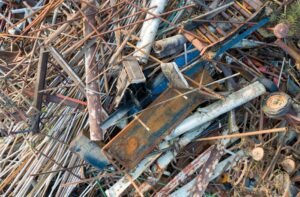
The value of your scrap is inherently tied to its purity and classification. In the Australian market, metals are broadly categorized into ferrous and non-ferrous, each requiring distinct handling procedures. Ferrous metals, such as steel and iron, are magnetic and are primarily valued for their role in heavy infrastructure and construction. Conversely, non-ferrous metals—including copper, aluminium, brass, and lead—are significantly more valuable due to their superior conductivity, corrosion resistance, and infinite recyclability without degradation.
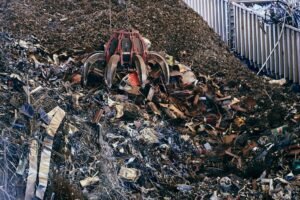
For those managing large volumes, knowing how to segregate your scrap at the source is the single most effective way to increase your payout. Contamination is the primary enemy of value; mixing steel with copper, for instance, significantly lowers the grade of the entire load. Our partners at Scrap Trade Australia emphasize the importance of clean, sorted streams. When you utilize a specialized scrap pickup Dalton service, you are not just clearing space; you are participating in a sophisticated supply chain that feeds global manufacturing. Understanding grades like ‘Heavy Melting Steel’ (HMS 1 & 2) versus ‘Light Iron’ or ‘Sheet Iron’ allows site managers to negotiate better terms with recyclers.
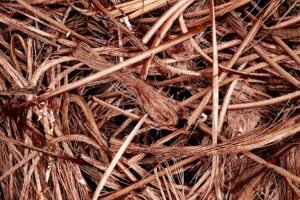
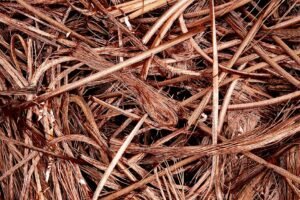
Copper, often the crown jewel of the recycling industry, is graded based on its insulation status and oxidation levels. ‘Bright and Shiny’ copper commands the highest price, whereas ‘Burnt’ or ‘Insulated’ wire requires mechanical stripping or burning, which incurs processing costs. By implementing a systematic sorting process, you ensure that your Scrap Trade Australia interactions result in the highest possible market return. This level of diligence transforms waste from a logistical burden into a consistent revenue stream.
The Mechanics of Modern Scrap Recycling
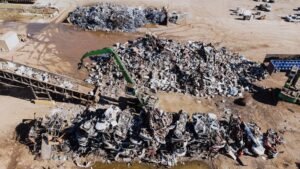
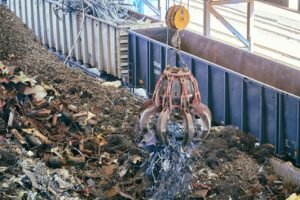
The recycling process is a marvel of industrial engineering. Once a scrap pickup Dalton provider collects your material, it undergoes a rigorous sequence of sorting, shearing, shredding, and melting. The initial step is radiological and visual inspection to ensure no hazardous materials or non-conforming items enter the stream. Modern facilities utilize advanced sensor-based sorting technologies, including X-ray fluorescence (XRF) and eddy current separators, to distinguish between alloys with high precision.
Shredding is the next critical phase. Industrial-grade shredders reduce bulky items into fist-sized fragments, which significantly increases the surface-area-to-volume ratio, facilitating easier separation of ferrous from non-ferrous components via magnetic pulleys. These fragments are then cleaned of non-metallic contaminants like plastics, rubber, and glass. For a deeper dive into the logistics and standards governing this, consult the resources provided by the Scrap Trade Organisation. Their guidelines on industry best practices ensure that every participant in the scrap ecosystem operates with integrity and efficiency.
The final step involves the furnace. Metals are melted down in controlled environments to create ingots or billets, which are then sold back to manufacturers. This closed-loop system is the backbone of sustainable production. When you prioritize professional collection services, you ensure that your materials are processed in facilities that meet strict environmental compliance standards, preventing hazardous runoff and ensuring that trace elements are recovered rather than lost to landfill.
Environmental Benefits and Regulatory Compliance
The environmental case for recycling is irrefutable. Producing aluminium from recycled scrap requires approximately 95% less energy than producing it from virgin bauxite ore. For steel, the energy savings hover around 75%. By choosing a professional scrap pickup Dalton service, you are actively reducing the carbon footprint of your operations and contributing to a significant reduction in mining-related habitat destruction. This is not just a corporate social responsibility metric; it is a critical component of modern ESG (Environmental, Social, and Governance) reporting.
Furthermore, responsible recycling prevents heavy metals like lead, cadmium, and mercury from leaching into local soil and groundwater. In Australia, the regulatory environment is becoming increasingly stringent regarding waste disposal. Businesses that fail to document their recycling pathways risk significant fines and reputational damage. Utilizing a certified Scrap Iron Pickup: Grades, Recycling Process & Benefits service provides you with the audit trail necessary to prove compliance with local environmental regulations. This documentation is vital for businesses seeking ISO 14001 certification or other environmental management standards.
The circular economy relies on the commitment of individual businesses to keep materials in circulation. When you choose to recycle rather than dump, you support a local industry that provides jobs and stabilizes the supply of raw materials for Australian manufacturers. This creates a resilient domestic supply chain that is less susceptible to global market shocks. By engaging with Scrap Trade, you gain access to a network of professionals dedicated to these high standards of environmental stewardship.
Strategic Logistics: Maximizing Your Scrap Pickup
Logistics can make or break the profitability of your scrap management. Effective scrap pickup Dalton requires coordination, the right equipment, and timing. For large-scale industrial projects, requesting dedicated bin services is often more cost-effective than ad-hoc pickups. These bins allow for on-site segregation, which ensures that your high-value non-ferrous metals are kept separate from low-value bulk steel, thereby preventing cross-contamination.
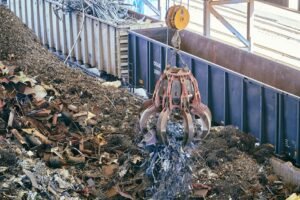
Consider the volume and frequency of your scrap generation. If your facility produces high-density scrap, you may require specialized heavy-duty bins or even crane-loading services. Conversely, if your waste is primarily light-gauge aluminium or sheet metal, you need compactors or balers to optimize transport volume. Maximizing the weight-to-volume ratio of your loads reduces the number of trips required, which lowers transport costs and carbon emissions. Always communicate the nature of your scrap—whether it is oversized, hazardous, or high-value—to your service provider in advance to ensure they arrive with the appropriate equipment, such as Hiab trucks or specialized trailers.
Case Example: A local manufacturing plant in the Dalton area recently transitioned from a general waste disposal model to a segregated scrap management program. By installing dedicated bins for copper, brass, and aluminium, they increased their monthly scrap revenue by 22% while simultaneously reducing their general waste disposal fees. This shift was facilitated by a structured partnership with a professional scrap collector who provided monthly reports on material weights and market trends, allowing the plant manager to optimize their production processes to minimize offcut waste. This is the power of a data-driven approach to scrap management.
Future Trends in the Australian Scrap Industry
The scrap industry is undergoing a digital transformation. We are moving toward a future where IoT-enabled bins will signal when they are full, optimizing collection routes and reducing fuel consumption. Furthermore, blockchain technology is beginning to be used to track the provenance of recycled materials, providing manufacturers with verifiable data on the recycled content of their products. This level of transparency is becoming a requirement for suppliers in the automotive, aerospace, and construction sectors.
As Australia pushes toward net-zero emissions, the demand for high-quality recycled metals will only increase. The ability to source ‘green’ steel—produced using renewable energy and high-grade scrap—is becoming a competitive advantage for Australian manufacturers. Consequently, those who manage their scrap effectively today are positioning themselves as preferred suppliers in a greener, more circular economy. Staying informed through the Scrap Trade Organisation will help you navigate these shifts in technology and market demand. The future of the industry is not just in moving metal, but in managing the data and the quality that makes that metal valuable.
Ultimately, your choice of a scrap pickup Dalton partner should be based on their capability to handle your specific material streams, their commitment to environmental safety, and their transparency in pricing. By treating scrap as a resource rather than waste, you unlock value that would otherwise be lost. Whether you are a small workshop or a large industrial site, the principles remain the same: sort at the source, document your disposal, and partner with professionals who understand the complexities of the global metal market. Your commitment to these practices ensures a sustainable future for the industry and a healthier bottom line for your business.
Frequently Asked Questions
What is the best way to segregate scrap metal for maximum profit?
The most effective method is to separate ferrous metals (magnetic) from non-ferrous metals (non-magnetic) at the source. Keep high-value metals like copper, brass, and aluminium in separate, clean containers to prevent contamination, as mixed loads are always valued at the lowest common denominator.
How do I schedule a scrap pickup in Dalton?
Contact a reputable scrap pickup Dalton service provider and provide details on the volume, type of metal, and site accessibility. Professional services will often provide dedicated bins for ongoing collection, which helps maintain site cleanliness and ensures better segregation.
Why is it important to use a certified scrap recycler?
Certified recyclers ensure that materials are processed in compliance with Australian environmental regulations, preventing hazardous waste from entering the ecosystem. They also provide the necessary documentation to prove that your waste management meets legal and corporate sustainability standards.
How does the scrap market price affect my pickup?
Scrap prices are volatile and fluctuate based on global supply and demand for raw commodities. A professional scrap partner will provide transparent pricing based on current market rates, often offering better returns for clean, sorted, and high-volume loads.