
Scrap recycling is a cornerstone of sustainable resource management in Australia. From industrial byproducts to household waste, understanding scrap grades and their environmental impact empowers individuals and businesses to participate in eco-friendly practices. This guide breaks down the classification of scrap materials, the step-by-step recycling process, and the tangible benefits of transforming waste into valuable resources.
Understanding Scrap Grades: Classification and Sources
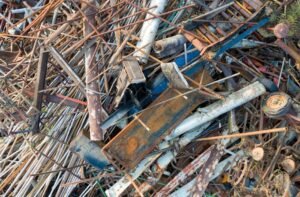
Scrap grades are critical for determining the value and reusability of materials. In Australia, the primary categories include:
- Ferrous Metals: Iron-based materials like steel and cast iron. Examples include automotive parts, construction debris, and machinery components.
- Non-Ferrous Metals: Non-iron metals such as aluminum, copper, and brass. These are prized for their conductivity and corrosion resistance.
- Plastics and Rubber: Sorted by polymer type (e.g., PET, HDPE) and condition. Contamination levels significantly affect recyclability.
- Electronics: E-waste contains precious metals like gold and silver but requires specialized processing due to hazardous components.
How Recycling Works: From Collection to Manufacturing
The recycling process involves four key stages:
1. Collection and Sorting
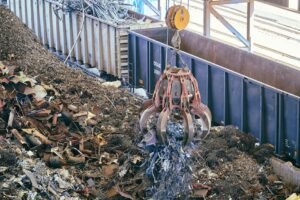
Scrap materials are collected via curbside pickups, bulk collection centers, or direct hauls. Sorting is done manually or using sensors to separate metals, plastics, and other materials. Scrap is often baled or shredded to prepare for processing.
2. Processing and Shredding
Materials are shredded or crushed to reduce volume and eliminate contaminants. Ferrous metals are attracted to magnets, while eddy current separators isolate non-ferrous metals. Plastics are washed, shredded, and pelletized for reuse.
3. Smelting and Refining
Metals are melted in furnaces to remove impurities. For example, aluminum recycling requires about 5% of the energy needed to produce new aluminum. The resulting molten material is cast into ingots or sheets for manufacturing.
4. Manufacturing and Distribution
Recycled materials are transformed into new products, from construction steel to consumer electronics. Scrap near me in 2026 platforms streamline access to local recycling facilities and markets.
Environmental Benefits of Scrap Recycling
Recycling scrap materials offers multiple environmental advantages:
- Resource Conservation: Recycling reduces the need to mine raw materials, preserving ecosystems and biodiversity.
- Energy Savings: Producing goods from recycled metals uses 60-70% less energy than manufacturing with virgin materials.
- Landfill Reduction: Diverting 1 ton of scrap from landfills saves 3 cubic meters of space and prevents toxic leaching.
- Carbon Emissions: The Australian recycling industry avoids over 30 million tons of CO2 emissions annually, equivalent to removing 6.5 million cars from roads.
Practical Tips for Identifying and Valuing Scrap Grades
Accurate classification ensures fair pricing and efficient recycling. Here’s how to assess scrap grades:
- Metal Grading Tools: Use test kits to identify alloy compositions. For example, brass alloys (e.g., C26000, C36000) have distinct properties affecting their value.
- Contamination Checks: Remove non-metallic inclusions like paint or plastic coatings to avoid downgrading grades.
- Market Research: Monitor scrap auction prices to understand demand for specific grades. Copper prices fluctuate with global electronics demand, for instance.
Business Opportunities in the Scrap Trade
The scrap marketplace in Australia is projected to grow by 8% annually. Entrepreneurs can capitalize on this trend through:
- Bulk Collection Services: Partner with construction sites or manufacturing plants to collect high-grade scrap.
- Online Platforms: Utilize scrap auction platforms to reach a global buyer base.
- Specialized Recycling: Focus on high-value materials like rare earth metals used in renewable energy technologies.
Challenges and Innovations in Scrap Recycling
While scrap recycling is beneficial, challenges include contamination, low collection rates, and fluctuating commodity prices. Innovations addressing these issues include:
- AI Sorting Systems: Machine learning algorithms improve accuracy in separating complex scrap mixes.
- Blockchain Transparency: Tracking scrap from collection to sale ensures ethical sourcing and builds buyer trust.
- Community Programs: What is scrap trade initiatives educate households on separating waste for higher recycling rates.
Why Choose Australian Scrap Recycling Platforms?
Australian scrap recycling platforms like scrap.trade and scraptrade.com.au offer:
- Compliance: Adherence to strict environmental regulations ensures ethical recycling practices.
- Local Impact: Supporting regional scrap recycling reduces transportation emissions compared to offshore processing.
- Transparency: Real-time pricing and auction systems empower sellers to maximize returns.
Conclusion
Understanding scrap grades and recycling processes is vital for reducing Australia’s environmental footprint while creating economic opportunities. By leveraging platforms like scrap.trade, individuals and businesses can contribute to a sustainable future. Whether you’re a first-time seller or a seasoned recycler, prioritizing high-quality scrap classification and ethical practices ensures long-term success in this growing industry.
Frequently Asked Questions
What are the most common scrap grades in Australia?
The most common grades include ferrous metals (e.g., steel, iron), non-ferrous metals (e.g., aluminum, copper), and plastics (e.g., PET, HDPE). Electronics and e-waste also represent high-value, specialized grades.
How does recycling scrap benefit the environment?
Recycling conserves natural resources, reduces energy consumption by up to 70%, and prevents landfill contamination. It also lowers greenhouse gas emissions by avoiding the need for raw material extraction.
Where can I sell scrap in Australia?
Use Scrap near me in 2026 to find local facilities or scrap marketplace platforms for online trading. These services connect sellers with verified buyers.
What challenges does the scrap recycling industry face?
Key challenges include contamination from mixed materials, fluctuating commodity prices, and inconsistent recycling rates. Innovations like AI sorting and blockchain tracking are helping to address these issues.