
Scrap metal dealers play a critical role in Australia’s waste management and industrial ecosystems. By repurposing discarded metals, they help reduce reliance on raw material extraction, lower carbon footprints, and support sustainable manufacturing. This guide explores the grades of scrap metal, the recycling process, and the environmental benefits of working with scrap metal dealers, while offering practical advice for buyers and sellers.
Understanding Scrap Metal Grades
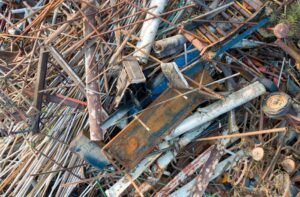
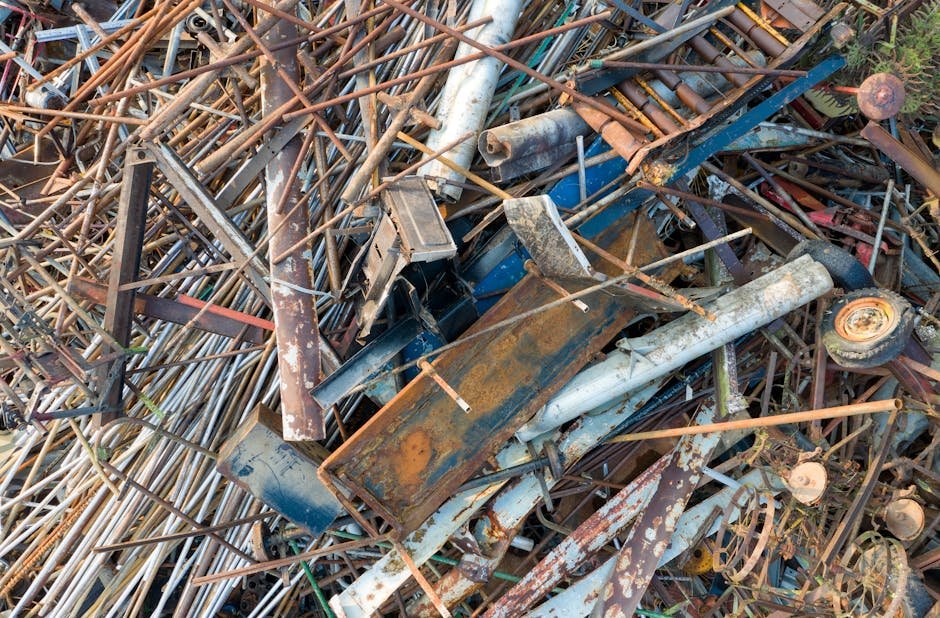
Scrap metal is categorized into grades based on its composition, purity, and suitability for reuse. The two primary classifications are ferrous and non-ferrous metals:
Ferrous Metals
- Steel: The most common ferrous metal, used in construction, automotive, and manufacturing. Includes carbon steel and stainless steel.
- Cast Iron: Denser and heavier than steel, often recycled into machinery parts or molten metal.
Non-Ferrous Metals
- Aluminum: Lightweight and corrosion-resistant. Found in beverage cans, vehicle parts, and electronics.
- Copper: High conductivity makes it ideal for electrical wiring and plumbing. Often recycled into new wiring, plumbing fixtures, or industrial components.
- Brass and Bronze: Alloys with varying copper-tin-zinc ratios. Common in HVAC systems, musical instruments, and decorative items.
Additional categories include mixed metals (e.g., shredded cars) and precious metals (e.g., gold, silver in electronics). Scrap metal dealers use advanced sorting techniques like magnets and X-ray fluorescence to classify these materials accurately.
How Scrap Metal Recycling Works
The recycling process involves several stages to transform waste metal into reusable material:
- Collection: Individuals or businesses contact scrap metal dealers to arrange pickups or drop-offs. Industrial facilities often sell bulk scrap directly.
- Sorting and Grading: Metals are separated using magnets, eddy current separators, and manual inspection. Contaminants like plastic or glass are removed.
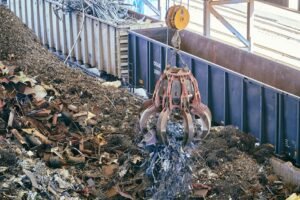
- Shredding/Processing: Large items (e.g., cars) are shredded into smaller pieces. Ferrous metals are compacted into bales for efficiency.
- Smelting and Reuse: Metals are melted down and cast into ingots, sheets, or other forms for use in manufacturing. For example, recycled steel becomes new construction beams, while aluminum is molded into beverage cans.
Australia’s scrap metal recycling network ensures high recovery rates—over 90% of steel and 70% of aluminum are recycled in the country.
Environmental and Economic Benefits of Recycling Scrap Metal
Resource Conservation
Recycling reduces the need for mining raw materials. For instance, producing steel from recycled scrap uses 60% less energy than from iron ore. Similarly, recycling aluminum saves 95% of the energy required to produce new aluminum.
Landfill Reduction
Metal waste in landfills generates toxic leachate and takes centuries to decompose. By diverting scrap metal to scrap metal dealers, we prevent these environmental hazards.
Carbon Emission Reduction
Manufacturing with recycled metals emits significantly less CO2 compared to primary production. The Australian recycling industry is estimated to save 12 million tons of CO2 annually.
Economic Opportunities
Individuals and businesses can earn income by selling scrap metals. Scrap metal prices fluctuate based on global demand, but consistent sellers can generate steady revenue.
Choosing the Right Scrap Metal Dealer
Not all scrap metal dealers are equal. Consider these factors when selecting a partner:
- Reputation: Check reviews and certifications (e.g., ISO 14001 for environmental standards). Local options like scrap metal dealers campbelltown should have a proven track record.
- Facility and Equipment: Reputable dealers have secure storage, proper sorting tools, and transparent pricing. Visit or request a facility tour.
- Licensing: Ensure the dealer complies with Australian regulations, such as the National Environment Protection (Used Oil) Measure (NEPM).
- Payment Terms: Clear agreements on payment methods (cash, bank transfer) and volume discounts are essential.
For a seamless experience, use platforms like Scrap Trade to connect with vetted scrap metal dealers across Australia.
Practical Tips for Selling Scrap Metal
Maximize value and safety when selling scrap with these strategies:
- Clean and Sort Materials: Remove non-metal parts (e.g., plastic, glass) to avoid contamination penalties. Separating ferrous and non-ferrous metals increases your payout.
- Track Market Trends: Monitor scrap metal prices to time your sales when rates are favorable.
- Prepare Large Volumes: Dealers often offer better rates for bulk sales. Use a weighbridge to determine your load’s weight accurately.
- Document Everything: Request a receipt for tax deductions and proof of recycling. This is especially important for businesses.
The Future of Scrap Metal Recycling in Australia
Innovation is driving the industry forward. Technologies like AI-powered sorting and electric-powered shredders are increasing efficiency. Government initiatives, such as the National Waste Policy, aim to boost recycling rates to 80% by 2030. ScrapTrade is leading efforts to digitize transactions and expand access to scrap metal dealers in remote areas.
Conclusion
Scrap metal dealers are vital to Australia’s circular economy. By understanding metal grades, recycling processes, and environmental impacts, individuals and businesses can make informed decisions. Whether you’re a homeowner with old appliances or an industrial facility, partnering with certified dealers ensures responsible resource management and financial returns.
Frequently Asked Questions
What are the most valuable scrap metals to recycle?
Non-ferrous metals like copper, aluminum, and brass typically command higher prices due to their conductivity and durability. Electronics and vehicle parts often contain trace amounts of precious metals (e.g., gold, silver), which can increase value further.
How do I choose a reputable scrap metal dealer?
Look for dealers with valid licenses, transparent pricing, and positive reviews. Verify their compliance with environmental regulations and inquire about their sorting and processing methods to ensure ethical practices.
Can I recycle scrap metal for free?
Most scrap metal recycling services charge based on material weight and grade. However, some dealers may offer free collection for large industrial volumes. Always compare quotes to maximize savings.
How do scrap metal prices fluctuate?
Scrap metal prices are influenced by global demand, energy costs, and economic conditions. Copper prices, for example, often rise during construction booms, while steel prices may dip when manufacturing activity slows.