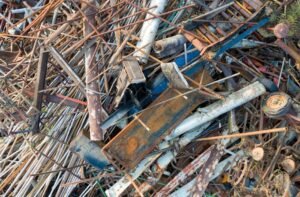

Scrap metal prices Brisbane are driven by a mix of global commodity trends and local Queensland regulations, making it essential for recyclers to stay informed.
Local scrap metal pricing in Brisbane
In Southeast Queensland the market rate for scrap metal is published daily by major processors and can be viewed on the Scrap Metal Prices page. As of the latest update (30 March 2026) the typical price per kg for the most common grades is:
- Clean ferrous steel: $1.20 per kg (≈ $1,200 per tonne)
- Mixed ferrous (including rusted steel): $0.80 per kg
- Aluminium (clean, no alloy mix): $1.85 per kg
- Copper (copper wire, clean): $2.30 per kg
- Stainless steel (304/316 grade): $2.70 per kg
These figures represent the price per kg that most Brisbane yards will pay on the spot. If you have a large volume (over a tonne) you may be able to negotiate a better price per tonne. For a quick snapshot of what other states are offering, compare the scrap metal prices adelaide and the scrap metal prices melbourne – they often move in tandem with national trends but can differ due to local transport costs.
For residents searching for nearby facilities, the Scrap Metal Prices Near Me tool pinpoints yards within the Brisbane metropolitan area, including locations in Fortitude Valley, Woolloongabba and the industrial precinct of Port of Brisbane.
How scrap metal prices are set and what affects them
Metal prices today are not set in isolation. The primary drivers include:
- Global commodity markets: Prices for raw steel, aluminium and copper are quoted on the London Metal Exchange (LME) and directly influence the current scrap prices that Australian yards can offer.
- Exchange rates: A stronger Australian dollar reduces the local value of imported raw metal, which can lower the price paid to scrap suppliers.
- Domestic demand: Construction booms in Queensland, especially in Brisbane’s inner‑city revitalisation projects, lift the demand for ferrous and non‑ferrous metals.
- Quality and grade: Clean, sorted material commands a premium. Contaminated or mixed loads are discounted to cover additional processing.
- Transportation and handling costs: Yards located closer to the Port of Brisbane can offer slightly higher rates because they save on haulage expenses.
- Regulatory environment: Queensland’s strict waste‑handling legislation requires proper documentation, which adds compliance costs that are reflected in the market rate.
Because these variables shift daily, the Current Scrap Metal Prices page is refreshed every 24 hours to give you the most accurate snapshot for Brisbane.
Grades of scrap metal and the recycling process in Queensland
Understanding the grade of your material is crucial for getting the best price. The main categories are:
- Ferrous scrap: Includes all iron‑based metals such as steel beams, rebar and cast iron. It is magnetically separable and usually sold in two grades – clean (no paint or oil) and mixed.
- Non‑ferrous scrap: Aluminium, copper, brass, lead and zinc. These metals are valued higher per kg because they are lighter and have higher resale value.
- Stainless steel and specialty alloys: These command premium rates due to their corrosion‑resistant properties.
Once you drop off your load at a Brisbane recycling centre, the typical flow is:
- Weighing and grading – the yard records the weight and assigns a grade based on visual inspection and, where required, chemical testing.
- Shredding – larger pieces are shredded to a uniform size to improve furnace efficiency.
- Magnetic separation – ferrous from non‑ferrous.
- Further sorting – using eddy‑current separators for aluminium and copper.
- Melting – the sorted metal is melted in a furnace, alloyed if needed, and cast into billets for manufacturers.
This closed‑loop process reduces the need for virgin ore extraction, cutting greenhouse‑gas emissions by up to 95 % for aluminium and 60 % for steel, according to the Queensland Department of Environment and Science.
Drop‑off options and what to expect in Brisbane
Brisbane hosts a network of licensed scrap yards that operate under the Queensland Waste‑Avoidance and Resource Recovery Act. When you arrive, be prepared to:
- Show a valid ID and proof of ownership for larger loads (e.g., a purchase receipt for a discarded appliance).
- Separate your material into the grades listed above – many yards provide colour‑coded bins for ferrous, aluminium and copper.
- Pay a small tipping fee if you bring non‑metal waste (e.g., wood or plastic) that needs to be removed.
Most yards in the Brisbane CBD, Fortitude Valley and the suburbs of Carindale and Acacia Ridge accept loads 24 hours a day, but it’s worth calling ahead to confirm operating hours, especially on public holidays.
For a seamless experience, you can schedule a pick‑up through our main portal, which will match you with the nearest licensed processor and provide a pre‑quoted rate based on the price per kg you see on the site.
If you prefer a face‑to‑face transaction, the Brisbane recycling services page lists all accredited facilities, their contact numbers, and any special requirements for hazardous components such as lead‑acid batteries.
By staying aware of the current scrap prices, sorting your metal correctly, and using the local drop‑off tips above, you can maximise earnings while supporting Queensland’s circular‑economy goals.
Related: Ultimate Guide to scrap metal prices in Australia
Frequently Asked Questions
How often do scrap metal prices change in Brisbane?
Prices are updated daily because they follow global commodity markets and local demand. Checking the Current Scrap Metal Prices page each morning gives you the most accurate figure.
Do I need a licence to sell scrap metal in Queensland?
No, individual sellers do not need a licence, but the processing yard must be licensed under the Queensland Waste‑Avoidance and Resource Recovery Act.
What is the best way to increase the price I receive for my scrap?
Separate your metal by grade, remove contaminants, and bring clean, dry material. High‑value non‑ferrous metals like copper and aluminium fetch the highest price per kg.
Can I schedule a collection instead of dropping off my scrap?
Yes, you can arrange a pick‑up through our main portal, which will match you with a nearby Brisbane yard and provide a pre‑quoted rate.