
Understanding scrap metal prices nsw is the first step to turning waste into profit. Whether you are a contractor, a homeowner, or a small‑scale recycler, knowing the Scrap Metal Prices in your area lets you act fast and secure the best price per kg before the market shifts.
How NSW Scrap Metal Prices Are Determined
In New South Wales, the market rate for scrap metal is set by a blend of global commodity indices, local processing capacity, and real‑time demand from steel mills and foundries. The most widely referenced benchmark is the London Metal Exchange (LME), which publishes daily metal prices today. Australian brokers then add a regional premium or discount based on transport costs, purity levels, and the volume you can deliver. This is why you will often see a slight gap between the LME price and the Current Scrap Metal Prices posted on local platforms.
Prices are updated at least twice a day on most trading sites, reflecting shifts in the global steel market, currency fluctuations, and seasonal construction activity. For example, a surge in infrastructure projects in Sydney can push the price per tonne for high‑grade steel up by 5‑10% within a week.
Key Grades and Their Market Rates
Not all scrap is created equal. The most common grades in NSW include:
- Clean Ferrous Steel (HSLA, mild steel) – typically $1.25‑$1.45 per kg, or $1,250‑$1,450 per tonne.
- Stainless Steel (304, 316) – premium range $2.80‑$3.20 per kg due to high nickel content.
- Aluminium (clean, no paint) – $1.80‑$2.10 per kg, with higher rates for alloy‑specific grades.
- Copper (bare, uncoated) – $7.00‑$8.50 per kg, reflecting strong demand in electrical manufacturing.
- Galvanised Steel – $0.90‑$1.10 per kg, lower because of the zinc coating.
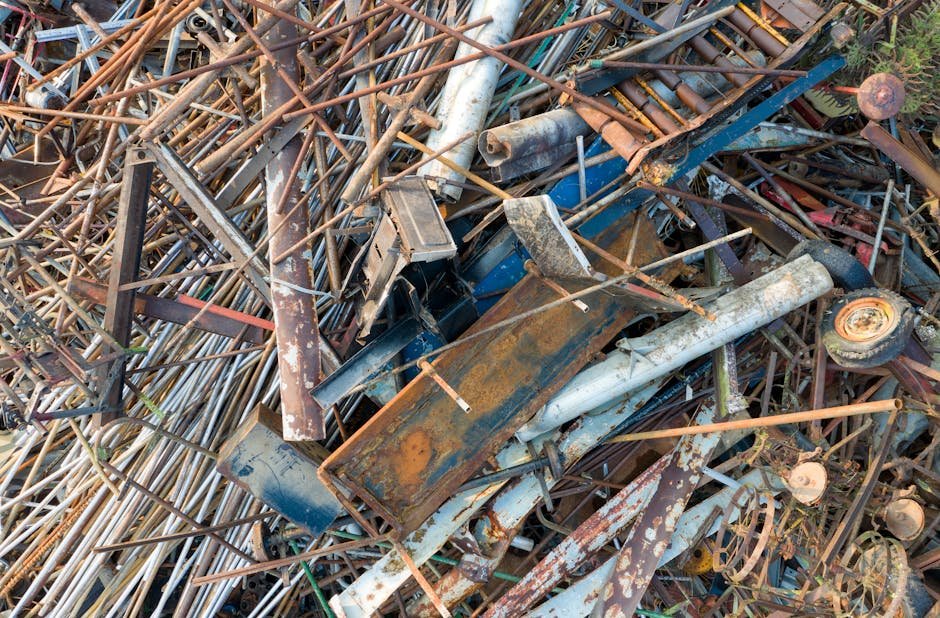
These figures represent the scrap metal prices today for clean, sorted material. Contamination, rust, or mixed loads can shave 10‑30% off the price per kg, so segregation is a direct profit driver.
Factors That Push Prices Up or Down
Three primary forces influence scrap metal prices nsw:
- Global Commodity Trends: When the LME steel price spikes, NSW buyers raise their offers to stay competitive.
- Local Supply & Demand: A drought that delays construction reduces demand for steel, pulling prices down.
- Quality & Processing Costs: Clean, pre‑sorted scrap reduces furnace time, allowing processors to pay a higher market rate.
Seasonal factors also matter. The Australian summer (December‑February) sees a construction boom, lifting the price per tonne for most grades. Conversely, the winter months often bring a modest dip as projects pause.
Recycling Process & Environmental Benefits
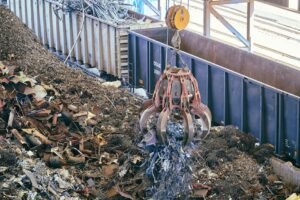
When you deliver scrap to a licensed NSW recycler, the material follows a proven loop:
- Collection & Sorting: Your load is weighed, inspected, and separated by grade.
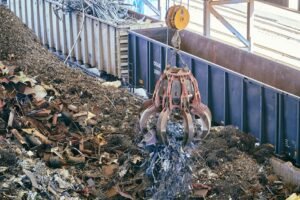
- Processing: Ferrous metal is shredded, melted in an electric arc furnace, and recast into new billets.
- Manufacturing: The billets become new building steel, automotive parts, or consumer goods.
This closed‑loop system cuts primary ore extraction by up to 60%, saves 1.5 t of CO₂ per tonne of steel recycled, and reduces landfill pressure. By choosing a reputable recycler, you not only secure the best Scrap Metal Prices Near Me but also claim a tangible sustainability credential for your business.
Ready to turn your metal waste into cash? Our platform offers real‑time current scrap metal prices, instant online quotes, and a network of certified NSW processors. Click the button below to get a free price check and schedule a pickup within 24 hours.
For deeper insight, read the Ultimate Guide to scrap metal prices in Australia. It walks you through market cycles, negotiation tips, and compliance requirements, ensuring you stay ahead of the curve.
Need a local contact? Visit ScrapTrade.com.au for a directory of accredited NSW recyclers ready to pay top market rates today.
Frequently Asked Questions
How often are scrap metal prices updated in NSW?
Most reputable platforms refresh their rates at least twice daily, reflecting global commodity shifts, local demand, and currency movements.
What grade of scrap yields the highest price per kg?
Clean stainless steel and bare copper consistently command the highest rates, often exceeding $3 per kg for stainless and $7 per kg for copper.
Can I get a better price by pre‑sorting my scrap?
Yes. Separating grades and removing contaminants can increase your payout by 10‑30% because processors spend less time cleaning and melting.
What environmental impact does recycling scrap metal have?
Recycling steel saves up to 60% of the energy needed for new production and reduces CO₂ emissions by about 1.5 t per tonne, while also diverting waste from landfills.