
Understanding scrap metal prices sydney is essential for anyone looking to sell or recycle metal in the Greater Sydney area, because the rates you receive directly affect your profit margin and the environmental impact of your material handling.
Current Scrap Metal Prices Sydney – Market Rates per Kg and Tonne
As of the latest weekly update, the most common price points in NSW are:
- Mixed ferrous scrap (e.g., old car bodies, construction steel): $0.45 – $0.55 per kg, or roughly $450 – $550 per tonne.
- Clean aluminium (e.g., beverage cans, curtain walls): $2.60 – $2.80 per kg, equivalent to $2,600 – $2,800 per tonne.
- Copper wire (uncoated): $7.00 – $8.20 per kg, or $7,000 – $8,200 per tonne.
- Stainless steel: $1.80 – $2.10 per kg.
These figures are published on the Scrap Metal Prices page and are refreshed every Monday to reflect changes in global commodity exchanges, the Australian dollar’s strength, and local demand from foundries in New South Wales.
For a quick snapshot of today’s numbers, you can also check the Current Scrap Metal Prices dashboard, which displays the price per kg alongside the price per tonne for each grade.
How Scrap Metal Prices Are Set in NSW
Pricing is not arbitrary; it follows a transparent chain of influences:
- Global commodity markets: London Metal Exchange (LME) spot prices for aluminium, copper, and steel serve as the baseline. When LME prices rise, Sydney’s rates typically follow within 48 hours.
- Exchange rates: The Australian dollar’s conversion rate to US dollars determines how much local processors can afford to pay for imported raw material.
- Domestic supply and demand: Construction booms in Western Sydney and infrastructure projects in the CBD create spikes in demand for clean steel, pushing prices upward.
- Regulatory fees: NSW’s Environmental Protection Authority (EPA) imposes a small levy on hazardous scrap (e.g., lead‑painted metal) that reduces the net price paid to sellers.
- Processing costs: Energy, labor, and transportation costs for recycling facilities in Greater Sydney affect the margin that recyclers can offer.
Because these variables shift daily, reputable yards publish a scrap metal prices table that lists the exact price per kg for each grade, allowing you to compare offers before you transport your load.
Grades of Scrap, Drop‑Off Options, and What to Expect
Knowing the grade of your material is the single most important factor in getting a fair rate. The main categories are:
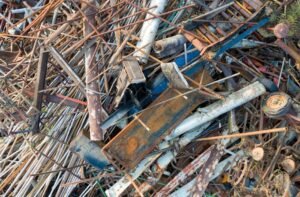
- Ferrous scrap: Includes mild steel, cast iron, and rebar. Clean, uncoated steel commands the highest price; rusted or painted pieces are downgraded.
- Non‑ferrous scrap: Aluminium, copper, brass, and zinc. These metals are valued by weight and purity. For example, aluminium with less than 5 % alloying elements fetches the top tier rate.
- Mixed or contaminated scrap: Items that contain plastic, wood, or hazardous coatings are separated first, which reduces the price you receive.
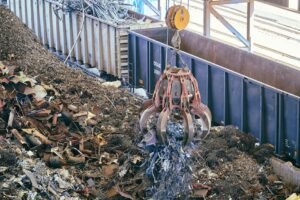
When you bring material to a yard in Sydney, staff will typically weigh the load on a calibrated scale, inspect the grade, and then apply the current market rate. Expect a brief inspection; if the material is not sorted correctly, you may be asked to re‑process it on site, which could delay payment.
Convenient drop‑off locations include:
- City South Sydney yard – open 7 days a week, accepts up to 5 tonnes per visit.
- Western Sydney hub – offers a free forklift service for loads over 2 tonnes.
- Mobile collection service – schedule a pickup through the Scrap Metal Prices Near Me portal; the driver will weigh and pay on the spot.
Before you head out, remove any non‑metal components (plastic caps, rubber seals) and separate ferrous from non‑ferrous. This preparation can increase your payout by up to 15 % because the yard spends less time sorting.
Environmental Benefits and Compliance in Greater Sydney
Recycling metal saves up to 95 % of the energy required to produce virgin material, reduces greenhouse‑gas emissions, and keeps landfill space available for non‑recyclable waste. In NSW, the EPA mandates that all commercial generators of scrap metal maintain a waste‑management plan, and many councils offer incentives for businesses that achieve a 70 % diversion rate.
By selling to a licensed recycler, you ensure that:
- Scrap is melted in high‑efficiency furnaces that capture emissions.
- Heavy metals are captured and treated rather than leaching into soil.
- Recovered metal re‑enters the supply chain, reducing the need for new mining.
For a broader view of how the Australian scrap market supports the circular economy, visit the national portal Australian scrap metal marketplace. If you are based in Sydney and need a local partner, the dedicated site ScrapTrade Australia lists certified yards, compliance certificates, and real‑time pricing tools.
In summary, keeping an eye on scrap metal prices sydney allows you to time your sale for the best market rate, sort your material to the correct grade, and contribute to a greener Greater Sydney. By using the resources above, you can maximise profit while meeting NSW’s environmental standards.
Related: alloy wheels scrap prices melbourne
Frequently Asked Questions
How often are scrap metal prices updated in Sydney?
Most reputable yards in Greater Sydney update their rates weekly, usually on Monday, to reflect changes in global commodity markets, exchange rates, and local demand.
What is the difference between price per kg and price per tonne?
Price per kg is the unit rate you see on price lists; price per tonne is simply that rate multiplied by 1,000. Some buyers quote a tonne price for large loads to simplify negotiations.
Do I need a licence to sell scrap metal in New South Wales?
Individuals can sell scrap without a licence, but commercial generators must hold a NSW waste‑management licence and keep records of all transactions for EPA compliance.
Can I get a better rate by pre‑sorting my scrap?
Yes. Pre‑sorting removes contaminants and separates ferrous from non‑ferrous metal, which reduces processing time for the recycler and can increase your payout by up to 15 %.