
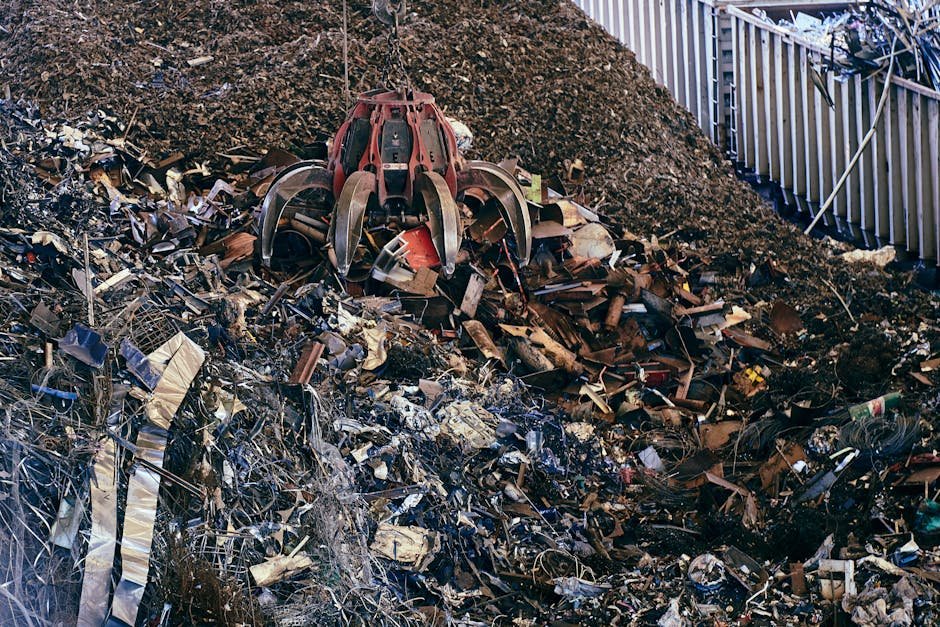

Navigating the complex landscape of a professional scrap shop requires more than just a pile of metal; it demands an understanding of material science, current market fluctuations, and logistical efficiency. Whether you are a trade professional clearing a worksite or a homeowner managing a renovation, knowing how to identify, sort, and value your metal is the difference between a wasted asset and a significant financial return. In the Australian context, the metal recycling industry operates as a vital pillar of the circular economy, transforming end-of-life products into high-value raw materials for global supply chains. When you visit a Scrap Shop Near Me: The Ultimate Guide to Metal Recycling, you are participating in a sophisticated industrial process that conserves energy, reduces landfill reliance, and lowers the carbon footprint of domestic manufacturing.
Understanding Metal Grades: The Foundation of Value
The primary determinant of value in any scrap shop is the grade of the metal. Metals are categorized based on their purity, chemical composition, and the level of contamination present. Ferrous metals, such as iron and steel, are magnetic and generally trade at lower prices per kilogram compared to non-ferrous metals like copper, aluminum, and brass. Copper, for instance, is the gold standard of the scrap industry due to its high conductivity and infinite recyclability. Bright shiny copper (Grade 1) fetches the highest price because it is free of insulation, paint, or oxidation. Conversely, copper piping with soldered joints or heavy corrosion is downgraded, as the recycling process must work harder to purify the material. Aluminum is similarly graded; clean, extruded aluminum profiles (like window frames) command higher rates than mixed aluminum scrap containing screws, plastics, or rubber seals. Zinc, lead, and stainless steel also carry specific grading criteria. Understanding these grades is critical when you prepare to Sell Scrap, as pre-sorting your loads prevents the facility from applying a ‘mixed’ or ‘dirty’ rate to your entire delivery. Professionals who consistently deliver high-quality, pre-sorted loads are often rewarded with better pricing tiers and faster processing times. Always check your magnets and verify the cleanliness of your materials before transport.
The Mechanics of Recycling: From Collection to Commodity
The journey from a discarded item to a raw commodity is a multi-stage industrial process. Once your metal arrives at the scrap shop, it undergoes rigorous inspection and weighing. Large-scale facilities utilize advanced technology, including X-ray fluorescence (XRF) analyzers, to determine the precise elemental composition of alloys. This technology ensures that high-value metals are not lost in the smelting process. Once identified, the material is processed—often through shredding, shearing, or baling—to reduce volume and facilitate efficient transport. Shredding is particularly effective for large, mixed-metal items like automobiles or white goods, as it allows magnetic separators to pull out ferrous metals while eddy-current separators eject non-ferrous materials. The resulting ‘shred’ is then cleaned of non-metallic contaminants like glass, rubber, and plastic. This refined material is sold to smelters and foundries, where it is melted down to create new ingots, billets, or sheets. This process is remarkably energy-efficient; recycling aluminum, for example, requires 95% less energy than producing it from raw bauxite ore. By utilizing services like Gmr Scrap, you are directly contributing to a system that prevents the environmental degradation associated with open-pit mining and primary metal extraction.
Environmental Impacts and Economic Sustainability
The environmental case for metal recycling is overwhelming. Every tonne of steel recycled saves over a tonne of iron ore, 600 kilograms of coal, and 50 kilograms of limestone. Beyond the immediate resource savings, the recycling industry significantly reduces greenhouse gas emissions. Traditional smelting is a carbon-intensive endeavor; by substituting virgin ore with recycled scrap, industrial plants can drastically reduce their reliance on fossil fuels. Furthermore, the scrap industry plays a crucial role in waste management. Without a robust recycling network, millions of tonnes of industrial and domestic metal would end up in landfills, where they take up valuable space and potentially leach hazardous substances into the groundwater. Economically, the industry acts as a hedge against global commodity volatility. By keeping metals in the local loop, Australian businesses reduce their dependence on expensive, carbon-heavy imported raw materials. This creates a more resilient domestic supply chain that is better equipped to handle global shipping disruptions or geopolitical instability. Whether you are looking for local insights or broader industry data, visiting Scrap Trade provides the necessary context for understanding how these macro-economic factors influence your local market.
Best Practices for Preparing Your Metal for Sale
Efficiency at the weighbridge starts at your site. To maximize your returns, follow a strict sorting protocol. First, separate your metals by type: copper, brass, aluminum, stainless steel, and ferrous. Never mix these categories, as the facility will likely grade the entire load at the lowest common denominator price. Second, prioritize cleanliness. Remove non-metallic attachments like plastic handles, rubber hoses, or wooden frames. If you are dealing with copper cabling, stripping the insulation can significantly increase the value, provided the labor cost of stripping doesn’t exceed the price premium gained. Use a dedicated area for storage to prevent oxidation and contamination from dirt or oil. Third, keep accurate records of your loads. If you are a business, maintaining a log of weights and grades helps you track your waste management efficiency and identify areas where you can reduce costs. Finally, establish a relationship with a reputable buyer. Consistency is key; when you become a known quantity, you gain access to better market insights and more transparent pricing. For those looking for comprehensive resources on the Australian market, the Australian Scrap Trading Portal offers extensive data on current industry trends and best practices for commercial operators.
Navigating Market Trends and Price Fluctuations
Metal prices are notoriously volatile, influenced by global demand, currency exchange rates, and geopolitical events. For example, a surge in construction projects in Asia can drive up the demand for iron ore and steel, leading to higher prices for ferrous scrap in Australia. Conversely, an economic slowdown can compress these margins. Understanding these trends requires a proactive approach. Monitor the London Metal Exchange (LME) or similar global indices to get a sense of where the market is trending. While you cannot control global prices, you can control your timing. If you have the storage capacity, holding onto large quantities of non-perishable scrap during a market dip can be a strategic decision. However, avoid hoarding low-value items that take up valuable space and logistical resources. Always communicate with your buyer regarding upcoming market shifts; a professional scrap shop will often provide guidance on when it is the right time to sell. By staying informed, you transform yourself from a passive seller into a strategic participant in the commodities market.
Safety, Compliance, and Regulatory Standards
Safety is the non-negotiable cornerstone of the scrap industry. Handling heavy metals, sharp edges, and industrial machinery presents significant risks. When visiting a facility, always wear appropriate personal protective equipment (PPE), including steel-capped boots, high-visibility clothing, and gloves. Be aware of traffic patterns within the yard and follow all instructions from site personnel. Compliance is equally important. The scrap industry is heavily regulated to prevent the trade of stolen goods and to ensure environmental standards are met. Expect to provide identification and potentially proof of ownership for large or suspicious loads. These measures are designed to protect the integrity of the industry and ensure that all participants operate on a level playing field. Legitimate operators will always prioritize transparency and legal compliance, which builds trust and ensures the long-term viability of the sector. By adhering to these standards, you contribute to a professional environment that benefits everyone involved in the supply chain.
Conclusion: The Future of Metal Recycling
As the world moves toward a more sustainable future, the role of the scrap shop will only grow in importance. We are witnessing a shift where ‘waste’ is no longer seen as a liability, but as a critical inventory of raw materials. Technological advancements in sorting and processing will continue to improve the purity of recycled metals, making them increasingly competitive with virgin materials. For individuals and businesses alike, the ability to effectively manage and trade scrap will become a core competency. By adopting the habits of professional sorting, staying informed about market trends, and partnering with reliable, transparent recycling facilities, you are not just clearing your worksite—you are fueling the next generation of Australian manufacturing. The circular economy is not a distant goal; it is a daily practice that starts with the decision to recycle every piece of metal correctly. Through continued innovation and a commitment to quality, the scrap industry will remain a cornerstone of environmental stewardship and economic growth for decades to come.
Related: Scrap
Frequently Asked Questions
How do I know if my metal is ferrous or non-ferrous?
The easiest way to tell is by using a magnet. If the magnet sticks to the metal, it is ferrous (iron or steel); if it does not, it is non-ferrous (such as copper, aluminum, or brass).
Why does stripping insulation off copper wire increase its value?
Stripping insulation removes non-metallic waste that would otherwise need to be processed out at the facility. Clean, bare copper is a high-purity product that is ready for immediate melting, hence the higher price.
Do I need an appointment to drop off scrap?
Most professional scrap shops accept drop-offs during standard business hours without an appointment. However, for large commercial loads or industrial clean-outs, it is best to call ahead to coordinate scheduling and ensure equipment availability.
What documentation do I need to sell scrap metal?
In Australia, you typically need to provide a valid government-issued photo ID, such as a driver’s license. Some facilities may also require an ABN for business transactions and proof of ownership for certain types of high-value items.