

Navigating the seven hills scrap metal landscape requires a deep understanding of market dynamics, material grading, and the logistical realities of the Australian recycling industry. As the industrial heart of Western Sydney continues to evolve, the demand for efficient, high-value scrap processing has never been greater. Whether you are a tradesperson, a demolition contractor, or a household resident, understanding how to maximize your returns while adhering to environmental standards is essential. This guide serves as your authoritative resource for everything related to scrap metal in the Seven Hills region, helping you turn waste into a revenue stream while contributing to the circular economy.
Understanding Scrap Metal Grades and Market Value
The foundation of any successful scrap transaction is the accurate identification and classification of metal grades. In the seven hills scrap metal market, prices are dictated by the purity, composition, and processing requirements of the material. Ferrous metals, such as iron and steel, are magnetic and generally command lower prices per tonne due to their abundance, yet they form the bulk of industrial recycling volume. Conversely, non-ferrous metals like copper, aluminum, brass, and stainless steel are significantly more valuable due to their scarcity and the energy-intensive nature of their primary production.
For those looking to maximize their returns, it is vital to consult current Scrap Metal Prices before heading to the yard. Copper is typically categorized into grades such as ‘Bright and Shiny’ (Number 1), ‘Burnt’ (Number 2), and ‘Mixed’ (Number 3). Aluminum is graded based on its cleanliness—cast aluminum, extrusions, and clean sheets all fetch different rates. When you visit a facility, ensure your materials are sorted. Mixing grades drastically reduces the value of the entire load, as the processor must account for the labor cost of hand-sorting your batch. By separating your copper piping from your aluminum window frames, you ensure that you are paid the premium rate for each specific grade.
Furthermore, the market is subject to global volatility. Factors such as international trade agreements, manufacturing demand in China, and the strength of the Australian dollar all influence local rates. If you are a large-scale generator of scrap, you should consider the logistics of bulk transport. For those interested in the broader scope of the industry, understanding How To Export Scrap Metal Internationally provides insight into why certain materials are in higher demand at specific times. Staying informed about these trends allows you to time your sales for maximum profitability.
The Recycling Process: From Collection to Commodity
The transformation of scrap metal into raw material is a sophisticated industrial process. When you drop off your scrap at a yard near Seven Hills, the material undergoes a rigorous journey. First, it is weighed on certified weighbridges to ensure transparency. Next, the scrap is inspected for contaminants like plastic, rubber, or hazardous materials. Contamination is the primary reason for downgraded pricing, so cleaning your scrap—by removing insulation from copper wire or steel bolts from aluminum components—is a practical way to increase your payout.
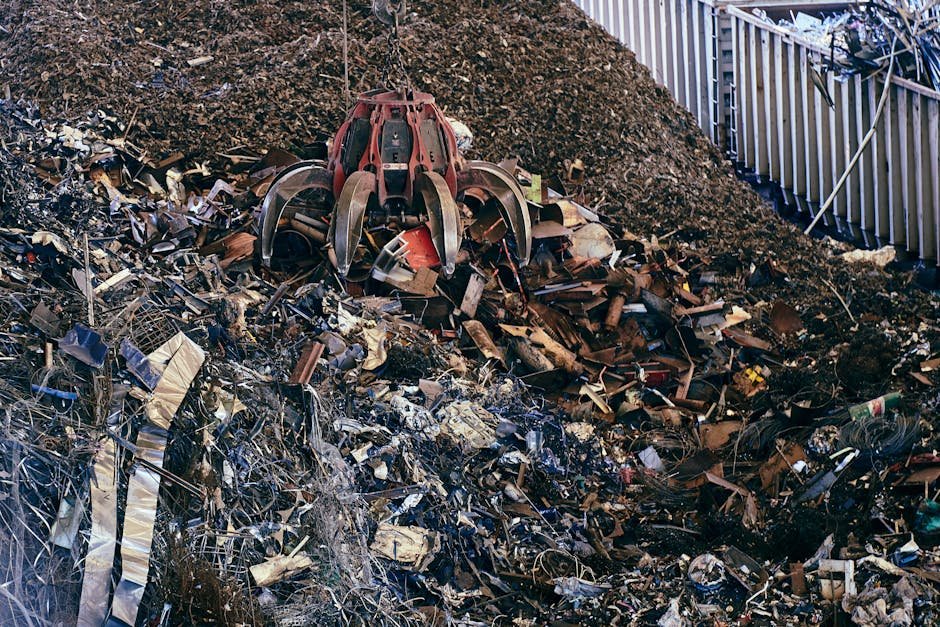
Once inspected, the metal is processed using heavy machinery. Ferrous metals are often shredded to remove non-metallic impurities, then passed under powerful magnets to separate the iron and steel from the rest of the mix. Non-ferrous metals undergo a different process; they are often baled or granulated to facilitate efficient transport. The ultimate goal is to create a ‘furnace-ready’ product that can be sold directly to smelters and foundries. This is where professional scrap metal services play a critical role, bridging the gap between local waste and global industrial supply chains.
For those frequently dealing with large volumes, establishing a relationship with a reliable facility is key. A reputable operator will provide you with clear, itemized receipts and, in many cases, offer bin services for your site. If you are searching for the Best Scrap Metal Prices Near Me, prioritize yards that offer transparent grading and modern equipment. Efficiency in processing means the facility can afford to pay more for your material, as their overhead costs per tonne are reduced through high-volume, automated workflows.
Environmental Benefits and the Circular Economy
Recycling metal is one of the most effective ways to reduce the environmental footprint of modern industry. Every tonne of recycled steel saves over a tonne of iron ore, 630 kg of coal, and 55 kg of limestone. By choosing to recycle your seven hills scrap metal, you are actively preventing the need for destructive mining practices. The energy savings are even more dramatic for non-ferrous metals; for instance, recycling aluminum uses approximately 95% less energy than producing it from raw bauxite ore. This massive reduction in energy consumption directly translates to a significant decrease in greenhouse gas emissions.
Beyond energy, recycling preserves precious natural resources and reduces the volume of waste sent to landfills. Many metals found in scrap yards are infinitely recyclable, meaning they can be melted down and reformed into new products without any loss of quality. This is the essence of the circular economy. By participating in this system, you are helping to close the loop on resource consumption. Industrial players in Seven Hills are increasingly adopting these practices not just for the cost savings, but to meet ESG (Environmental, Social, and Governance) targets. When you provide clean, sorted scrap, you are directly supporting a more sustainable future for Australian manufacturing.
Strategic Tips for Maximizing Scrap Revenue
Profitability in the scrap business is a function of preparation and timing. The first rule is to never mix metals. A single piece of brass in a bin of copper can downgrade the entire load to ‘mixed’ pricing. Second, invest in basic tools to strip insulation from wiring. While it takes time, the price difference between insulated copper wire and clean, stripped copper is substantial. Third, keep your scrap dry and protected from the elements. Rust and oxidation can negatively impact the perceived quality of your steel, particularly for specialized grades.
Another strategic move is to monitor market cycles. Scrap prices are not static; they fluctuate weekly. If you have the storage capacity, accumulate your scrap and sell when the market is trending upward. For detailed insights on how to handle your specific waste streams, refer to our comprehensive scrap metal seven hills: guide to recycling, prices & profit. This resource provides a deeper dive into the specific logistics of the Seven Hills area and how to navigate local regulations regarding waste disposal and hazardous materials.
Finally, consider the logistical cost. If you have a large volume of heavy scrap, the cost of transport can eat into your profits. Many yards offer collection services for high-volume accounts. Calculate your ‘net’ profit by subtracting your transport and labor costs from the total payout. If the math doesn’t favor a trip to the yard, look for a service that provides a skip bin on-site. This reduces your handling time and streamlines the entire process, allowing you to focus on your core business while the scrap is managed professionally.
The Future of Metal Recycling in Australia
The Australian scrap industry is undergoing a period of rapid technological advancement. From AI-driven sorting systems that use optical sensors to identify metal alloys in milliseconds, to blockchain-based tracking that ensures the provenance of recycled materials, the industry is becoming more data-centric. For the average recycler in Seven Hills, this means more accurate grading and fairer pricing. As global regulations regarding carbon footprints tighten, the demand for ‘green’ recycled metal will only increase, potentially driving prices higher over the long term.
We are also seeing a shift toward localized processing. By reducing the distance scrap travels before it is turned back into a usable commodity, the industry is lowering its overall carbon footprint. Supporting local facilities is not just a business decision; it is an investment in the local economy and the environment. By keeping the supply chain within Australia, we create jobs and ensure that our industrial base remains resilient against global supply chain disruptions. The future of the industry is bright, and those who understand the value of their scrap today will be well-positioned to benefit from the growth of the circular economy tomorrow.
Conclusion: Taking Action
Mastering the scrap metal market is about more than just knowing the price of copper. It is about understanding the value of the material you handle, the environmental impact of your choices, and the logistical strategies that maximize your bottom line. Whether you are a small business owner or a private individual, the steps you take to sort, clean, and store your metal will pay dividends. Use the resources provided in this guide to stay informed, and always remember that the most successful recyclers are those who view scrap not as waste, but as a valuable secondary resource. By engaging with reputable local operators and staying updated on market trends, you can turn your scrap metal into a consistent and profitable revenue stream while contributing to a cleaner, more sustainable Australia.
Frequently Asked Questions
What is the most valuable metal I can recycle in Seven Hills?
Copper, particularly clean, bright, and shiny copper wire, is consistently the most valuable common scrap metal. Other high-value items include brass, stainless steel, and lead.
Why does sorting my scrap metal matter for the price?
Sorting prevents contamination, which allows recyclers to process the metal faster and with less labor. Clean, sorted loads are graded higher and attract premium market rates compared to mixed, dirty scrap.
Do I need to strip insulation from copper wire before selling it?
While you can sell insulated wire, stripping it significantly increases its value because you are selling pure metal rather than a mix of copper and plastic. The labor involved in stripping is usually well-compensated by the higher price per kilogram.
How often do scrap metal prices change?
Scrap metal prices fluctuate based on global commodity markets, currency exchange rates, and industrial demand. Prices can change weekly or even daily, so it is best to check current market rates immediately before you plan to sell.