

When you ask what is scrap metal prices, you are essentially inquiring about the fluid, globalized valuation of raw materials that power the modern economy. In Australia, these prices are not static; they are the result of a complex interplay between international commodity exchanges like the London Metal Exchange (LME), local freight costs, and the specific purity of the material you bring to a yard. Understanding what is scrap metal prices requires a shift in perspective: you are not just selling waste, you are supplying a critical raw material to global manufacturers. For those looking for the most accurate data, our Ultimate Guide to scrap metal prices in Australia provides a deep dive into the historical trends that shape today’s market. Whether you are a tradesperson, a demolition contractor, or a household recycler, knowing how to track these fluctuations is the difference between a minor payout and a significant revenue stream. Many users often search for Scrap Metal Prices to stay informed, but the real value lies in understanding the localized factors that dictate what you receive at the weighbridge.
How Scrap Metal Prices Are Set and Why They Fluctuate
The market for metals is a global commodity market. When you check what is scrap metal prices, you are viewing the tail end of a supply chain that begins with global mining output and ends with industrial smelting. The LME sets the benchmark for copper, aluminum, lead, and nickel. However, the price you receive at your local yard is the LME price minus several key factors. First, transport costs are significant; moving heavy, low-value scrap from a regional town to a major port or smelting facility eats into the margin. Second, processing costs—such as stripping insulation from copper wire or shearing steel beams—are deducted from the raw commodity value. Third, the strength of the Australian Dollar (AUD) plays a massive role. Since most metals are traded in USD, a weaker AUD often results in higher local prices for Australian exporters. When searching for Scrap Metal Prices Near Me, keep in mind that yards closer to major transport hubs or those with direct export contracts often offer better rates because their overheads are lower. Furthermore, global demand from manufacturing giants in China, India, and Southeast Asia dictates the ‘buy’ pressure. If these nations are undergoing massive infrastructure projects, the demand for steel and copper skyrockets, pushing up the price per kg for everyone.
The Importance of Metal Grades and Purity
Not all scrap is created equal. The grading of your scrap is the most critical factor in determining your final payout. Yards categorize metals into specific grades to ensure the material can be processed efficiently. For instance, ‘Bright and Shiny’ copper is the highest grade of copper wire, stripped of all plastic and oxidation, fetching the highest price per kg. Conversely, ‘Burnt’ or ‘Number 2’ copper, which contains impurities like solder, plastic, or paint, will sell for significantly less. This distinction exists because the smelter must spend more energy and chemical reagents to remove those impurities. Aluminum is similarly graded; clean, cast aluminum engine blocks command a different price than ‘taint/tabor’ aluminum, which is essentially mixed scrap containing steel bolts or plastic components. To maximize your returns, you must understand these grades. Sorting your scrap before arriving at the yard is not just a courtesy; it is a financial strategy. If you mix your brass fittings with your copper pipes, the yard will often pay you the lower brass rate for the entire lot. Always check with professional metal recyclers to understand the specific sorting requirements for your local area. By providing clean, sorted, and high-grade material, you position yourself as a ‘preferred supplier’ to the yard, which can sometimes lead to better-than-advertised rates.
Factors Affecting the Current Market Rate
Beyond global commodities and grade purity, several localized factors influence the price per kg you see today. Seasonality is a factor that many overlook. Construction activity generally slows during the Australian summer holiday period, which can dampen local demand for scrap steel. Conversely, the start of the financial year often sees a surge in industrial activity. Another factor is the ‘yard’s current inventory.’ If a yard is full of copper and has no shipping containers available to export it, they may lower their buying price to discourage more intake. If they are desperate to fill a container for a pending shipment, they may raise their prices to attract volume. This is why you should always research the Best Scrap Metal Prices Near Me before loading up your trailer. Competition between yards in your local area also creates price variance. In metropolitan areas like Sydney, Melbourne, or Brisbane, high competition often leads to more transparent and competitive pricing. In regional areas, where a single yard may hold a monopoly, prices might be lower due to the high cost of logistics. Always consider the cost of fuel and time when deciding where to drop off your scrap; driving an extra 50km for a marginally higher price per kg is rarely worth the investment.
The Mechanics of Metal Recycling: From Yard to Smelter
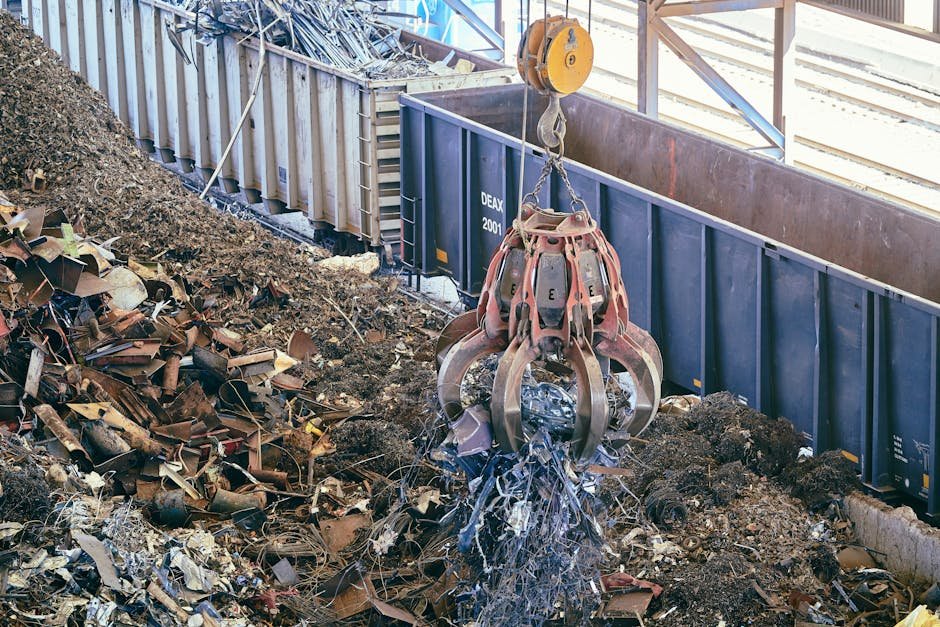
The recycling process is a marvel of industrial engineering. Once you drop off your scrap, it is weighed on a certified weighbridge. The material is then sorted, often using advanced technology like X-ray fluorescence (XRF) analyzers to determine the exact chemical composition of alloys. Steel is typically shredded into small, uniform pieces using massive industrial shredders. This increases the surface area, making it easier to melt. Non-ferrous metals like copper and aluminum are often baled into dense, uniform cubes for easy transport. Once processed, these materials are shipped to smelters where they are melted down into ingots or billets. These ingots are then sold back to manufacturers to create everything from new car parts to soda cans. This ‘closed-loop’ system is the bedrock of the circular economy. Every ton of recycled aluminum saves approximately 95% of the energy required to produce primary aluminum from bauxite ore. This is why metal recycling is one of the most environmentally significant industries in the world. By participating in this trade, you are directly reducing the need for destructive mining practices and lowering the carbon footprint of the manufacturing sector.
Environmental Benefits and the Circular Economy
The environmental impact of recycling scrap metal is profound. Primary metal production is incredibly energy-intensive and environmentally damaging. For instance, mining copper involves massive open-pit mines that disrupt ecosystems and consume vast quantities of water. By choosing to recycle, you are effectively ‘mining’ the scrap already in circulation. This reduces the demand for virgin material, preserves natural landscapes, and drastically cuts greenhouse gas emissions. In Australia, the recycling industry is a key component of our national waste strategy. When you recycle your scrap, you are preventing hazardous materials—like lead-acid batteries or mercury-containing switches—from ending up in landfills, where they can leach toxic substances into the groundwater. Furthermore, the energy savings associated with recycling are staggering. Recycling one ton of steel saves 1,100 kilograms of iron ore, 630 kilograms of coal, and 55 kilograms of limestone. These are not just abstract numbers; they represent a tangible reduction in the industrial strain on our planet. As a participant in the scrap metal trade, you are an active contributor to a sustainable future. Your decision to sort your scrap and bring it to a professional facility ensures that these valuable resources stay in the loop, rather than being discarded as trash.
Expert Tips for Maximizing Your Scrap Returns
To consistently get the best value, you need to treat scrap collection as a business. Start by investing in a reliable set of scales. If you know exactly how much your load weighs, you can verify the yard’s weighbridge accuracy. Second, keep a log of your sales. Tracking your price per kg over time will help you identify the best times to sell. If you have a large volume of non-ferrous metal, wait for a market ‘spike’ rather than selling during a dip. Third, build a relationship with your local yard manager. A professional, organized, and honest seller is a valued partner. Ask them what grades they are currently short on; they may offer you a premium to bring in specific items like clean copper piping or heavy steel plate. Fourth, ensure your scrap is ‘clean.’ Remove plastic, rubber, wood, and glass. A small amount of contamination can turn a high-value load into a low-value ‘mixed’ load. Finally, stay educated. The scrap metal market is sensitive to geopolitical events. Trade wars, supply chain disruptions, and changes in environmental regulations can shift prices overnight. By keeping an eye on global economic news, you can anticipate market movements and time your sales to coincide with peak prices. Remember, the goal is to provide the yard with a product they can move immediately to the smelter. The less work they have to do to process your material, the more they can afford to pay you for it.
Navigating the Future of the Australian Scrap Market
The future of the scrap metal industry in Australia is bright, driven by the global transition toward ‘Green Steel’ and the electrification of the transport sector. As the world moves away from fossil fuels, the demand for copper—a vital component in electric vehicles and renewable energy infrastructure—is projected to climb steadily over the next decade. This long-term trend suggests that the baseline for copper prices will remain robust, even if short-term volatility persists. Furthermore, advancements in automated sorting technology are making it easier for yards to process complex alloys, which will eventually lead to higher recovery rates and potentially better prices for the consumer. As a participant in this market, you are witnessing a fundamental shift in how we value raw materials. We are moving away from a ‘take-make-waste’ model toward a circular economy where every kilogram of metal is treated as a finite, precious resource. By staying informed, sorting your materials, and engaging with reputable, professional recyclers, you are not only securing the best financial returns for your effort but also playing a crucial role in a global movement that prioritizes sustainability and resource efficiency. The scrap metal trade is more than just a way to clear out a shed; it is a vital cog in the machinery of global industrial progress.
Frequently Asked Questions
How often do scrap metal prices change?
Scrap metal prices are highly volatile and can change daily or even hourly depending on global commodity exchange movements. Factors like currency fluctuations and international shipping demand drive these frequent adjustments.
Does the purity of my scrap metal affect the price?
Yes, purity is the single most important factor. Clean, sorted metals without contaminants like plastic, rubber, or paint command the highest price per kg because they require less processing before they can be smelted.
Why do prices vary between different scrap yards?
Price variance exists due to differences in logistics costs, local competition, and the specific export contracts a yard may hold. Yards closer to major shipping ports often have lower overheads, allowing them to offer more competitive rates.
Is it worth sorting my scrap before taking it to the yard?
Absolutely. Sorting your metal by grade ensures you are paid the top rate for each specific type rather than the lower ‘mixed’ rate for the entire load. It also builds your reputation as a professional, reliable supplier.