
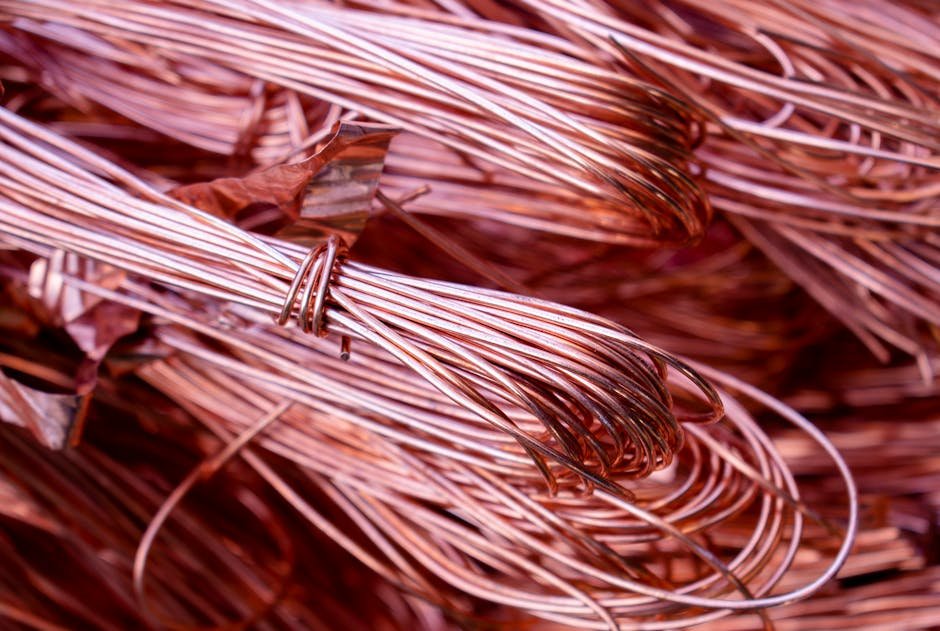

Understanding copper wire scrap prices is the cornerstone of a profitable scrap metal collection strategy in Australia. Whether you are an electrician clearing a job site or a demolition contractor, the market value of copper is dictated by global supply chains, industrial demand, and the specific grade of the material you hold. Because copper is a highly conductive, infinitely recyclable metal, it retains significant value even after its primary lifecycle has ended. Tracking current copper wire scrap prices allows you to time your sales for maximum yield, ensuring that you aren’t leaving money on the table when market fluctuations hit. For those searching for local rates, our Scrap Copper Prices Near Me tool provides real-time data to help you navigate the local landscape.
The Mechanics of Copper Wire Scrap Prices
The pricing of copper is not arbitrary; it is a complex derivative of the London Metal Exchange (LME) spot price, adjusted for local currency fluctuations and regional logistics. When you look at copper wire scrap prices, you are essentially looking at the base commodity price minus the processing costs required to turn that scrap back into high-purity copper rod. Factors influencing these prices include the strength of the Australian dollar, mining output in South America, and the manufacturing demand from China and Southeast Asia. When global inventory levels are low, demand spikes, driving up the price per kilogram. Conversely, a surplus in the market often leads to a softening of rates. It is essential to monitor Scrap Metal Prices regularly to understand these macro-trends, as they directly impact your bottom line. Traders often use hedging strategies, but for the average recycler, the best approach is to aggregate material and sell when the market shows upward momentum. If you are looking for a deep dive into the 2024 landscape, refer to our scrap copper wire prices – Complete 2024 Guide for Australia to understand the nuances of the current fiscal year.
Understanding Copper Grades and Purity
Copper is categorized into specific grades, each with its own price point. The highest value is assigned to ‘Bare Bright’ copper, which is clean, unalloyed, and uncoated copper wire, typically 16 gauge or thicker. This material is highly sought after because it requires minimal processing for refineries. Next is ‘Number 1’ copper, which may include clean, unalloyed copper pipe or heavy-gauge wire that is slightly oxidized but free of solder or paint. ‘Number 2’ copper is a lower grade that includes copper with minor contaminants like solder, paint, or light oxidation, such as old copper pipe that has been in service for years. Insulated wire is its own category; the value here depends heavily on the ‘recovery rate’—the percentage of copper metal compared to the plastic insulation. High-yield cables, such as thick THHN or industrial power lines, offer better returns than thin, low-yield communication cables. If you have a large volume of high-grade material, it is often worth the labor to strip the insulation manually or use a mechanical wire stripper to move your scrap from ‘insulated’ to ‘bare bright’ status, significantly increasing your payout.
The Recycling Process: From Scrap to Commodity
Recycling copper is a highly efficient industrial process that consumes up to 85% less energy than mining and refining virgin ore. Once you sell your scrap to a yard, the material is sorted, cleaned, and processed. Insulated wire is fed into granulators, which chop the material into small pieces. Air tables and magnetic separators then remove the plastic (PVC or polyethylene) from the copper granules. The clean copper is then melted down in a furnace, refined to remove any remaining impurities, and cast into anodes or billets. These are then rolled into new wire or tube products. This closed-loop system is why copper is considered one of the most sustainable materials on the planet. By participating in this cycle, you are not just making money; you are reducing the carbon footprint of the entire electrical and construction industry. For those dealing with large commercial volumes, knowing How To Sell Surplus Copper Wire Scrap Online can streamline your logistics and ensure you connect with buyers who have the capacity to process bulk industrial loads.
Environmental and Economic Impacts
The environmental case for copper recycling is ironclad. Mining copper is an energy-intensive, land-disturbing activity that involves massive tailing piles and water consumption. By recycling, we bypass these environmental impacts entirely. Furthermore, the economic incentive is strong. Australia’s transition to renewable energy—including solar panels, wind turbines, and electric vehicles—requires massive amounts of copper. As the world electrifies, the demand for high-quality scrap will only increase. This creates a long-term bull market for copper. Collectors who understand the value of their scrap are essentially acting as urban miners, reclaiming valuable resources that would otherwise end up in landfills. When you choose to recycle rather than discard, you contribute to a circular economy that supports local jobs in the Australian scrap metal industry. Always ensure your chosen recycler operates legally and adheres to environmental standards, as this guarantees your material is handled responsibly and that you are paid a fair market rate.
Practical Tips for Maximizing Returns
To maximize your profit, cleanliness is key. Always separate your materials by grade. Never mix bare bright copper with insulated wire or lower-grade copper pipe, as yards will almost always pay you based on the lowest-grade item in the pile. If you have copper pipe with soldered joints, try to cut the joints off; this can move the material from a lower grade to a higher grade. When dealing with insulated wire, evaluate the thickness. Thick, high-copper-content wire is worth much more than thin, plastic-heavy data cable. If you have a significant amount of cable, investing in an entry-level wire stripping machine can pay for itself in just a few hundred kilograms of material. Furthermore, keep your scrap dry and protected from the elements. Oxidation from rain and humidity can turn bright copper into lower-grade material, reducing its market value. Finally, build a relationship with your local yard. Yards value consistent suppliers who bring in clean, well-sorted material. Being a ‘clean’ seller makes you a preferred partner, which can sometimes lead to better-than-advertised rates for your loads.
Market Trends and Future Outlook
The future of copper remains bright, driven by the global shift toward electrification. As infrastructure projects expand across Australia, the demand for copper wire and cable will stay robust. However, market volatility is a constant. Geopolitical tensions, interest rate changes, and mining strikes can cause sudden price swings. Smart traders stay informed by checking daily market reports and understanding the link between copper prices and the construction sector. When construction activity is high, copper scrap volume increases, but so does the demand from manufacturers. Conversely, during economic downturns, scrap supply often tightens as fewer renovation and demolition projects take place. By staying educated and maintaining a diversified approach to your scrap collection, you can weather these cycles. Remember that copper is a finite resource; its value is fundamentally tied to its scarcity. As we continue to push towards a greener future, the role of the scrap metal industry will become increasingly critical, cementing copper as the ‘gold’ of the industrial world.
Frequently Asked Questions
Does the grade of copper wire significantly change the price?
Yes, grading is the most important factor in determining your payout. Bare bright copper commands the highest price, while insulated or contaminated copper wire is worth significantly less due to the labor and energy required to process it.
Should I strip my own insulated copper wire?
If you have a high volume of thick-gauge wire, stripping it can be highly profitable. However, for thin cables or small quantities, the time and labor involved might outweigh the price difference, so calculate your hourly wage before committing to manual stripping.
How often do scrap metal prices change?
Scrap metal prices are linked to the London Metal Exchange (LME) and can fluctuate daily. It is best to check current market rates on the day you plan to visit your local scrap yard to ensure you are getting an accurate quote.
Why is copper pipe sometimes worth less than copper wire?
Copper pipe often contains solder, fittings, or paint, which classifies it as a lower grade than high-purity, clean copper wire. Removing these contaminants before selling can help you achieve a higher price per kilogram.