
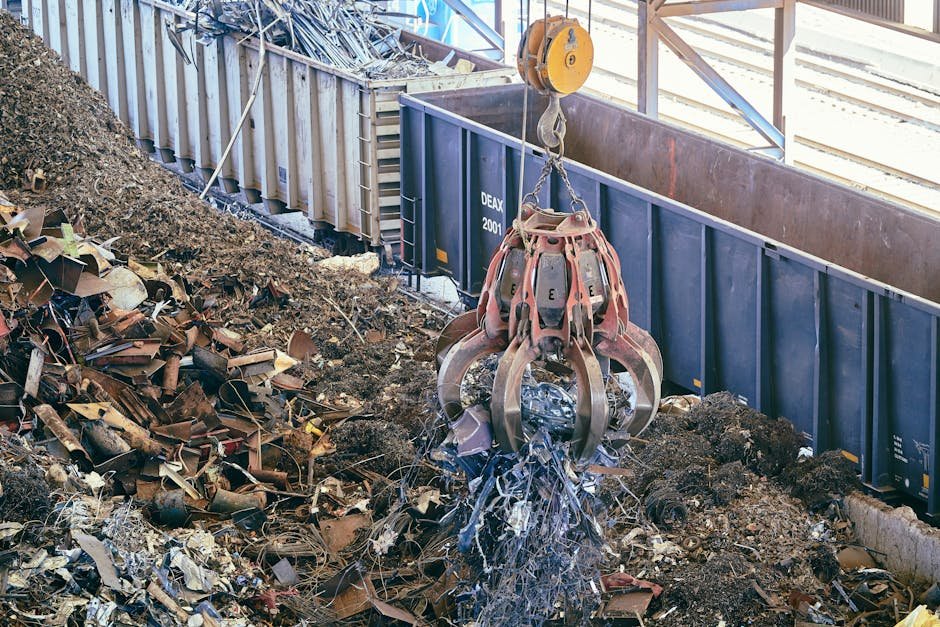

Understanding what is the scrap price for metal is the first step for any Australian business or individual looking to maximize the return on their waste materials. Because the market is dynamic, staying informed requires a deep dive into how global economic forces influence local rates. Whether you are dealing with industrial demolition waste or household cleanouts, knowing the current market rate ensures you are not leaving money on the table. In this guide, we explore the intricacies of pricing, grading, and the circular economy to help you navigate the Australian scrap industry with confidence.
The Mechanics of Metal Pricing: How Rates Are Set
The question of what is the scrap price for metal cannot be answered with a single static number because the industry operates on a complex global supply chain. Prices are fundamentally driven by the London Metal Exchange (LME), which sets the benchmark for base metals like copper, aluminum, and nickel. When you check Scrap Metal Prices, you are looking at a localized reflection of these global indices, adjusted for currency exchange rates, shipping costs, and local demand.
Local factors play an equally critical role. For instance, the cost of labor, transport, and processing facilities in Australia impacts the final offer you receive. If you are looking for specific trends, our Understanding Scrap Metal Price: A 2026 Market Guide provides a granular breakdown of why prices shift weekly. Refiners and mills dictate the demand; when construction activity in Asia or Europe spikes, the demand for Australian scrap increases, pushing the price per kg upward. Conversely, economic slowdowns can lead to a surplus, cooling the market.
Furthermore, the physical state of your metal matters. Clean, sorted, and processed metal is always more valuable than mixed, contaminated loads. Facilities like Crg Scrap Metal emphasize the importance of pre-sorting to ensure that recyclers can move material directly into the furnace without additional labor. By understanding these variables, you move from being a passive seller to an active participant in the commodity market.
Categorizing Scrap: Grades and Their Value
To truly understand what is the scrap price for metal, you must learn to grade your materials. Metals are not priced as a monolith; they are categorized based on chemical composition, cleanliness, and form. Copper, for example, is the gold standard of the scrap world. ‘Bright and Shiny’ copper—clean, unalloyed, and free of insulation—commands the highest price per kg. In contrast, copper with heavy oxidation or attached plastic shielding is downgraded to ‘Number 2’ or ‘Burnt’ copper, significantly reducing its value.
Aluminum is another major category where grading is essential. As explored in our deep dive into the Aluminum Scrap Price In 2026, the purity of the alloy determines the recycling path. Cast aluminum, like engine blocks, differs from wrought aluminum, such as sheets or extrusions. Mixing these grades can result in a lower ‘mixed aluminum’ price for the entire batch. Successful scrap sellers invest time in separating these materials at the source.
Steel is typically categorized into ‘Ferrous’ and ‘Non-Ferrous’. Ferrous metals, which contain iron, are magnetic and generally have lower value per unit compared to non-ferrous metals like brass, lead, or stainless steel. Heavy Melting Steel (HMS) is a common industrial grade that requires specific dimensions to be accepted by mills. If you are unsure about your material, visit Scrap Trade for identification tips or visit Scraptrade.com.au to connect with professional buyers who can assist with accurate grading.
Factors Influencing the Market Rate
Several macroeconomic and logistical factors dictate the current market rate for scrap. First, the strength of the Australian Dollar (AUD) is paramount. Since most metals are traded in USD, a weaker AUD often makes Australian scrap more attractive to international buyers, potentially increasing local prices. Second, energy costs are a major component. The process of smelting and refining metal is energy-intensive; when electricity or gas prices rise, the margins for recyclers tighten, which often trickles down to lower payouts for the scrap provider.
Third, geopolitical stability affects supply chains. Trade tariffs, shipping disruptions, and environmental regulations in importing countries can cause sudden shifts in demand. For example, if a major importing nation changes its import standards for contaminated scrap, the entire Australian market must pivot to meet those new, stricter requirements. This often necessitates investment in better sorting technology, which may temporarily impact the price paid to the public.
Finally, volume is a significant factor. Scrap yards operate on thin margins and high volume. A business generating a consistent, high-tonnage supply of sorted aluminum will naturally negotiate a better price per kg than an individual bringing in a single bag of mixed brass. Building a relationship with a reputable yard allows for better pricing tiers based on your long-term reliability and the quality of your output.
The Recycling Lifecycle and Environmental Benefits
Recycling metal is one of the most effective ways to reduce industrial carbon footprints. Unlike plastics, which degrade in quality with each recycling cycle, metals can be recycled indefinitely without losing their structural integrity. When you sell your scrap, you are feeding a circular economy that drastically reduces the need for virgin mining. Mining and refining ore is an incredibly destructive process that consumes vast amounts of water, energy, and land.
The energy savings are staggering. Recycling aluminum, for instance, requires approximately 95% less energy than producing aluminum from bauxite ore. By keeping metal in the loop, we reduce the demand for new mining projects, lower greenhouse gas emissions, and prevent millions of tonnes of waste from entering Australian landfills. This environmental stewardship is a core component of the modern scrap industry, transforming waste management into a vital pillar of sustainability.
For businesses, this is also a matter of compliance and ESG (Environmental, Social, and Governance) reporting. Many corporations are now required to track their waste streams and prove that their scrap is being recycled ethically. Working with certified recyclers ensures that your metal is processed in facilities that adhere to strict environmental standards, protecting you from potential liabilities associated with improper disposal.
Strategies for Maximizing Your Returns
To extract the most value from your scrap, you need a strategy. The most effective approach is to implement a ‘sort-at-source’ policy. Instead of throwing all metal into a single bin, use separate containers for copper, aluminum, brass, and steel. Contamination is the biggest enemy of value; even a small amount of plastic or rubber on a copper wire can downgrade the entire load.
Keep an eye on market trends. While you cannot predict the future, you can identify patterns. If you have a large stockpile of non-ferrous metal, it may be worth waiting for a market upswing before selling. Conversely, if you are dealing with high volumes of steel, speed of turnover may be more important than waiting for a small price hike. Regularly checking updated pricing guides is essential for making these informed decisions.
Lastly, ensure you are dealing with a reputable, licensed scrap metal merchant. A professional yard will have accurate, calibrated scales and transparent pricing policies. They will also provide you with documentation if required. By treating scrap as a valuable commodity rather than ‘trash’, you shift your perspective and your bottom line. Always ask for feedback on your loads; a good yard will tell you exactly why a load was graded a certain way, allowing you to improve your sorting process for the next visit.
The Future of Metal Recycling in Australia
As we look toward the future, the Australian scrap industry is undergoing a digital transformation. Technology is making it easier to track prices, identify alloys using handheld XRF (X-ray fluorescence) analyzers, and manage large-scale logistics. The integration of AI and automated sorting systems is also increasing the purity of output, which in turn commands higher premiums in the global market.
The push for a green economy will only increase the demand for recycled metals. With the rise of electric vehicles, renewable energy infrastructure, and advanced manufacturing, the need for copper, lithium, and aluminum is set to skyrocket. This long-term demand suggests that the scrap industry will remain a robust and essential sector of the Australian economy for decades to come. By staying informed and maintaining high standards for your material, you are positioning yourself to benefit from these long-term trends.
In conclusion, the scrap metal industry is far more than just ‘junk’. It is a sophisticated, globalized commodity market that rewards those who understand its nuances. Whether you are a tradesperson, a manufacturer, or a homeowner, the principles of grading, sorting, and market timing remain the same. By applying the insights from this guide, you can maximize your returns, contribute to a healthier environment, and play a part in the vital circular economy that powers Australia’s industrial future.
Frequently Asked Questions
How often do scrap metal prices change?
Scrap metal prices can fluctuate daily, and sometimes even hourly, based on global commodity market movements on the London Metal Exchange. Factors like currency exchange rates and local supply-demand dynamics also cause frequent adjustments.
Why is my scrap metal downgraded at the yard?
Metal is usually downgraded due to contamination, such as plastic insulation on copper wire, steel screws in aluminum parts, or oxidation. Clean, sorted, and pure metal always commands the highest market rate.
Is it worth sorting my scrap metal before taking it to the yard?
Yes, absolutely. Sorting your metals by type and removing non-metallic contaminants significantly increases the value of your load and prevents the entire batch from being priced at the lowest common denominator.
What is the most valuable scrap metal to collect?
Copper is consistently the most valuable common scrap metal due to its high demand in electrical and plumbing industries. Other high-value metals include brass, stainless steel, and certain high-grade aluminum alloys.