

Understanding the nuances of scrap aluminum value is essential for any business operating within the Australian metal recycling sector. Whether you are a demolition contractor, a manufacturing facility, or a waste management firm, the ability to accurately categorize and prepare your metal directly influences your bottom line. As global demand for lightweight, sustainable materials surges, the market for aluminum scrap has become increasingly sophisticated. This guide serves as your authoritative resource for navigating the complexities of the aluminum supply chain, from initial collection to final refinery processing.
The Fundamentals of Aluminum Grading and Classification
In the Australian market, the classification of aluminum is strictly governed by standards that separate high-value alloys from contaminated waste. The most common grade, often referred to as ‘Tense’ or ‘Talk’, covers mixed low-copper aluminum clips and solids. However, to maximize your scrap aluminum value, you must understand the difference between wrought alloys and cast aluminum. Wrought aluminum, found in extrusions like window frames and piping, generally commands a higher price due to its higher purity and ease of recycling. Cast aluminum, found in engine blocks or transmission housings, contains higher silicon content, which limits its application in secondary production. When you are Understanding Aluminum Scrap Value: A Comprehensive Guide, you realize that the presence of attachments—such as steel screws, rubber seals, or plastic coatings—acts as a significant value detractor. Refiners must pay to remove these contaminants, and those costs are passed directly back to the supplier in the form of lower gate prices. For those looking to scale their operations, utilizing a professional B2b Scrap Trading Platform can help bridge the gap between local collection and international market access, ensuring you receive competitive pricing based on real-time data.
The Lifecycle and Mechanics of Aluminum Recycling
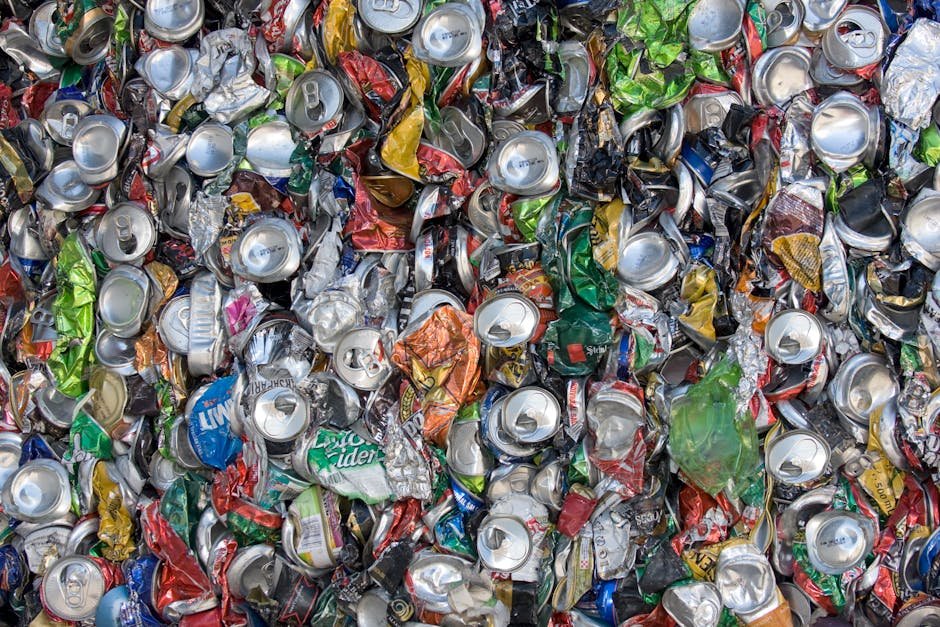
The recycling process for aluminum is one of the most efficient industrial loops in existence. Unlike plastics, which often degrade in quality during recycling, aluminum is infinitely recyclable without loss of properties. When aluminum cans are collected via kerbside programs or industrial deposit schemes, they are shredded, de-coated, and melted into ingots. This secondary production process consumes 95% less energy than producing primary aluminum from bauxite ore. For Australian businesses, this represents a massive opportunity to lower carbon footprints while generating revenue. The process begins with the identification of scrap, followed by mechanical sorting using eddy current separators to isolate non-ferrous metals. Once sorted, the material is baled or briquetted to optimize shipping density. If you are preparing to move large volumes, it is vital to learn How To Sell Aluminum Scrap In Bulk Internationally to bypass local middlemen and access higher-margin global markets. By participating in this circular economy, companies not only optimize their scrap aluminum value but also align themselves with the growing ESG (Environmental, Social, and Governance) requirements of the modern Australian corporate landscape.
Market Trends and Future Price Projections
The global aluminum market is currently experiencing a period of volatility driven by supply chain shifts and the transition to electric vehicles. As the automotive industry pivots toward lightweighting to extend battery range, the demand for high-grade secondary aluminum is expected to outstrip supply. For those tracking the Aluminum Scrap Price In 2026, the outlook suggests a sustained upward trend as carbon taxes and environmental regulations make primary aluminum production increasingly expensive. Australian recyclers are uniquely positioned to capitalize on this, provided they maintain high standards of material purity. The shift toward a circular economy means that the ‘scrap’ of today is the ‘raw material’ of tomorrow. Investors and traders should look to established hubs like Scrap Trade Australia to stay informed on regional price fluctuations and logistical requirements. By leveraging data-backed insights, businesses can transition from reactive selling to proactive inventory management, timing their sales to coincide with market peaks rather than dumping material during seasonal lows.
Environmental Benefits and Sustainability Metrics
The environmental case for aluminum recycling is undeniable. Every tonne of recycled aluminum saves approximately 14,000 kilowatt-hours of electricity and reduces greenhouse gas emissions by several tonnes compared to primary production. In Australia, where energy costs are a significant overhead for manufacturing, the adoption of recycled aluminum is a strategic business decision. Furthermore, the reduction in landfill waste contributes to national sustainability targets. When your business prioritizes the recovery of aluminum, you are contributing to a reduction in the need for bauxite mining, which helps preserve biodiversity in sensitive regions. The scrap aluminum value you capture is essentially the financial reward for participating in this vital environmental stewardship. Companies that clearly communicate their recycling rates and scrap recovery processes often find that they gain a competitive advantage in tender processes, as government and private sector clients increasingly prioritize suppliers with verified sustainable practices.
Practical Tips for Maximizing Scrap Returns
To ensure you are getting the best possible price for your aluminum, you must treat your scrap yard or collection area as a processing facility rather than a dumping ground. First, implement a strict segregation policy at the source. Mixing different grades of aluminum, such as 6063 extrusions with 5052 sheet, will result in the entire load being downgraded to the lowest common denominator price. Second, invest in basic processing equipment like a wire stripper or a hydraulic baler. Removing insulation from aluminum cables can increase the value of the material by up to 50% overnight. Third, maintain clean storage areas. Aluminum that is heavily oxidized or coated in oil and grease is less desirable to smelters. Fourth, build relationships with reputable buyers. A long-term partnership with a processor who values your consistency will often yield better results than chasing the highest spot price from a different buyer every week. Fifth, document your scrap volumes. Having a clear audit trail of what you are selling and when makes it easier to negotiate volume discounts with transport providers and premiums with end-users. Finally, stay educated. The market moves fast, and those who understand the technical specifications of the alloys they are handling are always the ones who command the highest prices in the negotiation room.
Navigating Logistical Challenges in Australia
Australia’s vast geography presents unique logistical hurdles for scrap metal trading. Transporting low-density scrap aluminum over long distances can quickly erode your margins. To mitigate this, focus on increasing the bulk density of your loads. Baling is the most effective way to optimize transport costs, as it allows you to hit legal weight limits on trucks and shipping containers. When dealing with international buyers, ensure your documentation—including certificates of analysis and export permits—is in perfect order. Many Australian exporters fail to realize that the quality of their paperwork is just as important as the quality of the metal itself. Work with specialized freight forwarders who understand the specific requirements for shipping scrap metal to Asian and European markets. By streamlining your logistics, you ensure that your scrap aluminum value is not lost to excessive freight costs or administrative delays. Remember, in the scrap industry, efficiency is the difference between a break-even operation and a highly profitable business unit. Always seek to minimize the number of times your material is handled; every touch point is a potential for contamination and an added cost to your operation.
Conclusion: The Strategic Importance of Aluminum
The aluminum industry is at a critical juncture. As the world moves toward a net-zero future, the demand for recycled aluminum will continue to climb, cementing its status as one of the most valuable commodities in the secondary market. By focusing on quality, segregation, and strategic timing, you can ensure that your organization maximizes its scrap aluminum value while contributing to a more sustainable future. Whether you are a small-scale recycler or a large industrial generator, the principles outlined in this guide provide the framework for success in a competitive global market. Stay informed, invest in your sorting processes, and treat your scrap as a valuable asset rather than a waste product. The future of the Australian scrap industry belongs to those who understand the true worth of the metal they handle and have the systems in place to extract that value efficiently and sustainably.
Related: Aluminum Scrap Price In 2026
Frequently Asked Questions
What is the most valuable grade of aluminum scrap?
Clean, segregated 6063 aluminum extrusions are typically the most valuable grade. They are preferred by smelters because they have a known chemical composition and are free from contaminants like steel, plastic, or paint.
How does contamination affect the price of aluminum scrap?
Contamination forces recyclers to spend more on processing, such as mechanical separation or chemical cleaning, which reduces the final payout. Even small amounts of steel or rubber can downgrade a high-value load to a much lower ‘mixed’ or ‘dirty’ price bracket.
Is there a difference between recycling aluminum cans and industrial scrap?
Yes, aluminum cans are typically made from a specific alloy (3000 series) and are collected in massive volumes, making them a standardized commodity. Industrial scrap varies widely in alloy composition and requires careful sorting to ensure the material meets specific metallurgical requirements for new production.
Why is the scrap aluminum value higher for processed material?
Processed material, such as baled or briquetted aluminum, is cheaper to transport and easier for smelters to feed directly into furnaces. By increasing the density of the scrap, you reduce logistical costs and provide a ready-to-use product that commands a premium over loose, un-sorted material.