

When you decide to sell copper scrap, you are participating in a multi-billion dollar circular economy that is vital to Australia’s industrial infrastructure. Whether you are a professional tradesperson clearing a job site or a homeowner with a stash of old plumbing, understanding the nuances of the metal recycling market is the difference between a modest payout and a premium return. The ability to sell copper scrap effectively requires knowledge of global commodity trends, local yard grading standards, and the logistical preparation of your materials. As the demand for refined copper grows due to the electrification of transport and renewable energy grids, the scrap industry has become increasingly sophisticated. This guide serves as your comprehensive resource for navigating the Australian market, ensuring you secure the best price per kg for every kilogram you bring to the scales.
Understanding Copper Grades and Market Value
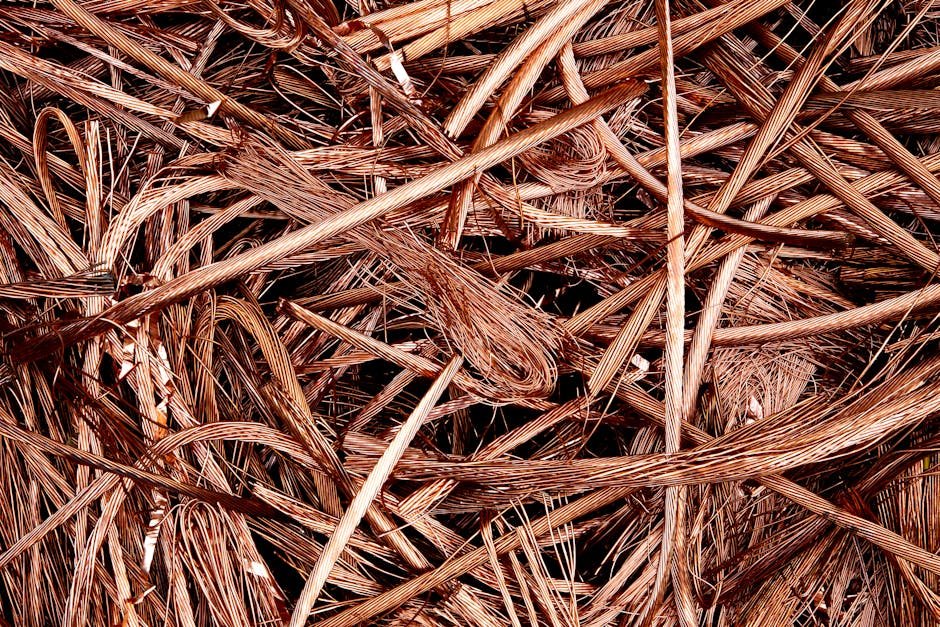
The first step to maximizing profit is accurate classification. Copper is not a monolith; its value is determined by its purity, oxidation levels, and the presence of contaminants. In the Australian market, you will encounter several primary grades that dictate the price you receive. Bare bright copper is the gold standard of the industry. This consists of clean, unalloyed, uncoated, and unoxidized copper wire—typically 16-gauge or thicker—that is free of any insulation, paint, or solder. Because it requires minimal processing by the refinery, it commands the highest price per kg. If you are looking to Sell Scrap, prioritizing the recovery of bare bright material is your most effective strategy for increasing your bottom line.
Moving down the ladder, we find Number 1 and Number 2 copper. Number 1 copper includes clean, unalloyed copper pipe and wire that may have slight oxidation but is free of solder, paint, or fittings. Number 2 copper is more common in general demolition; it may contain solder, heavy oxidation, or traces of other alloys. While the price for Number 2 is lower, it remains a highly valuable commodity. Finally, there is insulated copper wire, which is graded based on the recovery percentage of the copper core. Using a wire stripper to remove PVC or rubber insulation can often move your material from a low-value ‘insulated’ grade to a high-value ‘bright and shiny’ grade, effectively doubling your payout. Always consult a Scrap Copper grading chart before your site visit to ensure you are not being underpaid for high-quality material.
Logistics: Where to Sell and How to Get the Best Price
Finding a reliable partner is essential when you want to sell copper scrap. Not all scrap yards are created equal, and the relationship you build with a reputable dealer can lead to better pricing tiers over time. When searching for where to sell, prioritize yards that offer transparent weighing processes and real-time pricing updates. You should always compare the best price offered by multiple local facilities. Use tools like the Where to Sell Scrap Copper Near Me: Complete 2026 Guide to filter for yards that provide competitive rates and professional service. A professional scrap dealer will have calibrated scales that are certified by the National Measurement Institute (NMI). If you are dealing with large volumes, ask the yard about commercial account rates, which are often higher than the public walk-in prices.
Timing is another critical factor. Copper is a globally traded commodity on the London Metal Exchange (LME). Local scrap prices are heavily influenced by these international fluctuations, as well as the strength of the Australian Dollar. If the AUD is weak against the USD, local prices often rise. Monitor these trends weekly. Furthermore, consider the logistics of your delivery. If you have a significant volume of material, some yards may offer collection services, though this will likely be deducted from your final payout. For the best return, transport your own sorted materials to the yard. Sorting your scrap into distinct bins—separating copper pipe from copper wire, and clean copper from contaminated material—saves the yard labor costs, and many dealers will reward this efficiency with a higher price per kg.
Documentation and Legal Requirements
The Australian scrap metal industry is strictly regulated to prevent the trade of stolen goods. When you arrive at a yard to sell your material, you must be prepared to provide valid identification. Under the Second-Hand Dealers and Pawnbrokers Act in various states, scrap dealers are legally required to record the details of the person selling the metal. This typically includes a driver’s license, passport, or other government-issued photo ID. Some jurisdictions also require a record of your vehicle registration and, in some cases, proof of ownership or a statutory declaration for large quantities of industrial copper.
Do not be intimidated by these requirements; they are a sign of a professional, law-abiding business. Reputable companies, such as those listed at Scrap Trade Australia, operate with full compliance to ensure the integrity of the recycling supply chain. If a yard does not ask for identification, it is a significant red flag that they may be operating outside of legal frameworks, which can lead to issues with payment security and tax reporting. Always keep a digital or physical record of your transaction receipts. These are essential for your own accounting, especially if you are a contractor or a business owner who needs to track income for tax purposes. Being organized with your paperwork makes the entire process faster and more professional.
The Recycling Process: From Scrap to Commodity
Understanding what happens to your metal after it leaves your hands is fascinating and reinforces the value of recycling. Once you sell your copper, it is typically consolidated at the yard with other materials of the same grade. From there, it is shipped to a processing facility where it is shredded or chopped to remove remaining impurities. For insulated wire, specialized granulators use vibration and air separation to remove the plastic casing from the copper strands. The resulting clean copper is then melted in a furnace, refined to remove trace elements, and cast into ingots or billets.
These refined copper products are then sold back to manufacturers to be drawn into new copper wire for electrical grids, or rolled into copper pipe for plumbing and HVAC systems. Because copper is infinitely recyclable without losing any of its physical or chemical properties, the metal you recycle today could be part of a new piece of infrastructure in a matter of months. This process is incredibly energy-efficient. Recycling copper requires up to 85% less energy than mining and refining virgin ore. By choosing to recycle rather than sending your scrap to a landfill, you are actively reducing the demand for destructive open-pit mining and lowering the overall carbon footprint of Australia’s industrial sector.
Environmental Benefits and Sustainability
The environmental case for copper recycling is overwhelming. Copper mining is an energy-intensive process that involves massive water consumption, soil erosion, and the release of greenhouse gases. By diverting copper from the waste stream, we mitigate these impacts. Furthermore, the recycling industry provides a vital service in waste management. Without scrap yards, thousands of tons of heavy metals would end up in landfills, where they can leach into the groundwater and cause long-term environmental degradation. When you recycle, you are supporting a sustainable, circular economy that keeps valuable resources in use for generations.
Beyond the environmental impact, there is a significant economic benefit to the Australian economy. The scrap metal sector is a major employer, supporting thousands of jobs in logistics, processing, and manufacturing. When you sell your scrap to a local, compliant dealer, you are keeping that capital within your community. The industry is also pivoting toward more sustainable practices, with many yards investing in solar-powered processing equipment and advanced water filtration systems for their wash-down bays. By choosing to engage with professional recyclers, you are supporting an industry that is committed to continuous improvement and environmental stewardship.
Case Studies: Maximizing Profitability
Consider the difference between two contractors. Contractor A collects all their copper waste—insulation, fittings, and dirty wire—and throws it into a single pile. They take it to the nearest yard and accept the ‘mixed’ price, which is always the lowest possible rate. They might receive $5.00 per kg for a load that contains $8.00 per kg material. Contractor B, however, takes the time to strip the insulation from the wire using a mechanical stripper and separates their clean pipe from the dirty, soldered fittings. By spending an extra hour sorting, Contractor B earns 30% more for the exact same volume of material. This is the power of understanding grading.
Another example involves timing. A plumbing business that accumulates large amounts of copper pipe during a major renovation project can choose to sell in small, frequent batches, or store the material until the market hits a peak. By tracking the copper price per kg using industry-standard apps, they can time their sales to coincide with market highs. Even a small fluctuation of 50 cents per kg can result in hundreds of dollars of additional profit on a large load. These are not just theoretical gains; they are practical strategies used by the most successful tradespeople in the country. The key is to treat your scrap metal not as waste, but as a high-value asset that requires careful management.
Future Trends in the Copper Market
The future of the copper market is inextricably linked to the global energy transition. As the world moves away from fossil fuels, the demand for copper will continue to climb. Electric vehicles (EVs) contain significantly more copper than internal combustion engine vehicles, and wind turbines rely on massive amounts of copper for their generators and cabling. This surge in demand is expected to keep prices elevated for the foreseeable future. For those in the scrap industry, this means that your material will remain a sought-after commodity.
We are also seeing technological advancements in how scrap is processed. Automated sorting, utilizing AI and X-ray fluorescence (XRF) technology, is becoming more common in large-scale yards. This allows for near-perfect separation of alloys, which increases the value of the final output. For the individual seller, this means that the quality of your sorting will become even more important. As technology makes it easier for yards to identify exactly what is in your pile, the days of ‘getting away’ with poor sorting are ending. The market is rewarding those who provide clean, pure, and well-sorted material. By staying informed and maintaining high standards, you position yourself to capture the maximum value in an increasingly competitive and high-tech market.
In conclusion, the decision to sell copper scrap is more than just a quick way to make cash—it is a strategic move that supports your business, the environment, and the national economy. By mastering the grades, keeping an eye on market prices, and building relationships with reputable, compliant dealers, you ensure that you receive the best possible return for your hard work. Whether you are a professional or a hobbyist, the principles of sorting, timing, and transparency remain the bedrock of success in the Australian scrap industry. Use the resources provided here to refine your approach, and you will find that the scrap pile in your shed is actually a significant financial asset waiting to be realized.
Frequently Asked Questions
What is the difference between bare bright copper and number 2 copper?
Bare bright copper is clean, unalloyed, and unoxidized wire that is completely free of insulation, paint, or solder. Number 2 copper is lower quality, often containing solder, light oxidation, or paint, which requires more intensive processing to refine.
Do I need to show ID when selling scrap copper?
Yes, Australian law requires scrap metal dealers to verify the identity of sellers to prevent the trade of stolen goods. You must provide a valid government-issued photo ID, such as a driver’s license or passport, during the transaction.
How can I get the best price per kg for my copper?
To get the best price, strip all insulation from wires, remove any non-copper attachments like brass fittings or steel screws, and sort your material by grade before arriving at the yard. Additionally, check live market rates to time your sale during price peaks.
Why is it better to recycle copper instead of throwing it away?
Recycling copper is significantly more energy-efficient than mining virgin ore, reducing energy consumption by up to 85%. It also prevents heavy metals from leaching into landfills and supports a sustainable circular economy by keeping valuable resources in use.