

Understanding the current recycle stainless steel price is essential for anyone dealing with industrial or domestic scrap metal across Australia. Whether you are a demolition contractor, a metal workshop owner, or a homeowner clearing out a shed, knowing the value of your materials is the first step toward maximizing your return on investment. Unlike mild steel, which is classified as a standard ferrous metal, stainless steel is a high-value alloy containing significant amounts of nickel and chromium, which dictates its market premium. When you look to Stainless Steel Scrap Price data, you are essentially looking at a commodity index that shifts daily based on international metallurgical supply chains. Navigating this market requires more than just checking a website; it requires understanding the difference between 304 and 316 grades, the impact of contamination, and the logistics of transport. For those looking to optimize their returns, our comprehensive guide on Stainless Scrap Price How To Sell Stainless Steel Scrap For Maximum Profit provides the tactical edge needed to deal with scrap yards effectively. If you are looking for local insights, professional scrap metal traders in Australia can offer tailored advice for your specific stockpile volume.
Understanding How the Recycle Stainless Steel Price is Determined
The pricing mechanism for stainless steel is complex and driven by global commodity markets. Because stainless steel is an alloy, its value is derived from the cost of its constituent elements, primarily nickel, chromium, and molybdenum. When you research the recycle stainless steel price, you are seeing the result of the London Metal Exchange (LME) daily closing prices for these specific elements. 316 stainless steel, for example, contains molybdenum, which makes it more corrosion-resistant and significantly more valuable than the more common 304 grade. When you visit Recycle Price Stainless Steel: Latest Rates & Guide, you will notice that scrap yards apply a ‘spread’ to the LME price to cover their processing, storage, and transport costs. This spread is where the yard makes its margin. Furthermore, the volume of material you bring to the yard significantly impacts the price per kilogram. Large-scale industrial suppliers often command a higher price than a residential customer because the material is already sorted and ready for the furnace. For those interested in the global context, our Price Of Stainless Steel Per Pound Complete Guide For Buyers And Sellers explains how international conversion rates affect your local bottom line. Market volatility is a constant factor; if the global stainless steel supply exceeds demand, the price drops, and yards will lower their buying rates to mitigate risk. Conversely, when manufacturers are ramping up production, demand for recycled scrap increases, driving prices upward.
The Critical Difference Between 304 and 316 Stainless Steel
To get the best possible return, you must be able to distinguish between the grades of stainless steel. The most common grade is 304, often used in kitchen equipment, architectural cladding, and general fabrication. It is a high-quality material but lacks the specific chemical composition required for harsh, corrosive environments. 316 stainless steel, on the other hand, is the ‘marine grade’ alloy. It contains roughly 2-3% molybdenum, which provides superior resistance to chloride-induced corrosion. From a scrap perspective, 316 is consistently worth more than 304. Mixing these two grades in your scrap pile is a common mistake that will result in the yard paying you at the lower 304 rate for the entire batch. Using a simple handheld magnet is a starting point—most stainless steel is non-magnetic or only weakly magnetic—but it is not a substitute for professional chemical testing or XRF (X-ray fluorescence) analysis. When you are ready to sell, clearly separating your grades is the single most effective way to improve your revenue. If you have a large batch, ask your local yard if they can provide an XRF reading to verify the alloy content. This transparency builds trust and often leads to better long-term pricing agreements with scrap dealers.
Factors Affecting the Cost and Value of Scrap
Several variables beyond the base market price influence what you will actually receive at the scales. Contamination is the primary ‘profit killer’ in the scrap metal industry. If your stainless steel is contaminated with mild steel bolts, rubber seals, plastic handles, or glass, the scrap yard must spend time and energy removing these impurities. This cost is passed on to you in the form of a lower price per kilogram. Always remove non-metallic attachments before heading to the yard. Another factor is the current recycle stainless steel price as it relates to logistics. If you have a massive volume, the yard may offer a pickup service, but this service fee will be deducted from your payout. If you are a smaller operator, drop-off is almost always the more profitable route. Furthermore, the state of the scrap matters. Clean, sheared, and sorted scrap is highly desirable because it can be fed directly into a furnace. Dirty, rusted, or awkwardly sized pieces require additional processing (cutting or shredding), which reduces their market value. Time your sales to coincide with market peaks if possible, but remember that for most small-to-medium operators, the cost of storage and the risk of theft often outweigh the potential gains of waiting for a price spike. Consistency is key; build a relationship with a reputable dealer through the premier resource for scrap industry insights to ensure you are getting fair market value regardless of short-term fluctuations.
The Recycling Process: From Scrap to New Alloy
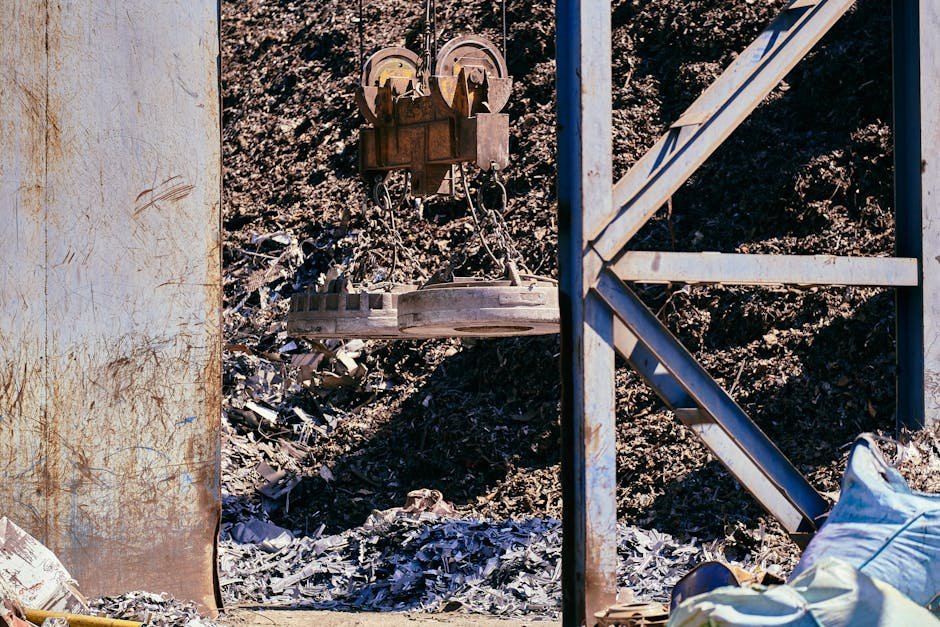
The journey of your stainless steel scrap is a fascinating industrial process. Once it reaches the scrapyard, it is sorted and inspected for quality. Ferrous materials like mild steel are separated using high-powered magnets, while stainless steel is often identified by its lack of magnetic attraction or through advanced XRF analysis. Once sorted, the scrap is baled or sheared into manageable sizes. From there, it is transported to a foundry or a specialized recycling facility. At the foundry, the scrap is melted in an electric arc furnace (EAF). This is the ‘green’ advantage of stainless steel: it can be recycled indefinitely without losing its structural properties. The molten metal is then adjusted with virgin alloying elements to meet the exact specifications required for new production. This process uses significantly less energy than producing stainless steel from raw iron ore, coal, and limestone. By recycling, you are actively contributing to a circular economy that reduces the need for environmentally damaging mining operations. This is why the industry is so focused on the recycle stainless steel price; it is a financial incentive for a process that is fundamentally better for the planet’s future.
Environmental Impact and Industry Trends
The environmental case for recycling stainless steel is compelling. The production of virgin stainless steel is energy-intensive and involves the mining of nickel and chromium, which often occurs in ecologically sensitive areas. By choosing to recycle, you are helping to reduce the carbon footprint of the metal industry. Every tonne of stainless steel recycled saves over a tonne of carbon emissions compared to primary production. In Australia, government regulations are increasingly favoring businesses that can demonstrate a commitment to sustainable waste management. This has created a secondary market for ‘certified recycled metal’ which is becoming more popular in the construction industry. As a scrap seller, you are part of this supply chain. Keep records of your recycling efforts; many businesses find that being able to report their scrap recycling volume is a valuable asset for their environmental, social, and governance (ESG) reporting. Trends in the industry are moving toward more sophisticated sorting technologies, such as AI-driven optical sorters that can identify alloys at high speeds. While this is currently the domain of large-scale recyclers, it means that the quality of the scrap you provide will be scrutinized more closely than ever before. Providing clean, sorted material is your best defense against price downgrades in this increasingly high-tech market.
Logistics: Drop-off vs. Professional Pickup
Deciding whether to drop off your material or arrange for a pickup is a common dilemma. If you have a small load (under 500kg), dropping it off at a local yard is almost always the most cost-effective option. You avoid transport fees and get paid immediately upon weighing. However, if you are dealing with industrial quantities or bulky items that require heavy machinery to move, a pickup service is necessary. When arranging a pickup, ensure you are clear about the type of material, the weight, and the accessibility of the site. Some yards provide ‘bins’ or ‘skips’ that you can fill over time. This is an excellent way to keep your site clean and organized. When the bin is full, they swap it out. While this is convenient, be aware that the price paid for bin-collected material is often lower than the price for ‘delivered’ material to account for the yard’s collection costs. Always negotiate these terms upfront. If you are a frequent seller, ask for a ‘contract price’ based on a moving average of the market. This protects you from sudden drops in the recycle stainless steel price and ensures a steady cash flow for your business. Remember, the goal is to minimize handling and maximize the purity of the load before it ever touches the scale.
Conclusion: Maximizing Your Scrap Profitability
Successfully navigating the scrap market is a blend of industry knowledge and practical execution. By understanding the factors that dictate the recycle stainless steel price, you place yourself in a position of power. You now know that 316 is more valuable than 304, that contamination is your enemy, and that the global nickel market is the engine driving your payouts. Whether you are a small-scale recycler or an industrial operator, the principles remain the same: sort your metals, keep them clean, build a relationship with a trusted buyer, and stay informed about market trends. The Australian scrap metal industry is robust, and there is always a market for high-quality stainless steel. By applying the strategies outlined in this guide, you are not just clearing out scrap—you are optimizing a revenue stream and contributing to a more sustainable industrial future. Use the tools and resources provided to ensure you are always getting the best possible value for your material. As you continue to refine your processes, you will find that the scrap yard becomes a reliable partner in your business operations, helping you turn what was once considered waste into a valuable asset.
Frequently Asked Questions
Why is 316 stainless steel worth more than 304?
316 stainless steel contains molybdenum, which provides superior corrosion resistance compared to 304. Because molybdenum is a more expensive alloying element, the scrap value of 316 is consistently higher.
Does the magnet test work for all stainless steel?
The magnet test is a useful rule of thumb but not definitive. Most stainless steel is non-magnetic or only weakly magnetic, but some grades can exhibit magnetic properties after cold working or welding, so professional XRF testing is always more accurate.
How often do scrap metal prices change?
Scrap metal prices generally fluctuate daily based on the London Metal Exchange (LME) and local market supply and demand. It is best to check with your local yard on the day you plan to sell.
What is the best way to prepare my stainless steel for sale?
The best preparation is to remove all non-metallic attachments like plastic, rubber, glass, and other metals like mild steel bolts. Keeping your scrap clean and sorted by grade ensures you receive the highest possible price per kilogram.