
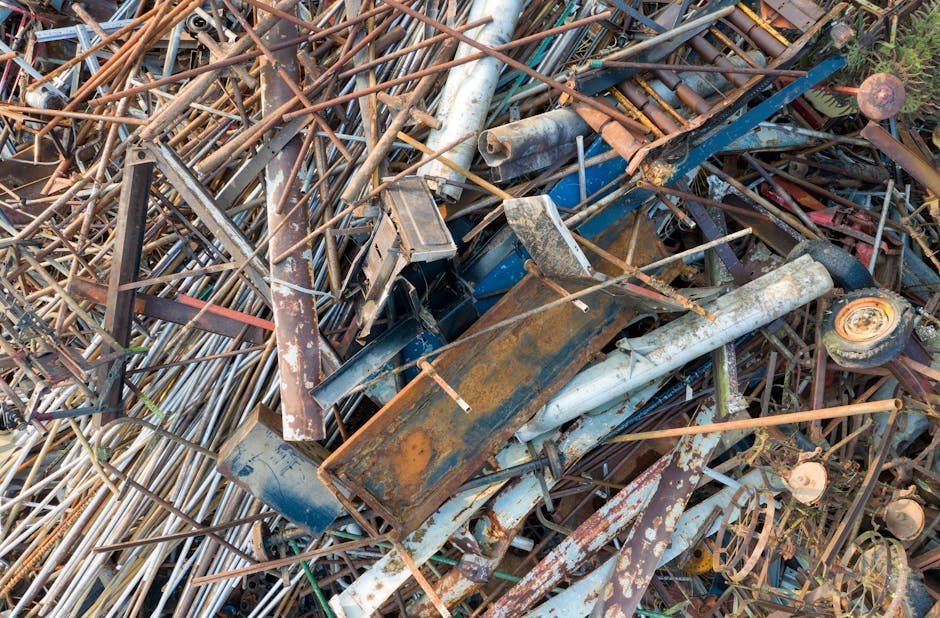

When you decide to sell scrap metal, you are participating in a sophisticated global supply chain that transforms waste into essential industrial raw materials. Understanding the nuances of the Australian recycling market is the difference between a minor payout and a significant financial return. Whether you are a tradesperson clearing a job site or a household decluttering, the process remains rooted in the principles of commodity grading and logistics. If you are looking for the most efficient path, consider our resources at Scrap Trade to streamline your operations. Navigating the market successfully requires more than just gathering metal; it demands knowledge of how to prepare, sort, and time your sales to align with current Scrap Metal Prices. For those ready to turn their waste into profit, learning How to Sell Scrap Metal: Best Price & Where to Sell is your first step toward professional-grade returns.
The Strategic Approach to Sell Scrap Metal
The Australian scrap market is driven by global demand, primarily from manufacturing hubs in Asia and Europe. When you prepare to sell scrap metal, you must view your collection as a commodity rather than trash. The most successful sellers treat their scrap yard as a staging area. Contamination is the single biggest factor that reduces value; a load of copper pipe containing brass fittings or steel screws will be downgraded to a lower price tier. Always strive to separate ferrous metals (iron and steel) from non-ferrous metals (copper, aluminum, brass, stainless steel). Non-ferrous metals consistently command higher prices due to their infinite recyclability and lower energy requirements for processing. Utilizing a magnet is your most basic tool: if it sticks, it is ferrous; if it does not, you are likely looking at a high-value non-ferrous asset. Furthermore, ensure your metal is free of plastic, wood, and rubber insulation, as these contaminants force dealers to charge processing fees that eat into your profit margins.
Identifying Scrap Grades and Material Value
Every scrap dealer operates on a grading system that dictates the price per kilogram. Understanding these grades is critical when you to sell scrap metal. Copper, for instance, is not just ‘copper.’ It is graded as ‘Bright and Shiny’ (bare, clean wire), ‘Copper Pipe’ (clean, no solder), or ‘Number 2 Copper’ (containing some oxidation or trace impurities). Aluminum is similarly segmented into ‘Extrusion’ (window frames), ‘Cast’ (engine blocks), and ‘Sheet’ (siding or roofing). By learning to identify these specific grades, you can pre-sort your materials to ensure the dealer identifies them correctly during the weighing process. You can find detailed breakdowns of these grades at Scrap Trade Australia, which provides comprehensive data on industry standards. Always verify if your scrap qualifies for the ‘clean’ grade, as even minor amounts of paint or insulation can drop a high-value item into a lower-tier scrap category. If you have large quantities, it is often worth stripping wire or removing attachments to move your material into a higher-priced bracket.
Finding the Right Partner: Where to Sell
Choosing the right scrap dealer is not just about proximity; it is about transparency and equipment accuracy. When researching Sell Scrap Metal Near Me In 2026, look for yards that provide digital, calibrated scales visible to the customer. A reputable dealer will provide a clear receipt detailing the weight, the grade of the metal, and the price per unit. Avoid yards that operate with opaque pricing or those that refuse to explain their grading criteria. For those looking for a broader overview of the market, you can Sell Scrap through various channels, including local yards, specialized metal brokers, or even online platforms that connect sellers directly to industrial buyers. If you are dealing with bulk industrial waste, negotiate a contract price that is pegged to the London Metal Exchange (LME) or the Australian domestic index to protect yourself against sudden market dips. Always ensure the dealer is licensed, as this guarantees they comply with environmental regulations and state-specific laws regarding the tracking of metal sales to prevent theft.
The Logistics of Selling: Documentation and Compliance
In Australia, the scrap metal industry is strictly regulated to curb the trade of stolen goods. When you arrive at a yard, expect to provide valid government-issued identification, such as a driver’s license or passport. Some states also require you to provide bank account details for electronic funds transfer, as many yards have moved away from cash payments to ensure a transparent audit trail. Keep a ledger of your sales, especially if you are a business, as these records are vital for tax purposes and environmental reporting. If you are transporting large loads, ensure your vehicle is roadworthy and that your load is secured according to local transport authority standards. Failing to provide the necessary documentation or attempting to sell suspicious items can lead to legal complications and immediate bans from reputable yards. Being a professional seller means being a compliant seller; the most successful traders maintain clean records, which often leads to better long-term relationships with yard managers who prioritize reliable, honest suppliers.
Maximizing Your Returns: Timing and Market Trends
The scrap metal market is cyclical. Prices are influenced by global steel production, energy costs, and the strength of the Australian dollar. To get the best price, you need to monitor market trends. When the Australian dollar is weaker, domestic scrap becomes more competitive for international buyers, often driving up prices. Conversely, if global demand for raw materials slows, prices will reflect that. A smart strategy is to accumulate your non-ferrous metals during periods of low market activity and sell when prices peak. Do not be afraid to call multiple dealers to compare rates; while a difference of a few cents per kilogram might seem negligible, it adds up significantly over a ton of material. Developing a relationship with a specific dealer can also yield ‘loyalty’ pricing, where you receive a premium over the standard walk-in rate. Always ask if they offer volume incentives for larger loads, as many yards are willing to pay more for consistent, high-quality supply streams.
Environmental Impact and the Circular Economy
Beyond the financial incentive, your decision to recycle is a fundamental pillar of the circular economy. Every ton of recycled aluminum saves approximately 95% of the energy required to produce primary aluminum from bauxite ore. Steel recycling reduces greenhouse gas emissions by 75% compared to virgin production. By choosing to recycle, you are directly reducing the need for destructive mining practices and lowering the carbon footprint of the manufacturing sector. When you sell to a licensed dealer, you are ensuring that materials are processed in facilities that adhere to strict environmental standards, preventing toxic heavy metals from leaching into landfills and groundwater. This is a vital contribution to Australia’s sustainability goals. As we move toward 2026 and beyond, the demand for ‘green’ metals will only increase, potentially creating new market premiums for recycled materials that can be traced back to sustainable sources. Your participation is not just a transaction; it is a critical step in preserving resources for future generations.
Advanced Tips for Industrial and Trades Sellers
If you are a tradesperson or industrial operator, your approach to scrap should be integrated into your business model. Implement a ‘bin system’ on your job sites, color-coding containers for different metal types to prevent cross-contamination at the source. This saves hours of sorting time later and ensures you receive the maximum grade price for every load. For large-scale demolition or construction projects, contact scrap yards to see if they offer skip bin services. They will often drop off a bin for free and collect it when full, providing you with a weight ticket and payment. This eliminates the need for you to transport the metal yourself, saving on fuel and labor costs. Furthermore, focus on ‘high-value’ items; for example, if you are replacing electrical wiring, ensure you strip the copper wire if the labor time is lower than the price difference between insulated and bare copper. Keep an eye on new technologies in the recycling sector, such as automated sensor-based sorting, which is slowly changing how yards value mixed loads. By staying informed and professional, you position yourself as a preferred supplier, ensuring you always get the best price in the market.
Frequently Asked Questions
What is the most important factor in getting the best price for scrap metal?
The most important factor is separating your metals by grade and removing all contaminants like plastic, rubber, or non-metal attachments. Clean, sorted loads are always valued higher than mixed, contaminated scrap.
Do I need to bring identification when selling scrap metal?
Yes, in Australia, you are legally required to provide valid government-issued photo identification when selling scrap metal to a licensed dealer. This is a standard security measure to track transactions and prevent the sale of stolen property.
Why are ferrous and non-ferrous metals priced differently?
Non-ferrous metals like copper, aluminum, and brass are more valuable because they are rarer and cheaper to re-process into new products compared to ferrous metals like steel and iron. Ferrous metals are abundant and require more energy-intensive refining processes.
How can I find out the current market price for my scrap?
You can monitor market prices by checking industry-specific news sites, tracking the London Metal Exchange (LME) indices, or calling local scrap yards directly for their current buy rates. Prices fluctuate daily, so it is best to check just before you plan to sell.