

When you decide to sell scrap steel, you are participating in a multi-billion dollar circular economy that powers Australian infrastructure. Whether you are a trade professional clearing a construction site or a homeowner disposing of old appliances, understanding the logistics of the ferrous metal market is critical for profitability. The process to sell scrap steel is far more than just dropping off a load; it requires strategic planning, knowledge of market fluctuations, and a clear understanding of how to sell scrap to reputable buyers who offer fair market rates.
Understanding Ferrous Metals and Steel Grades
Not all steel is created equal, and your profit margins depend entirely on your ability to identify and separate different metal grades. Ferrous metals, which contain iron and are magnetic, form the bulk of the scrap market. The most common category is mild steel, which covers everything from structural beams and rebar to vehicle frames and white goods. When you How to Sell Steel Scrap for Maximum Profit in 2026, you must understand that recyclers categorize steel based on density, thickness, and purity. Heavy melting steel (HMS) is highly sought after because it is clean and easy to melt in electric arc furnaces. Conversely, light iron—often referred to as ‘thin’ or ‘tin’—is less valuable because it has a high oxidation rate and melts away quickly during the smelting process. To maximize your return, avoid mixing high-grade heavy steel with light, contaminated scrap. If you have specialized alloys, you might also want to research the current Stainless Steel Scrap Price, as these contain chromium and nickel, making them significantly more valuable than standard carbon steel.
How the Recycling Process Transforms Your Scrap
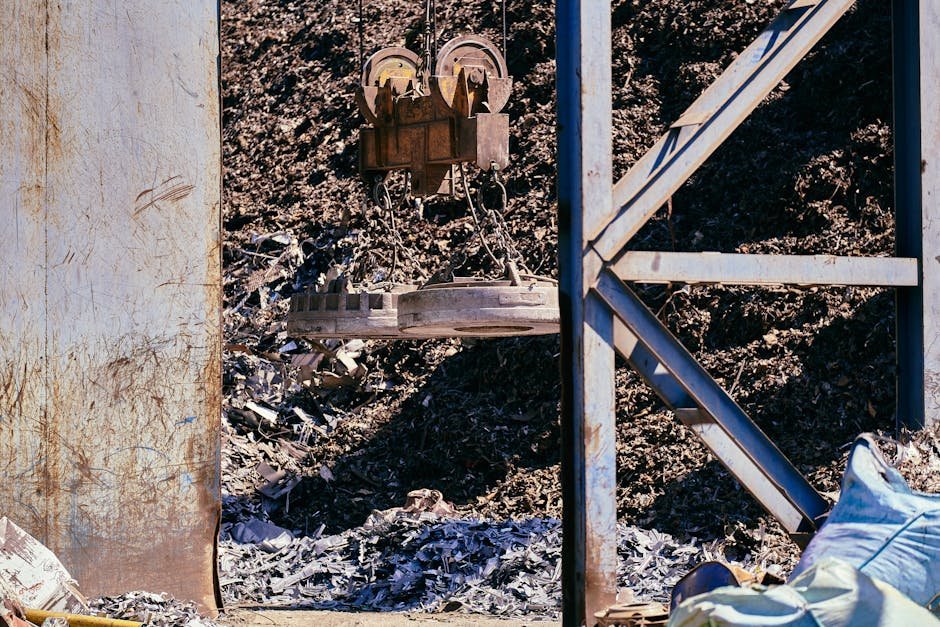
The journey of your scrap begins the moment it hits the weighbridge at a professional scrap dealer. Once weighed, the material is sorted using high-powered magnets and eddy current separators to remove non-metallic impurities like plastic, rubber, or wood. This is why cleaning your scrap before arrival is a non-negotiable step to ensure you receive the best price. Once sorted, the steel is processed through a heavy-duty shredder or hydraulic shear, reducing it to manageable pieces that can be easily transported to steel mills. At the mill, the scrap is melted in an electric arc furnace, where it is refined and alloyed to create new steel products. This process is remarkably energy-efficient; recycling steel uses up to 75% less energy than producing new steel from iron ore. By choosing to sell scrap steel, you are actively reducing the carbon footprint of the Australian construction and manufacturing sectors, supporting a sustainable future for the industry.
Strategic Tips to Get the Best Price per Tonne
Securing the best price per tonne is an exercise in timing and preparation. Steel prices are volatile and influenced by global demand, particularly from major manufacturing hubs in Asia. Before you head to the yard, check the current market trends on Scrap Trade to get a baseline for what your load should be worth. Always call ahead to confirm the current buying rate for your specific grade. If you have a high volume of material, inquire about commercial pickup services or specialized bin hire, which can save you significant transport costs. When looking for a place to Sell Scrap Metal Near Me In 2026, prioritize yards that utilize certified digital weighbridges. Transparency is key; you should be able to see the readout of your weight clearly. Furthermore, avoid ‘dirty’ loads. If your steel is covered in concrete, oil, or excessive rust, the dealer will downgrade your material to a lower price tier or charge a disposal fee for the contaminants. Clean, sorted, and prepared scrap is always the most profitable.
Compliance and Documentation Requirements
In Australia, the scrap metal industry is strictly regulated to prevent the trade of stolen goods. When you arrive at a yard, you must be prepared to present valid government-issued photo identification, such as an Australian driver’s license or passport. Under current legislation, many states require scrap dealers to record your details and the nature of the transaction. This is a standard security measure designed to protect the integrity of the recycling industry. If you are selling on behalf of a business, ensure you have your ABN ready, as this may be required for tax reporting purposes. Always ask for a printed weighbridge ticket that itemizes the weight and grade of the scrap you have sold. Keeping these records is essential for your own accounting and ensures you have proof of sale should any discrepancies arise. For those looking for a professional and compliant partner, Scrap Trade Australia provides extensive resources on industry standards and local regulations.
Environmental and Economic Impacts
The environmental benefits of steel recycling are profound. Steel is 100% recyclable without losing its structural integrity, meaning a steel beam from a 1950s building can be melted down and reborn as a modern vehicle component or a new structural support. This infinite recyclability makes steel the backbone of the circular economy. By diverting scrap from landfills, you prevent heavy metals from leaching into groundwater and reduce the need for destructive open-cut mining. Economically, the scrap industry provides thousands of jobs across Australia, from collection and logistics to high-tech processing and smelting. When you sell to a local dealer, you are circulating money back into your local economy, supporting small businesses that provide essential waste management services. The decision to recycle is not just a financial one; it is a commitment to responsible resource management that benefits the entire nation.
Maximizing Your Returns: A Case Study in Efficiency
Consider the difference between two contractors. Contractor A drops off a mixed load of rusted fencing, concrete-encased rebar, and miscellaneous light iron. The dealer classifies this as ‘mixed light iron,’ the lowest value grade, and deducts a fee for the concrete contamination. Contractor B spends two hours separating the structural steel from the light iron and uses a hammer to knock off the loose concrete. Contractor B receives a premium rate for the structural steel and a fair rate for the light iron, resulting in a 40% higher total payout. This case study demonstrates that your preparation time is essentially a high-hourly-wage task. The more you refine your sorting process, the higher your return per tonne. Always aim to separate your steel into distinct piles: heavy structural, light iron, and stainless or alloyed steel. This simple act of organization is the single most effective way to ensure you are getting the best price for your scrap.
Choosing the Right Scrap Dealer
Not all yards are created equal. When selecting a partner to handle your scrap, look for long-standing businesses with a reputation for honesty and transparent pricing. A good dealer will be happy to explain how they grade your metal and will provide you with a printed receipt that matches the weight shown on the scale. Avoid dealers who offer ‘cash under the table’ without proper documentation, as this is often a sign of an unregulated operation that may not offer fair market rates. Instead, look for yards that offer electronic payments and maintain a clean, organized facility. A professional yard will have dedicated bays for different metal types and will be able to handle large industrial volumes with ease. By building a long-term relationship with a reliable dealer, you can often negotiate better rates for recurring loads and gain insights into upcoming market shifts that could benefit your business. Remember, the goal is to establish a mutually beneficial partnership where you provide clean, high-quality scrap and they provide consistent, fair compensation.
Related: Sell Scrap
Frequently Asked Questions
What is the most important factor in getting the best price for scrap steel?
The most important factor is sorting your scrap by grade and removing all contaminants like concrete, rubber, or plastic. Clean, sorted steel is always valued higher than mixed or ‘dirty’ loads.
Do I need identification to sell scrap steel in Australia?
Yes, you must provide valid government-issued photo identification, such as a driver’s license or passport. This is a legal requirement for scrap dealers to ensure transparency and prevent the trade of stolen items.
How often do steel prices change?
Steel prices are subject to global market fluctuations and can change daily or weekly based on supply and demand. It is recommended to contact your local scrap dealer for the most current price per tonne before you transport your material.
What happens to the steel after I sell it?
Your scrap is weighed, sorted, and processed into smaller, manageable pieces. It is then transported to a steel mill, where it is melted in an electric arc furnace to be manufactured into new steel products.