
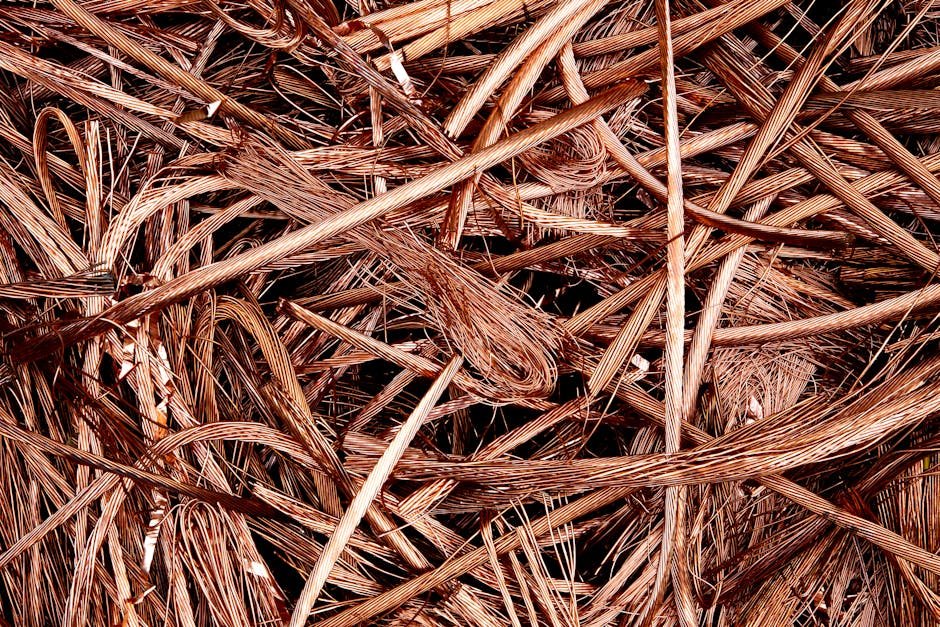

If you are looking to engage in scrap copper recycling Panania, you are participating in a vital segment of the circular economy that helps preserve Australia’s natural resources. Copper is one of the most highly valued industrial metals due to its exceptional electrical conductivity and thermal properties. Because copper can be recycled infinitely without losing its physical or chemical properties, it remains a cornerstone of the global metal trade. Whether you are a tradesperson, a demolition contractor, or a homeowner clearing out a renovation site, understanding how to grade, prepare, and sell your copper is essential for maximizing your profit and supporting sustainable practices.
The Economics of Scrap Copper Recycling Panania
Understanding the local market is the first step in successful scrap metal management. In the Sydney metropolitan area, the demand for high-quality, clean copper is consistently high. When you participate in scrap copper recycling Panania, you are tapping into a sophisticated supply chain that moves material from local collection points to large-scale smelting facilities. The price you receive is heavily influenced by global market fluctuations, which are tied to the London Metal Exchange (LME).
To navigate this market, it is helpful to understand the distinction between trading and processing. If you are interested in the broader industry dynamics, our guide on Scrap Trading Vs Recycling Business explains how these two sectors interact to keep the economy moving. Furthermore, if you are located in neighboring suburbs, you might find that services for scrap copper recycling roselands or scrap copper recycling punchbowl follow similar protocols, though pricing can vary based on volume and transport logistics. Always check the current copper price per kg before heading to a yard, as these figures change daily based on purity and market demand.
Identifying and Sorting Copper Grades
Not all copper is created equal. The value of your scrap depends entirely on its grade, which is defined by the level of contamination, oxidation, and insulation present. To get the best payout, you must sort your materials before arriving at the recycling facility.
- Bare Bright Copper: This is the highest grade available. It consists of clean, unalloyed, uncoated, and uninsulated copper wire or tubing. It must be free of oxidation (no black or green tint) and paint.
- Number 1 Copper: This is slightly less pure than bare bright. It includes clean copper pipe and heavy-gauge wire that is free of solder, lead, or other attachments.
- Number 2 Copper: This grade includes copper that has some impurities. This might be copper pipe with solder joints, or wire that has been painted or coated. It is still valuable but commands a lower price than Number 1.
- Insulated Copper Wire: This refers to electrical cables that still have their plastic or rubber coating. The value here is determined by the “recovery rate”—the amount of actual copper metal inside the insulation.
By organizing your scrap into these categories, you save the recycling yard time, which often leads to better professional relationships and potentially higher payouts. For those managing large quantities, joining a Copper Scrap Group can provide insights into market trends and bulk-selling strategies.
The Process: How Recycling Works
The journey from a discarded copper pipe to a new electrical component is a fascinating industrial process. Once your copper reaches a facility, it undergoes a multi-stage transformation. First, the material is weighed on certified scales to ensure transparency. Next, it is inspected for contaminants like steel, plastic, or brass. If the copper is insulated, it is fed into a granulator—a machine that chops the wire into tiny pieces and uses air density or magnetic separators to strip away the plastic insulation, leaving behind clean copper granules.
These granules, along with solid copper scrap, are then compressed into dense bales. These bales are transported to a smelter, where they are heated to over 1,000 degrees Celsius. The molten copper is refined to remove any remaining trace elements and cast into ingots or rods, which are then sold to manufacturers to create new wiring, plumbing components, or renewable energy infrastructure. For more information on finding a reputable facility, you can search for Scrap Metal Recycling Near Me to locate certified yards in your vicinity.
Environmental Benefits of Copper Recovery
The environmental case for scrap copper recycling Panania is overwhelming. Mining virgin copper is an energy-intensive and environmentally destructive process. It requires massive open-pit mines, significant water usage, and the production of toxic tailings. In contrast, recycling copper requires up to 85% less energy than producing copper from raw ore. By choosing to recycle, you are directly reducing the carbon footprint associated with metal production and preventing the need for new mining operations.
Furthermore, recycling keeps metal out of landfills, where it would otherwise take up space and potentially leach chemicals into the soil over time. As the world transitions toward a greener future, the demand for copper in electric vehicles, wind turbines, and solar panels is skyrocketing. Every kilogram of copper you recycle helps meet this demand without further depleting the Earth’s crust. As an industry leader, Scrap Trade Australia advocates for these sustainable practices to ensure a cleaner future for the next generation.
Practical Tips for Maximizing Your Returns
To ensure you get the best value for your effort, follow these expert tips:
- Strip your wires: While it is labor-intensive, stripping insulation off heavy-gauge copper wire can significantly increase the grade and the price you receive per kilogram.
- Keep it clean: Remove brass fittings, solder, or steel attachments from your pipes. A “clean” load is always worth more than a “dirty” load.
- Store it properly: Keep your copper in a dry, covered area. Oxidation (the green or black coating) lowers the grade of your copper.
- Monitor the market: Prices fluctuate. If you have a large stockpile, wait for a peak in the market rather than selling during a dip.
- Build relationships: If you are a regular supplier, talk to the yard manager. Consistent, high-quality loads can often negotiate better rates.
For those interested in the technical side of the industry, our platform at Scrap Trade provides extensive resources on how to manage your scrap inventory effectively. Whether you are a professional contractor or a hobbyist, treating your scrap as a valuable commodity rather than waste is the key to profitability.
Safety and Compliance in Metal Recycling
Working with scrap metal involves inherent risks. Heavy lifting, sharp edges, and exposure to industrial machinery require strict adherence to safety protocols. Always wear heavy-duty gloves, steel-capped boots, and high-visibility clothing when handling scrap. Furthermore, ensure that all copper is legally obtained. Reputable recycling yards in Australia are required to comply with strict regulations, including checking identification for large transactions to prevent the trade of stolen goods. By maintaining accurate records and operating transparently, you contribute to a legitimate, professional industry that benefits everyone.
The Future of the Copper Industry
The future of the copper industry is inextricably linked to the global energy transition. As we move away from fossil fuels, the electrification of everything—from transport to home heating—will rely heavily on copper. This long-term demand ensures that the value of scrap copper will remain high for decades to come. By participating in the local recycling ecosystem, you are not just making money; you are participating in a critical global supply chain that is essential for modern technology. Stay informed, keep your materials sorted, and choose partners who prioritize sustainability and fair pricing.
Frequently Asked Questions
As you become more involved in the industry, you will likely have questions about specific scenarios. Below are the most common inquiries we receive regarding metal recycling.
Frequently Asked Questions
Is it worth stripping insulation from copper wire?
Yes, if you have the time and the right tools, stripping wire significantly increases its grade and the price paid per kilogram. However, ensure the labor cost does not outweigh the price difference between insulated and bare copper.
How do I know if my copper is Number 1 or Number 2?
Number 1 copper is clean, unalloyed, and free of oxidation or solder. Number 2 copper typically contains impurities like solder joints, paint, or minor oxidation, making it less pure and therefore lower in value.
Does the price of copper change daily?
Yes, copper prices are tied to the London Metal Exchange and fluctuate based on global supply, demand, and economic conditions. It is always recommended to check current local rates before heading to the yard.
What documents do I need to sell scrap metal in Australia?
Most reputable scrap yards require a valid government-issued photo ID, such as a driver’s license, to comply with local regulations and prevent the trade of stolen goods. Some yards may also require bank details for electronic payment processing.