
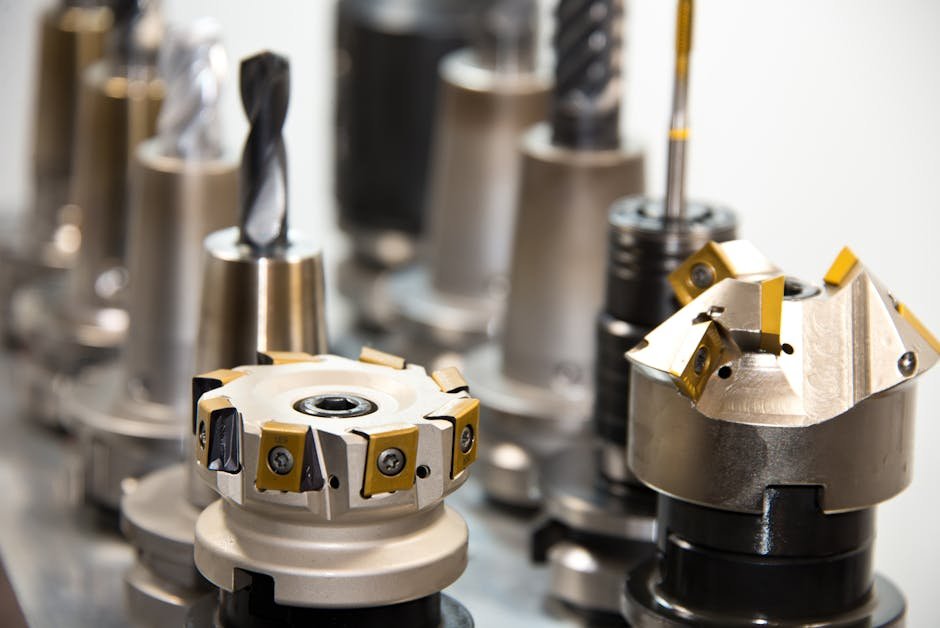

Professional carbide recycling is a critical component of the modern circular economy, particularly for industries reliant on high-precision machining and heavy manufacturing. Tungsten carbide, often referred to as cemented carbide, is a composite material prized for its extreme hardness and thermal resistance. Because tungsten is a finite and geographically concentrated resource, recycling these materials is not just an environmental imperative but an economic necessity for Australian businesses.
Understanding the Value of Tungsten Carbide
Tungsten carbide is primarily composed of tungsten and carbon, held together by a metallic binder—usually cobalt. This unique matrix makes it indispensable for cutting tools, drill bits, and wear-resistant components. When these tools reach the end of their operational life, they retain significant intrinsic value. Unlike many other scrap metals, carbide does not lose its chemical integrity during the recycling process. This allows it to be reprocessed into virgin-quality powder, closing the loop on a high-value supply chain.
In the Australian industrial sector, companies that neglect to separate their carbide from general scrap are essentially throwing away significant capital. By engaging with a reputable carbide buyer, businesses can turn what was once considered industrial waste into a reliable revenue stream. Understanding the difference between pure carbide and contaminated scrap is the first step in maximizing your return.
The Lifecycle of Carbide and Industrial Scrap
The journey of a carbide tool often begins in the mining or automotive sectors. As tools wear down, they are replaced, creating a steady stream of scrap. This is where Carbide Recycling How To Recover Sell And Profit strategies become essential for facility managers. Proper sorting at the source prevents cross-contamination with high-speed steel (HSS) or stainless steel, which can drastically reduce the value of your scrap load.
Interestingly, carbide is also found in various sectors beyond machining. For instance, in the context of vehicle recycling, while carbide is not a primary component of the chassis, specialized cutting tools used by car wreckers to dismantle end of life vehicle (ELV) components often end up in the scrap bin. As the auto parts industry evolves, the demand for high-quality recycled materials grows. By participating in the Recycling Community, businesses can stay informed about market fluctuations and best practices for material handling.
How to Identify and Sort Carbide for Maximum Profit
Successful carbide recycling requires a keen eye and the right tools. The most common way to identify carbide is by its weight; it is significantly denser than steel and will feel surprisingly heavy for its size. Furthermore, it is non-magnetic or only weakly magnetic depending on the cobalt content, and it will spark differently than steel when touched to a grinding wheel—typically producing a duller, orange spark rather than the bright yellow/white shower associated with iron-based alloys.
To get the best price from recycling buyers, follow these steps:
- Keep it clean: Remove brazed tips from steel shanks whenever possible. While some buyers accept “dirty” carbide, you will receive a higher price per kilogram for clean, processed inserts.
- Segregate by type: If you have large quantities of specific grades, separate them.
- Avoid contamination: Keep carbide away from ceramic inserts, cermets, and HSS bits.
- Store safely: Use sturdy, leak-proof containers to prevent loss and ensure easy weighing.
If you are unsure where to take your sorted materials, searching for Metal Recycling Near Me can help you locate local facilities that have the capability to handle specialized tungsten scrap. For larger industrial volumes, it is often better to partner with a specialized firm that understands the nuances of the global tungsten market.
The Technical Process of Carbide Reclamation
Once the scrap reaches a facility, it undergoes a sophisticated reclamation process. The most common method is the Zinc Process, where the carbide is immersed in molten zinc. The zinc reacts with the cobalt binder, causing the material to expand and crumble into a porous mass. The zinc is then distilled off, and the remaining material is crushed and milled into a fine powder. This powder is then analyzed and adjusted to meet the specific requirements of tool manufacturers.
Another method is chemical leaching, which uses acids to dissolve the binder, leaving the tungsten carbide particles intact. Both methods are highly efficient and significantly more energy-efficient than mining virgin tungsten ore. By choosing to work with a professional scrap trading platform, you ensure that your materials are processed using environmentally responsible methods that adhere to Australian standards.
Environmental and Economic Impacts
The environmental footprint of mining tungsten is substantial, involving heavy earth-moving and chemical processing. In contrast, carbide recycling uses a fraction of the energy required to produce new tungsten from ore. From an economic perspective, the scrap market is a hedge against the volatility of raw material prices. When global supply chains are disrupted, recycled tungsten becomes a vital source of material for domestic manufacturing, ensuring that Australian industries remain competitive.
Furthermore, by diverting these heavy metals from landfills, companies prevent potential soil and groundwater contamination. This commitment to sustainable practices is increasingly important for companies looking to maintain their social license to operate. Whether you are a small workshop or a large-scale automotive recycler, every kilogram of carbide kept out of the waste stream contributes to a healthier, more sustainable future.
Best Practices for Facility Managers
To implement an effective scrap management program, start by designating a specific area for carbide storage. Clearly label bins to prevent staff from accidentally tossing carbide inserts into the general steel skip. Educate your team on the value of the material; when employees understand that their scrap has monetary value, they are far more likely to participate in proper sorting protocols.
Consider establishing a relationship with a reliable Australian scrap trading partner that provides transparent pricing and reliable logistics. Regular pickups not only keep your workspace tidy but also ensure that your capital is not tied up in idle inventory. Always request weight tickets and grade reports to track your recovery rates over time. This data can be invaluable for auditing your operational efficiency and identifying where tool waste might be occurring in your production line.
Future Trends in the Carbide Market
The demand for tungsten is projected to rise as the global transition to renewable energy and advanced manufacturing continues. As electric vehicles (EVs) become more common, the infrastructure required to service them—including precision machining equipment—will drive further demand for high-performance carbide tools. This creates a feedback loop where the need for recycled material will only increase.
We are also seeing advancements in additive manufacturing, where recycled carbide powders are being used to create complex geometries that were previously impossible to machine. This evolution in manufacturing technology means that the quality of your scrap matters more than ever. The cleaner and more consistent your sorted carbide, the higher its value in the emerging market for secondary raw materials.
Conclusion: Turning Scrap into a Strategic Asset
Carbide recycling is far more than a simple waste disposal task; it is a strategic financial decision. By integrating robust sorting practices and partnering with established industry experts, businesses can recover significant value from their end-of-life tooling. Whether you are dealing with small batches of inserts or large quantities of industrial wear parts, the key to success lies in consistency, cleanliness, and collaboration with the right buyers. Take the time to audit your current waste streams, implement proper storage solutions, and leverage the expertise of the broader recycling community to ensure your business remains at the forefront of the circular economy.
Frequently Asked Questions
How can I tell if my scrap is tungsten carbide?
Tungsten carbide is extremely dense and heavy compared to steel. It is usually non-magnetic or weakly magnetic and produces a dull, orange spark when ground, unlike the bright white sparks of high-speed steel.
Why is it important to separate carbide from other metals?
Mixing carbide with steel or other alloys contaminates the batch, which significantly lowers its market value. Keeping it clean and segregated ensures you get the highest price per kilogram from buyers.
Does the condition of the carbide affect its value?
Yes, clean carbide (free of brazed steel shanks, ceramic inserts, or heavy oxidation) commands a higher price. While some buyers accept ‘dirty’ carbide, the processing costs are deducted from your payout.
How often should I sell my carbide scrap?
There is no set rule, but it is generally best to sell when you have accumulated enough to make transport cost-effective. Monitoring market trends on a scrap trading platform can also help you identify peak pricing periods.