
Scrap sale online is revolutionizing the way Australians trade and recycle metals. From understanding grades of scrap to leveraging digital marketplaces, this guide provides a comprehensive breakdown of how recycling works, its environmental impact, and practical steps for maximizing profits. Whether you’re a seasoned trader or new to the industry, this resource will help you navigate the evolving landscape of scrap metal sales.
Understanding Scrap Metal Grades
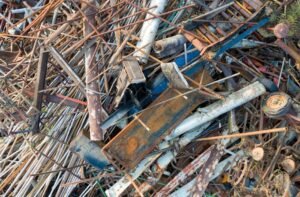
Scrap metal is categorized into grades based on composition, purity, and usability. The two primary categories are ferrous and non-ferrous metals, each with distinct recycling values and applications:
- Ferrous Metals: Contain iron and are magnetic. Common types include steel, iron, and cast iron. These are widely used in construction and manufacturing.
- Non-Ferrous Metals: Free of iron and include aluminum, copper, brass, and stainless steel. They are non-magnetic and valued for their corrosion resistance and conductivity.
Specialized grades, such as shredded auto scrap or construction demolition metal, also exist. Accurate grading ensures fair pricing and efficient recycling. For example, pure aluminum commands higher prices than mixed scrap due to its lower processing costs.
How Recycling Works: From Scrap to Resource
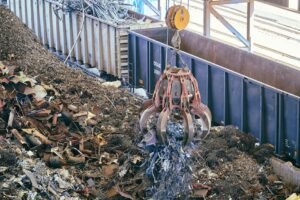
Recycling scrap metal is a multi-step process designed to recover raw materials and reduce environmental impact. Here’s a detailed breakdown:
- Collection: Scrap is gathered from industrial sites, households, and demolition projects.
- Sorting: Advanced technologies like eddy current separators and magnets distinguish ferrous from non-ferrous metals. Manual sorting also ensures purity.
- Shredding/Processing: Scrap is broken down into smaller pieces, removing contaminants like plastics and glass.
- Smelting: Metals are melted into molten form, ready to be cast into new products.
Recycling bypasses the energy-intensive mining process, making it a sustainable alternative. For instance, recycling aluminum uses 95% less energy than producing it from raw bauxite.
Environmental Benefits of Scrap Recycling
Recycling scrap metal offers significant ecological advantages. According to the Australian Department of Agriculture, Water and the Environment:
- Every ton of recycled steel saves 2,500 pounds of iron ore and 1,400 pounds of coal.
- Recycling aluminum reduces greenhouse gas emissions by 95% compared to primary production.
By diverting scrap from landfills, recycling also minimizes soil and water contamination. Additionally, it reduces the need for new mining operations, preserving natural habitats.
Practical Tips for Selling Scrap Online
Scrap sale online platforms streamline the trading process, offering competitive pricing and accessibility. Here’s how to optimize your sales:
- Choose the Right Platform: Join Online Scrap Auctions to bid on high-value lots or use marketplaces like https://scrap.trade for instant pricing.
- Prepare Your Scrap: Sort materials by grade and remove contaminants. Clean metals fetch higher prices.
- Track Market Trends: Prices fluctuate based on global demand. Subscribe to industry reports or use scrap trade online tools for real-time updates.
For example, selling copper wiring online can yield 20-30% more than traditional methods, thanks to direct access to buyers.
The Future of Scrap Trade: Why Online Growth Matters
The shift to online scrap trade is driven by efficiency, transparency, and scalability. Platforms like scrap online reduce middlemen, giving sellers better profit margins. For buyers, digital tools enable precise grading and instant transactions.
Explore why sellers are moving online to learn how automation and AI are transforming the industry. By 2025, the global scrap metal market is projected to exceed $200 billion, with digital platforms capturing 40% of this growth.
Case Study: Successful Online Scrap Sales
A scrap yard in Sydney used https://scrap.trade to auction 10 tons of copper wiring. By sorting materials and listing them on the platform, the seller achieved a 25% price increase over local buyers. The auction format also attracted international bidders, maximizing returns.
Similarly, a construction company in Melbourne recycled 500 tons of shredded auto scrap via online platforms, reducing landfill costs by 60% and earning rebates for sustainable practices.
Conclusion
Scrap sale online is more than a trend—it’s a sustainable, profitable solution for Australia’s recycling needs. By understanding metal grades, leveraging digital platforms, and embracing recycling’s environmental benefits, traders can thrive in this evolving market. Whether you’re a small business or large industrial operation, the tools and knowledge are available to maximize your returns while protecting the planet.
Start Trading Today
Ready to begin? Visit https://scrap.trade to access Australia’s largest online scrap marketplace. For further reading on industry trends and sustainability, check out https://scraptrade.com.au for expert insights and resources.
FAQs
- What are the most valuable scrap metal grades?
Non-ferrous metals like copper, aluminum, and stainless steel typically command higher prices due to their purity and demand in electronics and construction.
- How can I determine the grade of my scrap?
Use a magnet to test for ferrous content. Non-ferrous metals will not be magnetic. For precise grading, consult a certified recycling center.
- What are the environmental benefits of recycling scrap?
Recycling conserves natural resources, reduces energy consumption, and minimizes landfill waste. For example, recycling one ton of steel saves 2,500 pounds of iron ore and 1,400 pounds of coal.
- How does online scrap trading work?
Online platforms allow sellers to list scrap by grade and quantity. Buyers bid or purchase at fixed prices, ensuring transparency and competitive returns.
Frequently Asked Questions
What are the most valuable scrap metal grades?
Non-ferrous metals like copper, aluminum, and stainless steel typically command higher prices due to their purity and demand in electronics and construction.
How can I determine the grade of my scrap?
Use a magnet to test for ferrous content. Non-ferrous metals will not be magnetic. For precise grading, consult a certified recycling center.
What are the environmental benefits of recycling scrap?
Recycling conserves natural resources, reduces energy consumption, and minimizes landfill waste. For example, recycling one ton of steel saves 2,500 pounds of iron ore and 1,400 pounds of coal.
How does online scrap trading work?
Online platforms allow sellers to list scrap by grade and quantity. Buyers bid or purchase at fixed prices, ensuring transparency and competitive returns.