
Scrap trade online has revolutionized the recycling industry in Australia, offering a streamlined way to manage metal waste while promoting sustainability. Understanding the grades of scrap, recycling processes, and environmental benefits is critical for maximizing value and reducing ecological impact. This guide provides an in-depth exploration of these topics, along with practical tips for participating in the scrap trade ecosystem.
Grades of Scrap Metal: What You Need to Know
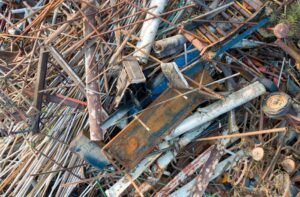
Scrap metal is categorized into grades based on its composition, condition, and recyclability. The two primary classifications are ferrous and non-ferrous metals:
- Ferrous metals contain iron and include steel, wrought iron, and cast iron. These are magnetic and often used in construction and manufacturing.
- Non-ferrous metals do not contain iron and include aluminum, copper, brass, and stainless steel. These are non-magnetic and valued for their corrosion resistance.
Each grade has distinct market values. For example, copper and aluminum are among the highest-valued due to their widespread industrial applications. Aluminium scrap sellers must ensure their materials are clean and free of contaminants to maximize returns. Proper grading ensures accurate pricing and efficient recycling.
How Recycling Works: From Collection to Reuse
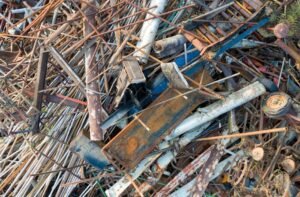
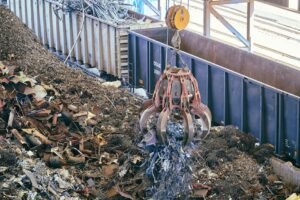
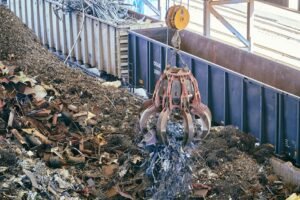
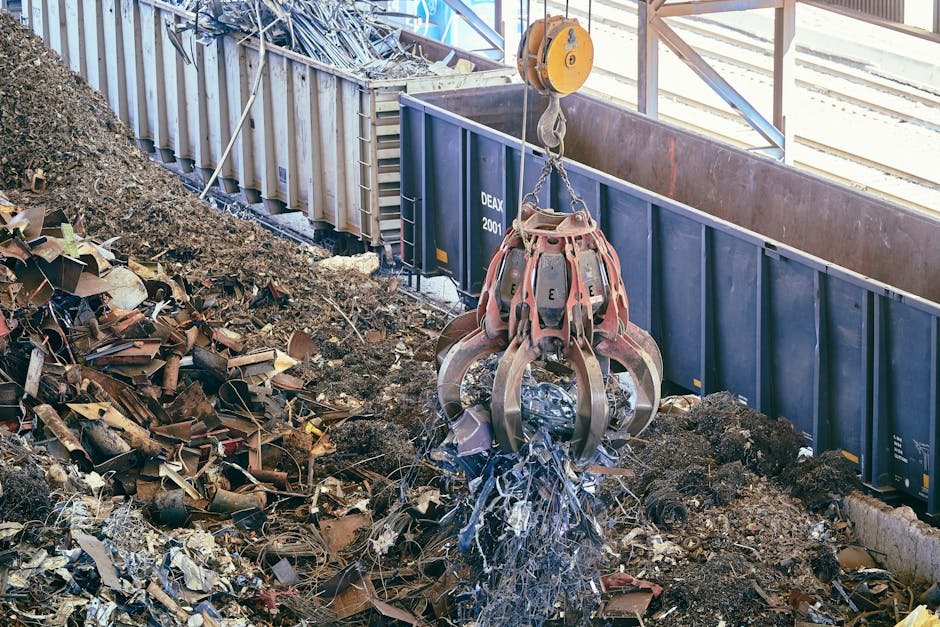
The recycling process begins with the collection of scrap metal from industrial sites, households, and demolition projects. Once collected, materials are sorted into ferrous and non-ferrous categories using magnetic separators and eddy current machines. Contaminants like plastic and rubber are removed through manual or automated sorting.
After sorting, the metal is shredded or baled for easier handling. Ferrous metals are typically melted in blast furnaces, while non-ferrous metals are processed in electric arc furnaces. The molten metal is then cast into ingots or sheets, ready for reuse in manufacturing. This closed-loop system reduces the need for raw material extraction, conserving natural resources.
Recycling also lowers energy consumption. For instance, producing aluminum from scrap uses 95% less energy than from bauxite ore. This efficiency makes recycling a cornerstone of sustainable industrial practices.
Environmental Benefits of Scrap Recycling
Scrap trade online contributes significantly to environmental conservation by reducing waste, conserving energy, and lowering greenhouse gas emissions. Key benefits include:
- Landfill reduction: Recycling diverts millions of tons of metal waste from landfills annually.
- Energy savings: Recycling metals requires less energy than producing new ones, cutting carbon footprints.
- Resource preservation: Recycling reduces the demand for mining, protecting ecosystems and biodiversity.
Studies show that recycling one ton of steel saves 2,500 pounds of iron ore, 1,400 pounds of coal, and 120 pounds of limestone. By participating in scrap trade online, businesses can align their operations with global sustainability goals while benefiting financially.
Why Scrap Trade Online Is Growing in Australia
The rise of scrap trade online platforms in Australia is driven by technological advancements, regulatory support, and market demand. These platforms offer several advantages:
- Transparent pricing: Real-time market data helps buyers and sellers negotiate fair prices.
- Convenience: Users can list, bid, and trade scrap from anywhere, eliminating the need for physical market visits.
- Market efficiency: Automated matching systems connect buyers with the right grades of scrap quickly.
Platforms like Scrap Trade and ScrapTrade.com.au provide tools for tracking transactions, verifying certifications, and accessing logistics services. This digital shift has made scrap recycling more accessible to small businesses and individuals.
Practical Tips for Scrap Trade Online Success
To maximize benefits from scrap trade online, follow these best practices:
- Accurate grading: Sort materials by grade and purity to avoid rejections or price disputes.
- Documentation: Maintain records of transactions, certificates of origin, and compliance with environmental regulations.
- Choose reliable platforms: Use platforms with verified buyers, secure payment systems, and 24/7 support.
- Stay informed: Monitor market trends and adjust trading strategies accordingly.
For scrap trade beginners, starting with small volumes and building a network of trusted partners can reduce risks and increase profitability.
The Future of Scrap Trade Online
As demand for sustainable practices grows, scrap trade online will continue to evolve. Emerging technologies like blockchain for traceability, AI-driven pricing models, and IoT-enabled logistics will further enhance efficiency. Governments and industries are also promoting circular economy policies, which prioritize recycling and reuse.
For businesses, integrating scrap trade into their supply chain can reduce costs and improve ESG (Environmental, Social, and Governance) ratings. Individuals can contribute by recycling household metals through local programs or online platforms.
Conclusion
Scrap trade online is a vital component of Australia’s transition to a sustainable economy. By understanding metal grades, recycling processes, and environmental benefits, stakeholders can make informed decisions that drive profitability and ecological responsibility. Whether you’re an aluminium scrap seller or a buyer seeking reliable sources, leveraging digital platforms ensures transparency and efficiency. As the industry grows, embracing innovation and collaboration will be key to maximizing the potential of scrap trade online.
Related: How Scrap Trade Online Works
Frequently Asked Questions
What are the common grades of scrap metal in Australia?
The primary grades include ferrous metals like steel and cast iron, and non-ferrous metals such as aluminum, copper, and brass. Non-ferrous metals are typically higher in value due to their versatility and resistance to corrosion.
How does the online scrap trading process work?
Scrap trade platforms allow users to list available materials, view real-time pricing, and connect with buyers. Transactions are facilitated through secure payment systems, and logistics are often managed via integrated services.
What environmental benefits does scrap recycling offer?
Recycling reduces landfill usage, conserves energy (e.g., 95% less energy for aluminum), and minimizes mining-related ecological damage. It also lowers carbon emissions by reducing the need for raw material processing.
Can individuals participate in scrap trade online?
Yes, individuals can sell household scrap metals like copper wiring or aluminum cans through platforms that accept small volumes. Some services also provide pickup and sorting assistance.