
Scrap trading AI is revolutionizing Australia’s recycling industry by combining advanced algorithms with scrap metal valuation, grading, and market analysis. This guide breaks down the intricacies of scrap grades, the role of AI in modern recycling, and the environmental benefits of this tech-driven approach. Whether you’re a seller, trader, or sustainability advocate, understanding scrap trading AI is key to maximizing efficiency and reducing waste in the circular economy.
Understanding Scrap Grades and AI Analysis
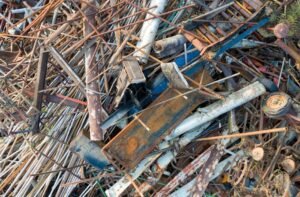
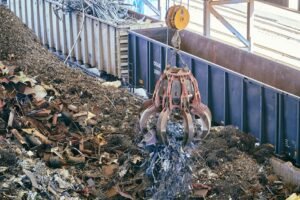
Scrap metal is categorized into grades based on material type, purity, and usability. Ferrous metals (e.g., steel, iron) and non-ferrous metals (e.g., copper, aluminum) form the backbone of the industry. Scrap trading AI leverages machine learning to identify and grade scrap with precision, ensuring accurate pricing and efficient sorting. For example, AI-powered systems use spectral analysis to detect alloy compositions, eliminating guesswork in transactions.
- Ferrous Scrap: Magnetic metals like steel, often used in construction and manufacturing. AI helps assess corrosion levels and weight.
- Non-Ferrous Scrap: Non-magnetic metals with higher value, such as copper wiring or aluminum cans. AI tools grade these by identifying impurities and conductivity.
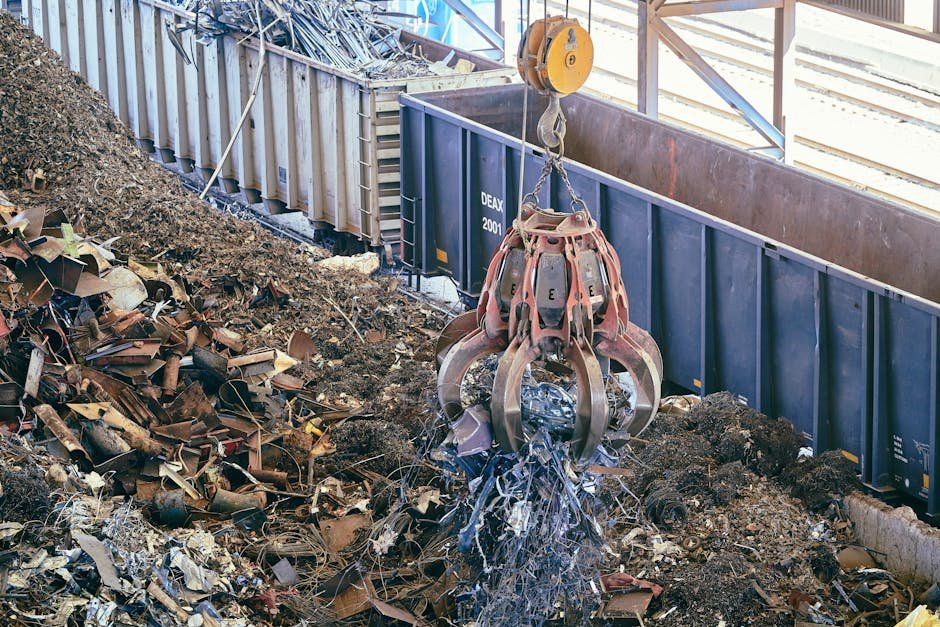
- Shredded Scrap: Mixed materials processed into bundles. AI algorithms predict the ferrous/non-ferrous ratio for bulk sales.
For deeper insights into “What Is Scrap Trade”, explore how these grades impact market demand and pricing.
How AI Enhances Recycling Processes
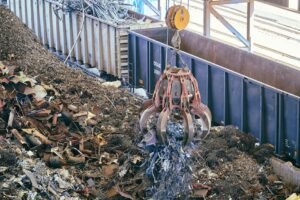
Recycling scrap metal involves collection, sorting, processing, and reselling. Scrap trading AI streamlines each step by integrating with B2B scrap trading platforms to automate tasks like:
- Sorting: Optical sensors and AI-powered robots separate metals by grade, reducing manual labor and errors.
- Pricing: Real-time market data analysis ensures fair pricing for sellers and buyers.
- Logistics: Route optimization algorithms minimize transportation costs and carbon footprints.
This technology is particularly valuable in Australia, where strict environmental regulations require recyclers to track emissions and resource recovery rates. Visit our platform to see how AI-driven tools simplify compliance and scalability.
Environmental Benefits of Scrap Trading AI
Recycling reduces the need for raw material extraction, conserving energy and lowering greenhouse gas emissions. Scrap trading AI amplifies these benefits by:
- Reducing Landfill Waste: AI-driven sorting ensures 95%+ material recovery rates, diverting millions of tons of scrap from landfills annually.
- Lowering Carbon Footprints: Recycling aluminum saves 95% of the energy required to produce new aluminum, while AI optimizes this process.
- Conserving Resources: By reusing metals, AI-powered systems cut down on mining-related habitat destruction and water usage.
For businesses, these efficiencies translate to cost savings and improved ESG (Environmental, Social, and Governance) ratings. Learn more about Scrap Trade Australia’s sustainability initiatives.
Practical Tips for Sellers Using Scrap Trading AI
If you’re looking to Sell Scrap in Australia, here’s how scrap trading AI can help:
- Use Online Scrap Platforms: Online scrap marketplaces connect you with buyers who use AI for instant grading and offers.
- Track Market Trends: AI tools predict price fluctuations for grades like copper or stainless steel, helping you time sales strategically.
- Prepare Materials: Clean and sort scrap before selling to maximize AI-graded value. Contaminants reduce payouts.
For beginners, start with small volumes and test different grades. Scrap trading apps provide real-time feedback on your materials’ quality.
The Future of AI in Scrap Trading
As scrap trading AI evolves, we’re seeing innovations like blockchain for transparent transactions, IoT sensors for real-time monitoring, and AI-driven sustainability reports. Australian companies leading this shift include B2B scrap trading platforms that integrate with global recycling networks. Governments and businesses alike are investing in AI to meet climate goals, with Australia aiming to boost its recycling rate to 80% by 2030.
Overcoming Challenges in AI Adoption
Despite its benefits, scrap trading AI faces hurdles like data privacy concerns and initial implementation costs. Recyclers must also train staff to use AI tools effectively. However, long-term savings in labor, energy, and compliance make these investments worthwhile. Collaborations between AI developers and scrap trading platforms are critical to refining algorithms for Australia’s diverse industrial needs.
Case Studies: AI in Action
Several Australian facilities have adopted scrap trading AI with measurable success:
- Steel Recycling Co: Cut sorting errors by 40% using AI-powered optical sorters, increasing revenue by $2M annually.
- Aluminum Refinery Ltd: Reduced energy consumption by 15% by optimizing AI-driven melting processes for non-ferrous grades.
These examples highlight how scrap trading AI isn’t just a trend but a necessity for competitive and sustainable operations.
Conclusion: Embracing AI for a Greener Future
Scrap trading AI is reshaping Australia’s recycling landscape by making the industry more efficient, profitable, and eco-friendly. From grading metals to tracking environmental impact, AI tools empower stakeholders to make data-driven decisions. As technology advances, staying informed about these innovations will be crucial for anyone involved in scrap trade—whether you’re managing a large facility or selling scrap for the first time.
Frequently Asked Questions
What are the main grades of scrap metal analyzed by AI?
Scrap trading AI evaluates ferrous metals (e.g., steel, iron), non-ferrous metals (e.g., copper, aluminum), and shredded scrap. AI tools use spectral analysis and imaging to determine purity, weight, and usability for accurate pricing.
How does AI improve recycling efficiency?
AI optimizes sorting, reduces manual labor errors, and predicts market trends for better pricing. It also tracks environmental metrics like carbon savings, ensuring compliance with sustainability regulations.
What environmental benefits does scrap trading AI offer?
By maximizing material recovery and reducing landfill waste, AI cuts carbon emissions by up to 70% compared to traditional methods. It also lowers energy use in metal production and conserves natural resources.
How can I start selling scrap using AI tools?
Use online scrap platforms that integrate AI for instant grading and pricing. Prepare clean, sorted materials and leverage AI-driven market data to time your sales effectively.