
Scrap trading is a dynamic industry that plays a vital role in Australia’s circular economy. Understanding the grades of scrap, recycling processes, and environmental benefits is essential for businesses and individuals looking to participate in this sector. This guide provides a comprehensive overview of scrap trading, from identifying metal grades to leveraging technology for efficient transactions.
Grades of Scrap Metal: Types and Identification
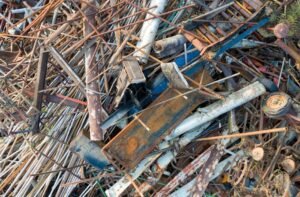
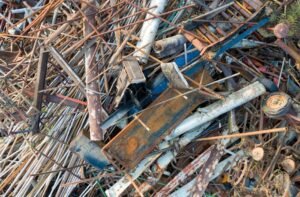
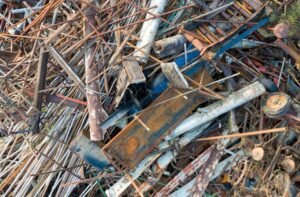
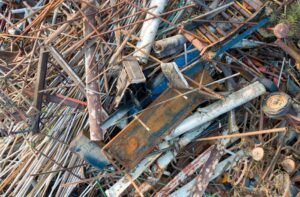
Scrap metal is categorized into distinct grades based on material composition, purity, and usability. The primary classifications are ferrous and non-ferrous metals:
- Ferrous metals (e.g., iron, steel) contain iron and are magnetic. They are commonly sourced from vehicles, construction debris, and industrial machinery.
- Non-ferrous metals (e.g., aluminium, copper, brass) lack iron and are valued for their conductivity and corrosion resistance. These metals are found in electronics, wiring, and HVAC systems.
Accurate identification of scrap grades is critical for pricing and recycling. Tools like scrap trading AI can analyze metal composition, while visual and magnetic tests help distinguish between grades. For example, copper wiring is often insulated, while aluminium is lightweight and non-magnetic.
How Recycling Works: From Collection to Refinement
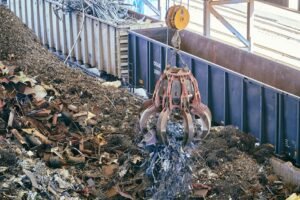
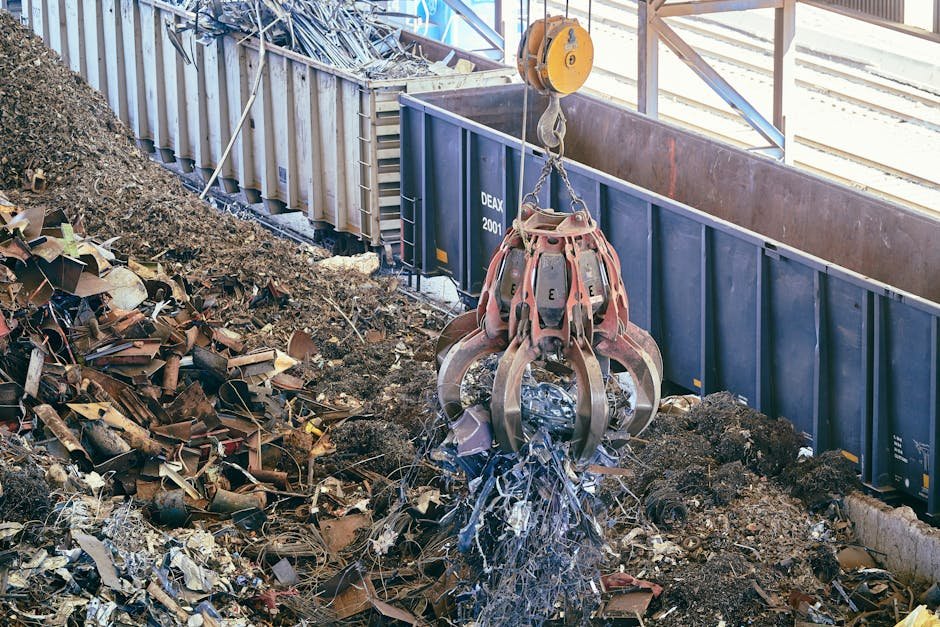
The scrap recycling process involves multiple stages to transform discarded materials into reusable resources:
- Collection: Scrap is gathered from industrial sites, households, and online scrap platforms.
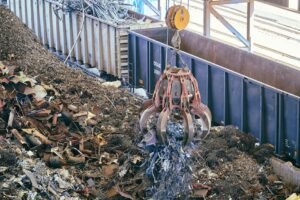
- Sorting: Metals are separated using magnets, eddy current separators, and optical scanners. Contaminants like plastics or glass are removed.
- Processing: Shredding, shearing, or bailing prepares scrap for melting. For instance, B2B scrap trading platforms streamline the sale of processed materials.
- Melting and Refining: Scrap is melted in furnaces and cast into ingots or alloys, ready for manufacturing new products.
This closed-loop system reduces the need for raw material extraction, conserving energy and minimizing waste. In 2023, Australia recycled over 8 million tonnes of metal scrap, contributing to 25% of the nation’s total recycling efforts.
Environmental Benefits of Scrap Trading
Scrap trading significantly mitigates environmental degradation by:
- Reducing Landfill Waste: Recycling 1 tonne of steel saves 1.5 tonnes of iron ore and 0.5 tonnes of coal. In Australia, 90% of ferrous scrap is reused, diverting millions of tonnes from landfills annually.
- Lowering Carbon Emissions: Recycling aluminium uses 95% less energy than producing new aluminium. This equates to a 10-20% reduction in greenhouse gas emissions per tonne processed.
- Conserving Natural Resources: Recycling 1 tonne of copper saves 125 million liters of water and 14,000 kWh of energy—critical for an industry facing resource scarcity.
By participating in scrap trading, businesses also comply with Australian environmental regulations, such as the National Waste Policy Action Plan, which mandates a 60% recycling rate by 2030.
Practical Tips for Successful Scrap Trading
To maximize profitability and sustainability in scrap trading, consider these strategies:
- Assess Grades Accurately: Use tools from scrap trading AI to determine metal purity and market value. For example, high-purity copper fetches 30% more than contaminated stock.
- Optimize Storage and Transportation: Segregate metals to avoid contamination. Partner with B2B scrap trading platforms for real-time pricing and logistics coordination.
- Stay Compliant: Verify licenses and certifications (e.g., ISO 14001) to meet Australian recycling standards. Scrap Trade provides compliance tools for businesses.
For individuals or small businesses, selling scrap via Sell Scrap services ensures competitive rates without the need for storage facilities.
The Role of Technology in Modern Scrap Trading
Technology is revolutionizing the industry through:
- AI and Analytics: Scrap trading AI predicts price fluctuations and automates grade classification, improving margins by up to 15%.
- Online Platforms: Online scrap marketplaces connect buyers and sellers nationwide, reducing transaction times by 50%.
- Blockchain for Traceability: Platforms like Scrap Trade Australia use blockchain to track material origins, enhancing transparency for eco-conscious clients.
Conclusion: Embracing Sustainability Through Scrap Trading
Scrap trading is a cornerstone of Australia’s transition to a sustainable economy. By understanding metal grades, mastering recycling processes, and leveraging innovative tools, stakeholders can drive profitability while reducing environmental impact. Whether you’re a business owner seeking to B2B scrap trading or an individual looking to sell scrap, the opportunities are vast.
To learn more about the industry, explore our Scrap Trade resources or visit Scrap Trade Australia for localized insights. Together, we can build a greener future—one scrap at a time.
Related: What Is Scrap Trade
Related: scrap trading ai
Related: online scrap
Frequently Asked Questions
What are the main grades of scrap metal in Australia?
The primary grades are ferrous (iron/steel) and non-ferrous (aluminium, copper). Ferrous metals are magnetic and used in construction, while non-ferrous metals are non-magnetic and valued for conductivity.
How does the recycling process work for scrap metal?
Recycling involves collection, sorting, processing, and melting. Metals are separated using magnets and sensors, then shredded or baled before being melted into new products.
What environmental benefits does scrap trading offer?
Scrap trading reduces landfill waste, lowers carbon emissions by 30-50%, and conserves raw materials. Recycling aluminium saves 95% of the energy needed to produce new aluminium.
How can businesses start participating in scrap trading?
Begin by identifying local scrap trading platforms, assessing metal grades, and partnering with certified recyclers. Sell scrap services simplify the process for small businesses.