
When searching for scrap yards near me, understanding metal grades, recycling processes, and environmental impacts is crucial for both commercial sellers and individual recyclers. This comprehensive guide explores how your local scrap yard contributes to Australia’s $2.8 billion metal recycling industry while conserving natural resources.
Understanding Scrap Metal Grades: Your Key to Value
Australian scrap yards classify metals into three primary categories, each with distinct characteristics and pricing:
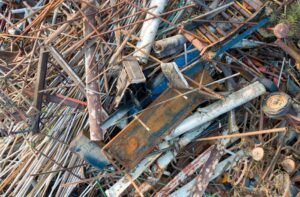
- Ferrous Metals: Iron-based metals (steel, cast iron) comprising 80% of scrap volume. Identified with a magnet test. Common grades include #1 HMS (heavy melting steel >1/4″ thick) and shredded scrap.
- Non-Ferrous Metals: Higher-value non-magnetic metals like copper (bright bare #1 vs. #2 insulated), aluminium (extrusions vs cast), brass (plumbing vs automotive), and stainless steel (304 vs 316 grades).
- Specialty Alloys: Aerospace titanium, lead-acid batteries, catalytic converters containing platinum group metals. Require certified handling and documentation at your Scrap Yards.
Proper sorting before visiting your closest dealer maximizes returns – contaminated loads may be downgraded or rejected. Most recycling depot operations use XRF analyzers for precise grading.
The Scrap Recycling Process: From Waste to Resource
When you sell scrap to a metal recycler, it undergoes four critical stages:
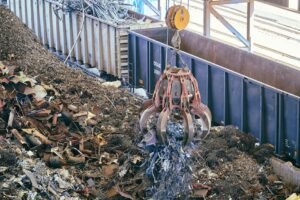
- Collection & Weighing: Walk-in sellers deposit materials on certified platform scales. Industrial collections use specialized transport.
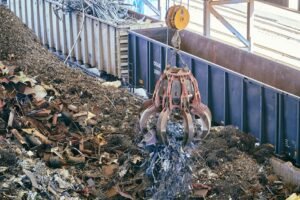
- Sorting & Processing: Magnets separate ferrous metals; eddy currents recover non-ferrous. Shredders reduce size for efficient melting. Advanced yards employ AI-powered optical sorting.
- Melting & Purification:
Scrap is melted in furnaces (electric arc for steel, reverberatory for aluminium). Impurities are removed via slag formation or electrolysis.
- Manufacturing: Recycled metal is cast into ingots, billets or sheets for new products. Australian steel mills use 90% recycled content – your old car becomes reinforcing bar.
Environmental Benefits of Local Scrap Recycling
Choosing nearby recycler facilities creates measurable ecological advantages:
- Energy Savings: Recycling aluminium uses 95% less energy than primary production. Steel recycling cuts energy by 74%.
- Emissions Reduction: Every tonne of recycled steel prevents 1.5 tonnes of CO2. Australia’s recycling sector avoids 40 million tonnes of emissions annually.
- Resource Conservation: Recycling 1 tonne of copper conserves 15 tonnes of ore. Metal recycling preserves finite resources like bauxite and iron ore.
- Landfill Diversion:
Australians discard 500,000 tonnes of metal annually – equivalent to 50,000 garbage trucks. Your local recycling depot redirects this from landfills where metals can leach toxins.
Finding Reputable Scrap Yards Near Me
Locate trustworthy facilities using these strategies:
- Check licenses (state EPA approvals, ISO 14001 environmental certification)
- Compare pricing transparency – reputable yards publish daily rate sheets
- Verify payment methods (avoid cash-only operations for large transactions)
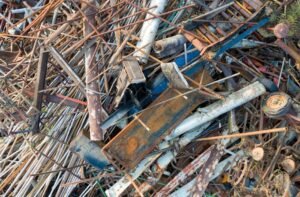
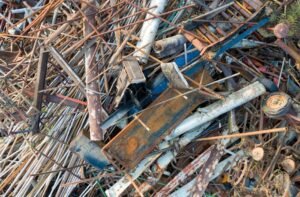
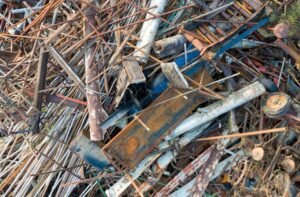
- Assess facility organization – clean, well-sorted piles indicate professional operations
Our platform at Scrap.Trade aggregates real-time pricing from certified ScrapTrade.com.au partners across Australia. Search by postcode for your local scrap yard with verified scales and fair grading practices.
Maximizing Value When Selling to Scrap Yards
Implement these expert techniques before your next walk-in transaction:
- Pre-Sorting: Separate metals by type and grade. Remove contaminants (plastic, rubber, concrete).
- Volume Building: Hold non-ferrous metals until you have bulk quantities – yards pay premiums for 100kg+ lots.
- Preparation: Drain fluids from automotive parts; strip insulation from copper wire. Clean aluminium fetches 20% more than painted.
- Documentation: Bring photo ID for all transactions. Commercial sellers need waste transport certificates.
Many scrap metal yards offer containers for business customers. For irregular sellers, community collection events provide accessible drop-off points in my area.
Industrial vs. Municipal Recycling Streams
Scrap yards near me handle two distinct material flows:
- Commercial/Industrial: Factories supply production scrap (turnings, stampings). Demolition contractors provide structural steel. Requires scheduled weighbridge access and volume pricing.
- Municipal/Retail: Household appliances (“whitegoods”), automotive parts, and consumer electronics from public walk-in traffic. Subject to state container deposit schemes.
Australia’s largest yards process 1,000+ tonnes daily. Smaller regional facilities focus on community access while partnering with larger processors.
Technological Advancements in Scrap Processing
Modern metal recycler operations deploy cutting-edge technologies:
- Automated Sorting: LIBS (Laser-Induced Breakdown Spectroscopy) identifies alloy compositions at 200 items/minute
- Blockchain Tracking: Ensures ethical sourcing and compliance with Modern Slavery Act requirements
- Advanced Shredding: 10,000 horsepower shredders process cars in 45 seconds with dust containment systems
- Water Recycling: Closed-loop systems in processing plants reduce freshwater consumption by 90%
These innovations allow your closest dealer to recover 98% of vehicle materials and achieve near-zero landfill rates for electronics.
Economic Impact of Australia’s Scrap Industry
The metal recycling sector contributes significantly to national prosperity:
- Direct employment of 50,000+ Australians in collection, processing and logistics
- Export earnings exceeding $4 billion annually – our 3rd largest export to Southeast Asia
- Cost savings for manufacturers using recycled feedstock instead of imported ore
By supporting Local Scrap Yards In 2026, you participate in a circular economy that generates 9.2 jobs per 10,000 tonnes recycled versus 2.8 jobs in landfill operations.
Future Outlook: Scrap Yards in the Green Economy
The Australian recycling industry faces transformative opportunities:
- Renewable energy infrastructure (wind turbines, solar panels) will yield new scrap streams requiring specialized recycling
- Carbon pricing mechanisms may value CO2 reductions from metal recycling at $50/tonne by 2030
- Urban mining of electronic waste could supply 30% of Australia’s critical minerals demand
Understanding What Is Scrap Trade becomes increasingly vital as circular business models evolve.
Conclusion: Your Role in the Metal Lifecycle
Finding responsible scrap yards near me connects individual action to global sustainability. Each tonne recycled preserves 1.5 tonnes of ore, saves enough energy to power a home for 6 months, and prevents 300kg of greenhouse gases. Whether you’re a contractor managing demolition waste or a homeowner clearing the garage, your choice of nearby recycler directly impacts Australia’s environmental footprint. Verify certifications, prepare materials properly, and leverage online resources like our national yard directory to ensure your scrap supports ethical, efficient recycling.
Related: scrap metal yards
Frequently Asked Questions
What documents do I need to sell scrap at yards near me?
You’ll need government-issued photo ID (driver’s license or passport) for all transactions. Commercial sellers require a Waste Transport Certificate and potentially EPA approvals for industrial quantities. Most yards record transactions electronically under state recycling regulations.
How often do scrap metal prices change at local yards?
Non-ferrous metal prices (copper, aluminium) typically update daily based on LME (London Metal Exchange) markets. Ferrous steel prices change weekly based on domestic demand. Major price shifts occur during quarterly commodity cycles – check your local scrap yard’s website or bulk SMS alerts for real-time updates.
Do scrap yards near me pay cash immediately?
Most Australian yards offer immediate cash payments for small loads under $50. For larger amounts ($50-$1,000), electronic funds transfer (EFT) is standard with same-day processing. Transactions exceeding $1,000 require bank transfer with 24-hour clearance due to AUSTRAC anti-money laundering regulations.
Can I recycle metal items with non-metal components?
Yes, but preparation affects value. Remove plastic casing from electronics, drain oil from engines, and separate copper from steel in appliances. Most yards accept complex items like cars and whitegoods but pay less for contaminated loads. Specialist processors handle items like insulated wiring – call your local scrap yard first for specific requirements.