
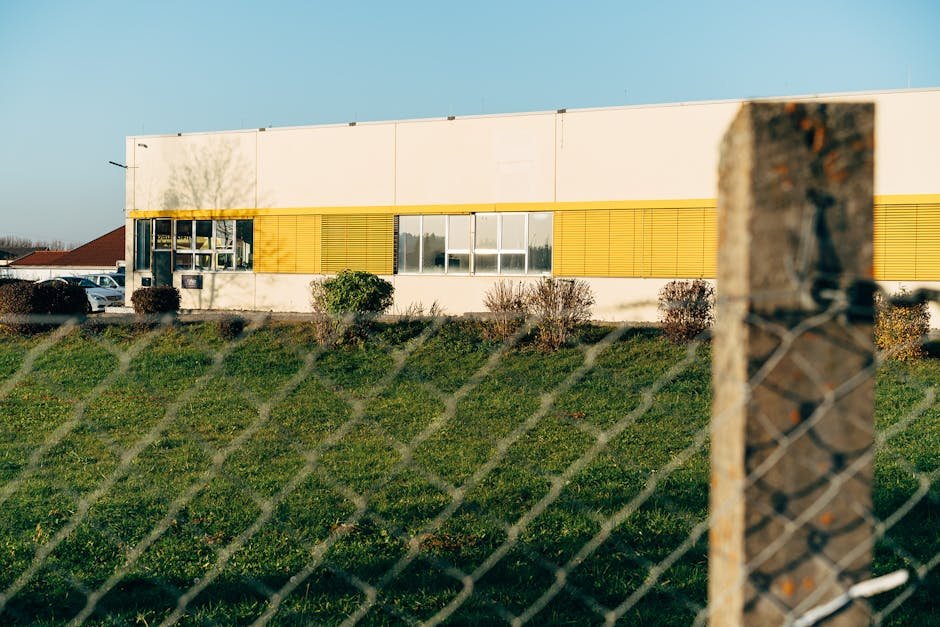

When you decide to sell closed factory assets, time is money. Industrial facilities are goldmines of high-value metals, ranging from structural steel and copper busbars to complex machinery and high-grade alloys. However, extracting the maximum value requires a strategic approach rather than a simple disposal mindset. If you are ready to Sell Scrap, you must treat your facility clearance as a high-stakes liquidation project to ensure you get the best price for every tonne of material.
Successfully navigating the process to sell closed factory inventory involves understanding market fluctuations, logistics, and the specific requirements of professional scrap dealers. Whether you are dealing with decommissioned production lines, electrical infrastructure, or building skeletons, knowing where to sell is the difference between a break-even clearance and a significant revenue stream. For those searching for Sell Scrap Metal Near Me In 2026, the market is shifting toward more transparent, data-driven recycling platforms that prioritize speed and fair pricing.
Maximizing Your Returns: The Industrial Advantage
To secure the best price, you must move beyond the local scrap yard and engage with Industrial Scrap Buyers in Australia: A Comprehensive Guide. Industrial buyers have the heavy-duty equipment—such as shears, mobile cranes, and specialized transport—to handle large-scale demolition and site clearance. When you sell closed factory equipment, you are often dealing with mixed materials. Sorting your scrap into distinct grades is the most effective way to boost your bottom line. Copper, aluminium, and stainless steel command significantly higher prices than mixed ferrous scrap.
Before you engage a professional metal recycling partner, perform a site audit. Identify high-value components such as electric motors, transformers, and heavy-gauge cabling. If you are unsure about the value of your electrical components, check our guide on where to sell wire to ensure you aren’t leaving money on the table. Furthermore, if the factory floor includes specialized automotive or heavy vehicle components, you might also be able to Sell My Catalytic Converter separately for a premium, as these contain precious metals like platinum and rhodium.
Logistics, Documentation, and Compliance
Selling industrial-scale scrap is not just about the weight; it is about the paperwork. To ensure you get paid promptly and legally, you must provide accurate documentation. This includes proof of ownership, environmental compliance certificates, and potentially a site safety plan if the buyer is performing the extraction. Reputable buyers will require these documents to ensure the scrap has been sourced legally and processed in accordance with Australian environmental standards.
When researching where to sell scrap metal, verify that the buyer offers transparent weighing processes. You want to see the load weighed on calibrated, government-certified scales. If a buyer is hesitant to allow you to witness the weighing or provide a detailed receipt, move on. You deserve a clear breakdown of the material types and the associated market rates. Utilizing a trusted resource like Scrap Trade Australia ensures you are connected with verified, high-volume buyers who understand the complexities of factory decommissioning.
Strategic Steps to Liquidate Your Facility
To ensure a smooth transaction, follow this structured approach to maximize your cash for scrap:
- Inventory Assessment: Categorize all metals. Separate non-ferrous (copper, brass, aluminium) from ferrous (steel, iron) to avoid being paid the lower ferrous rate for high-value items.
- Site Access Planning: Ensure your facility has sufficient clearance for semi-trailers, excavators, and skip trucks. Better access reduces labor costs for the buyer, which translates to a higher price for you.
- Safety First: Ensure all hazardous materials (oils, coolants, asbestos, or lead-based paints) are identified and remediated. Buyers will deduct significant fees for contaminated loads.
- Negotiate Terms: For large-scale factory clearances, don’t just accept the spot price. Negotiate based on volume, the ease of access, and the timeline for removal.
By treating your factory clearance as a professional procurement process, you convert a liability into a significant capital recovery opportunity. The market for industrial scrap in Australia is robust, and by aligning with the right partners, you can ensure that you not only get paid quickly but also receive the true market value for your assets. Start your audit today, contact a verified industrial buyer, and transform your idle equipment into liquid capital.
Frequently Asked Questions
What is the most important factor when selling factory scrap?
Sorting your materials by grade is the most important factor. Segregating high-value non-ferrous metals like copper and aluminium from bulk steel will significantly increase your overall payout.
Do I need special documentation to sell factory scrap?
Yes, you typically need proof of ownership, site access permits, and potentially environmental clearance documentation. Always ensure your buyer provides a certified weighbridge ticket for every load.
How do I get the best price for heavy machinery?
Contact industrial-specific scrap buyers who have the equipment to dismantle and transport heavy machinery. Negotiating based on the volume and ease of access will yield a better price than selling to small-scale local yards.
How long does it take to get paid?
Professional scrap buyers typically provide payment upon verification of the weight and grade of the material. Depending on the scale of the factory clearance, payment can be issued via bank transfer immediately following the final weigh-in.