
The future of scrap metal recycling is poised to redefine sustainability in Australia and globally. As industries and consumers prioritise eco-friendly practices, the sector is evolving through innovation, technology, and policy reforms. This guide explores the future of scrap metal recycling, from understanding metal grades and recycling processes to uncovering the environmental benefits of reusing materials. Whether you’re a business, trader, or individual, this comprehensive overview will equip you with actionable insights into the industry’s trajectory.
Understanding Grades of Scrap Metal
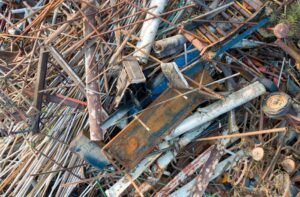
Scrap metal is categorised into grades based on composition, purity, and use. The two primary categories are ferrous and non-ferrous metals, each with distinct characteristics and recycling methods:
- Ferrous Metals: Contain iron and are magnetic. Common types include steel, iron, and alloys. These metals are widely used in construction and manufacturing.
- Non-Ferrous Metals: Lack iron and are non-magnetic. Examples include copper, aluminium, brass, and zinc. These metals are prized for their conductivity and corrosion resistance.
Grades also depend on the metal’s application. For instance, scrap steel is classified further into categories like structural steel, sheet metal, and heavy melting steel. Copper is divided into types such as OFHC (Oxygen-Free High Conductivity) for electrical wiring or scrap copper wire. Accurate grading ensures efficient recycling and maximises the value of recovered materials.
Tip: When selling scrap metal, always sort materials by grade to receive better prices. Visit Scrap Metal Recycling Near Me to find certified recyclers who prioritise accurate grading.
How Scrap Metal Recycling Works
Recycling scrap metal involves a systematic process designed to recover, refine, and repurpose materials. The steps include:
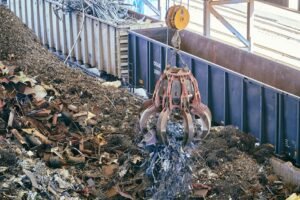
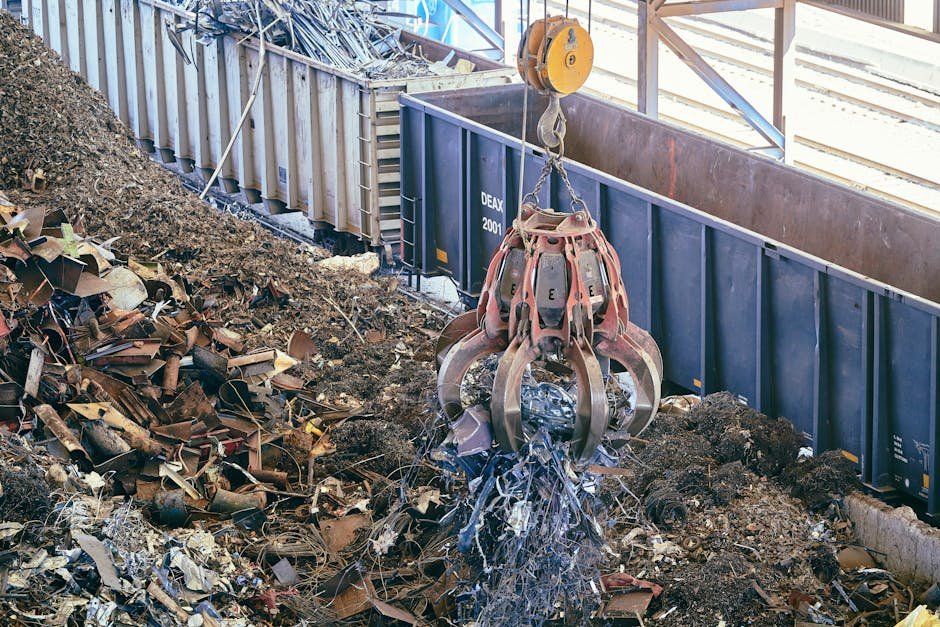
- Collection: Scrap is gathered from industrial sites, households, or demolition projects. Specialised vehicles transport it to processing facilities.
- Sorting: Ferrous and non-ferrous metals are separated using magnets, X-ray fluorescence (XRF), or spectroscopy. Contaminants like plastics or glass are removed.
- Processing: Metals are shredded, compacted, or melted down. For example, aluminium recycling requires melting at 660°C to reduce energy consumption by 95% compared to producing new aluminium.
- Reprocessing: Recycled metals are refined into raw materials for manufacturing new products, such as car parts, construction beams, or electrical components.
This closed-loop system minimises waste and conserves natural resources. For instance, recycling one ton of steel saves 2,500 pounds of iron ore and 1,400 pounds of coal. Advanced technologies, such as AI-driven sorting, are accelerating efficiency and reducing human error in the process.
Environmental Benefits of Scrap Metal Recycling
The environmental impact of scrap metal recycling is profound. Here are key advantages driving its adoption:
- Energy Savings: Recycling metals typically uses 50-70% less energy than extracting and refining new materials. Copper recycling, for example, reduces energy consumption by 85%.
- Reduced Mining: Recycling decreases the demand for raw ore extraction, preserving ecosystems and reducing habitat destruction.
- Lower Emissions: Manufacturing from recycled metals emits up to 90% fewer greenhouse gases than virgin production. This aligns with Australia’s net-zero goals by 2050.
- Waste Reduction: Metal waste in landfills contributes to soil and water contamination. Recycling diverts millions of tons of scrap from dumping sites annually.
According to ScrapTrade, Australia’s metal recycling rate reached 73% in 2022, with steel and aluminium leading the way. These metrics highlight the industry’s role in advancing a circular economy.
Future Trends Shaping the Scrap Metal Recycling Industry
The future of scrap metal recycling will be driven by technological innovation and regulatory changes. Key trends include:
- AI and Automation: Machine learning algorithms will optimise sorting accuracy and predict market demand for scrap grades. For example, AI-powered robots can identify and separate rare earth metals from e-waste.
- E-Waste Recycling: With 50 million smartphones discarded globally each year, recovering metals from electronics (e.g., gold, silver) will become critical. Scrap Metal Recycling Solutions highlights emerging tech for this niche.
- Blockchain for Transparency: Blockchain will track the origin and recycling journey of metals, ensuring ethical sourcing and compliance with ESG (Environmental, Social, Governance) standards.
- Government Incentives: Policies such as Australia’s National Waste Policy Action Plan will mandate higher recycling rates and fund R&D for cleaner technologies.
Businesses adopting these innovations will gain a competitive edge. For instance, PT Recycling (Acacia Scrap Metal) is pioneering modular recycling facilities that adapt to local scrap demands.
Scrap Trading vs. Recycling Business Models
Understanding the distinction between scrap trading and recycling is essential for entrepreneurs. A scrap trading business focuses on buying and reselling raw scrap materials, while a recycling business processes and repurposes metals into reusable forms. Both models offer opportunities but require different investments:
- Scrap Trading: Lower capital requirements. Traders act as intermediaries between generators and recyclers, earning profits from price fluctuations. Visit Scrap Trading Vs Recycling Business for a detailed comparison.
- Recycling Business: Higher initial costs for processing equipment but greater long-term value. Recyclers benefit from stable demand and government grants for sustainable practices.
Hybrid models are also emerging, where trading companies partner with recyclers to streamline supply chains. This collaboration reduces logistics costs and ensures a steady supply of sorted materials.
Practical Tips for Selling Scrap Metal in 2026
If you’re considering selling scrap metal in Australia, follow these best practices to maximise profits and comply with regulations:
- Stay Informed: Monitor global metal prices and local regulations. For instance, the Sell Scrap Metal Near Me In 2026 guide provides real-time market insights.
- Sort and Grade:. Properly categorise metals by type and purity. Contaminated materials fetch lower prices.
- Use Reputable Recyclers: Verify certifications (e.g., RIOS for responsible recycling) to avoid illegal dumping or unethical practices.
- Optimise Logistics: Partner with recyclers offering pick-up services or bulk discounts. Consolidate shipments to reduce costs.
For individuals or small businesses, selling scrap can generate supplementary income. Industrial clients, meanwhile, can offset production costs by selling waste metal. Always document transactions to claim tax deductions where applicable.
Challenges and Opportunities in the Scrap Metal Sector
While the industry is growing, challenges persist. Supply chain bottlenecks, fluctuating metal prices, and contamination risks can hinder profitability. However, these obstacles also present opportunities:
- Invest in Technology: Adopt automated sorting systems or invest in startups developing AI-driven recycling solutions.
- Focus on Niche Markets: Explore high-value scrap like rare earth metals or aerospace-grade aluminium, which have stable demand.
- Collaborate with Governments: Apply for grants supporting green innovation. Australia’s Clean Energy Finance Corporation (CEFC) funds projects that reduce industrial emissions.
By addressing these challenges proactively, stakeholders can position themselves as leaders in the future of scrap metal recycling.
Conclusion: Embracing the Future of Scrap Metal Recycling
The future of scrap metal recycling is a cornerstone of Australia’s transition to a sustainable, circular economy. By leveraging advanced technologies, adhering to environmental standards, and supporting ethical business practices, the industry can reduce its ecological footprint while generating economic value. Whether you’re a trader, recycler, or consumer, your role in this ecosystem matters. Start by exploring local recycling options, investing in eco-friendly practices, and advocating for policy reforms. Together, we can forge a cleaner, greener future—one scrap at a time.
Frequently Asked Questions
What are the most valuable scrap metal grades?
Non-ferrous metals like copper, aluminium, and brass are typically the most valuable due to their conductivity and widespread use in electronics and construction.
How does recycling scrap metal benefit the environment?
Recycling reduces energy consumption, minimises mining, and lowers greenhouse gas emissions. It also conserves finite resources by reusing existing materials.
What steps should I take to start selling scrap metal?
Begin by sorting your scrap into grades, researching local recyclers, and using platforms like Scrap Metal Recycling Near Me to find certified buyers.
How is technology transforming scrap metal recycling?
AI and automation are improving sorting accuracy, while blockchain enhances transparency. These innovations increase efficiency and reduce human error in recycling processes.